Can Anal Fissures or Hemorrhoids cause Cancer?

Anal Fissures or Hemorrhoids, two similar conditions (the latter is also known as piles), are a common problem, that can cause extreme pain, discomfort or even bleeding in the lining of the anus. It can occur in both men and women, and can be chronic, meaning that it can last a lifetime. However, it can be kept under control with proper care, medications and avoiding triggers.
Is there a cancer link?
On the other hand, many people worry about whether common anal problems like anal fissures or hemorrhoids can lead to cancer. Let’s dig deeper...
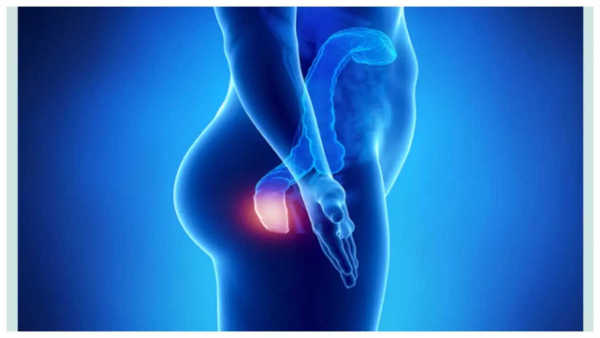
What are Anal Fissures and Hemorrhoids?
Anal fissures are small tears in the lining of the anus. They usually occur because of constipation, hard stools, or straining during bowel movements. They cause pain and sometimes bleeding.
On the other hand, Hemorrhoids are swollen veins inside or around the anus. They can cause itching, pain, and bleeding. Hemorrhoids too, can be linked to constipation, pregnancy, or sitting for long periods.
The good news is that both conditions are usually benign (cancerous) and treatable.
Do Anal Fissures or Hemorrhoids Cause Cancer?
No, neither anal fissures nor hemorrhoids can directly cause cancer.
What do studies say?
Studies show that hemorrhoids do not increase the risk of anal cancer or colorectal cancer. While hemorrhoids and anal cancer is extremely uncomfortable causing bleeding or pain, hemorrhoids themselves are not a warning sign of cancer.
Similarly, anal fissures also do not cause colon or anal cancer. They are common, and usually heal with proper care and medicines.
Establishing the link (if there is one)
While hemorrhoids themselves are not linked to cancer, there is some ongoing research suggesting that chronic inflammation or repeated irritation in the anal area, might slightly increase the risk of certain cancers. For example:
Some studies found that people with benign inflammatory anal lesions (which include fissures, fistulas, and abscesses) might have a long-term risk of developing anal or anorectal cancer.

The theory is based on the fact that constant irritation and inflammation, (lasting years) can sometimes lead to abnormal cell changes over many years.
However, the evidence is sketchy, and no direct link has been yet established.
How to know if your symptoms are serious
Even though anal fissures do not cause cancer, you should consult a doc if you spot the following:
Persistent or heavy bleeding
A lump that doesn’t go away
Pain that worsens over time
Changes in bowel habits or stool shape
Sudden weight loss or fatigue
Here's what to do to avoid anal fissures
Eat a high-fiber diet to avoid constipation
Drink plenty of water
Avoid straining during bowel movements
Don't hold nature's call
Maintain good hygiene in your private area
Is there a cancer link?
On the other hand, many people worry about whether common anal problems like anal fissures or hemorrhoids can lead to cancer. Let’s dig deeper...
What are Anal Fissures and Hemorrhoids?
Anal fissures are small tears in the lining of the anus. They usually occur because of constipation, hard stools, or straining during bowel movements. They cause pain and sometimes bleeding.
On the other hand, Hemorrhoids are swollen veins inside or around the anus. They can cause itching, pain, and bleeding. Hemorrhoids too, can be linked to constipation, pregnancy, or sitting for long periods.
The good news is that both conditions are usually benign (cancerous) and treatable.
Do Anal Fissures or Hemorrhoids Cause Cancer?
No, neither anal fissures nor hemorrhoids can directly cause cancer.
What do studies say?
Studies show that hemorrhoids do not increase the risk of anal cancer or colorectal cancer. While hemorrhoids and anal cancer is extremely uncomfortable causing bleeding or pain, hemorrhoids themselves are not a warning sign of cancer.
Similarly, anal fissures also do not cause colon or anal cancer. They are common, and usually heal with proper care and medicines.
Establishing the link (if there is one)
While hemorrhoids themselves are not linked to cancer, there is some ongoing research suggesting that chronic inflammation or repeated irritation in the anal area, might slightly increase the risk of certain cancers. For example:
Some studies found that people with benign inflammatory anal lesions (which include fissures, fistulas, and abscesses) might have a long-term risk of developing anal or anorectal cancer.
The theory is based on the fact that constant irritation and inflammation, (lasting years) can sometimes lead to abnormal cell changes over many years.
However, the evidence is sketchy, and no direct link has been yet established.
How to know if your symptoms are serious
Even though anal fissures do not cause cancer, you should consult a doc if you spot the following:
Persistent or heavy bleeding
A lump that doesn’t go away
Pain that worsens over time
Changes in bowel habits or stool shape
Sudden weight loss or fatigue
Here's what to do to avoid anal fissures
Eat a high-fiber diet to avoid constipation
Drink plenty of water
Avoid straining during bowel movements
Don't hold nature's call
Maintain good hygiene in your private area
Read more