 Significance of Menstrual Hygiene Day
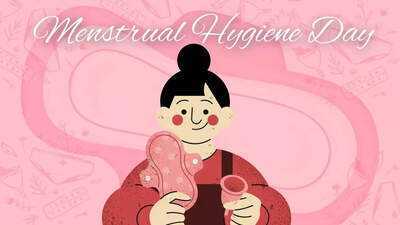
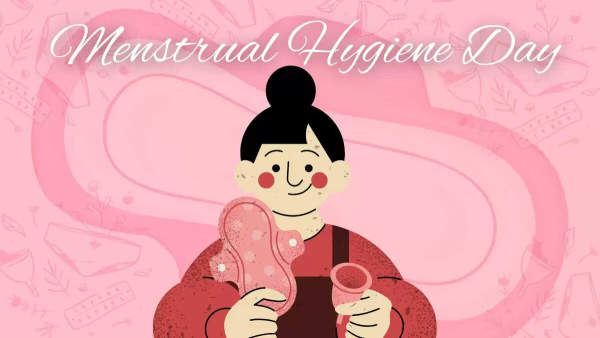
Every year on May 28, Menstrual Hygiene Day is commemorated globally, emphasizing the significance of menstrual hygiene and challenging the stigma surrounding menstruation. This initiative aims to promote awareness about menstrual health, highlighting its connection to human rights, dignity, and public health. In 2023, a key focus is on educating individuals and transforming discussions around menstrual health as part of sustainable development goals.
Empowering women and ensuring their health and well-being hinges on understanding the vital role of proper menstrual hygiene in their lives.
This Year's Theme: A Call for Unity
The theme for this year's Menstrual Hygiene Day is "Together for a #PeriodFriendlyWorld." This initiative encourages collective action to ensure that menstruation does not hinder access to health, education, and opportunities. It aims to dismantle the stigma and taboos associated with menstruation, fostering an environment where periods are normalized, allowing women to manage their menstrual cycles with dignity and respect.
Origins and Global Impact
Initiated by the German NGO WASH United in 2013, Menstrual Hygiene Day was first celebrated in 2014. The movement primarily targets developing nations, where societal anxieties surrounding menstruation persist, compounded by the cost and availability of menstrual products.
A pressing question arises: why is it crucial to discuss menstruation? In India, for instance, one in five women is constrained by societal norms and often misinformed about menstruation, leading to a culture where discussing periods is considered shameful. This results in fear, taboos, and unnecessary panic surrounding a natural biological process.
The Global Challenge of Menstrual Hygiene
Reports indicate that over 300 million women globally are menstruating on any given day. However, an estimated 500 million women lack adequate access to menstrual products and hygiene facilities. The WHO/UNICEF Joint Monitoring Programme defines menstrual hygiene management as the use of clean materials for menstrual management, the ability to change them in privacy, and access to safe disposal facilities, along with understanding the menstrual cycle.
The obstacles women face during menstruation extend beyond the unavailability of basic products. Society must recognize that menstruation is a natural process and does not render women untouchable or impure. Cultural taboos contribute to shaming, isolation, gender discrimination, and unhygienic practices.
A Collective Effort for Change
Together, we can foster a world where every woman feels safe, healthy, and empowered to discuss menstruation openly.