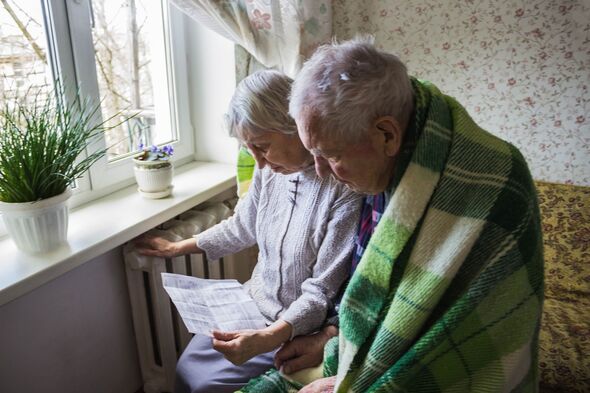
Pensioners have been offered savvy advice to maximise their chances of receiving Winter Fuel Payments by adjusting their yearly earnings. Under the new regulations introduced by Rachel Reeves, those with an will still get the payment, but it will be recouped through HMRC based on taxable income. Alice Haine from Bestinvest has described the new £35,000 limit as "is effectively another tax cliff-edge".
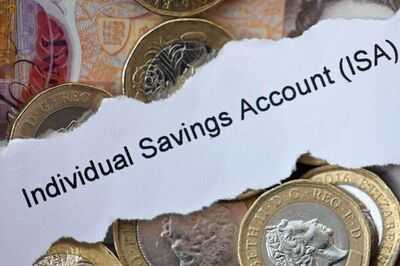
She told : "Paying attention to what constitutes as income may become very important for those whose incomes hover around the £35,000 mark, as a minor adjustment could be the difference between receiving the payment or handing it back through tax." She recommended that pensioners should consider , which are tax-exempt and can be advantageous in various situations.
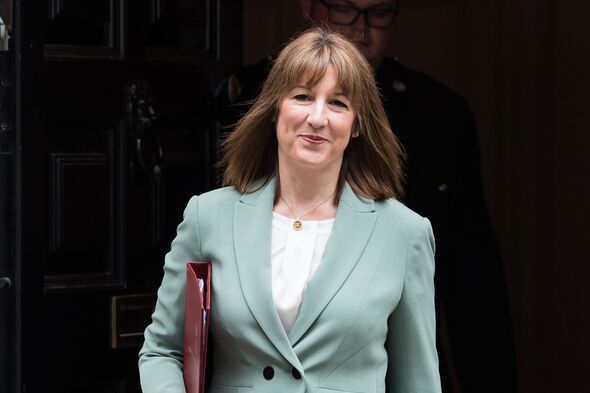
Ms Haine explained: "With savings interest, even if it falls within your personal savings allowance, it's considered taxable income, so the chunk you don't pay tax on will count towards the £35,000."
For example, if a retiree earns £2,000 annually from savings interest, this amount would contribute to their total income for determining .
She added: "But if you move that money into a cash Isa, all the interest is tax-free, which takes it out of the calculation."
The same principle applies to taxable income from investments; shifting these into a stocks and shares ISA could lower your taxable income and potentially keep you below the threshold.
The annual allowance determining eligibility for winter fuel assistance is comprised of income from the state pension, private pensions, interest earned on savings, and dividend payments.
If the collective income of a household's occupants surpasses £35,000 each, they are required to repay the full amount of Winter Fuel Payment through a tax return or PAYE.
In cases where one occupant's income exceeds the threshold and the other's does not, only half of the payment must be returned.
However, households with both pensioners earning below the threshold can retain the full payment. Roughly 75% of pensioners in England and Wales - approximately nine million people - .
According to the Chancellor, reinstating Winter Fuel Payments for the majority of elderly individuals means that "no pensioner on a lower income will miss out".