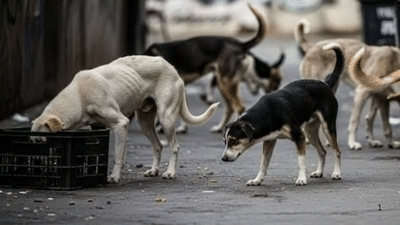
In response to rising concerns over stray dog-related incidents, including bites and rabies, the Supreme Court of India has ordered the removal of all stray dogs from public spaces within eight weeks. While this directive aims to enhance public safety, animal welfare organizations like PETA India argue that sustainable solutions require addressing root causes rather than just removing strays.
Several countries have effectively dealt with stray dog populations through various humane and scientific approaches. Here’s how they managed to control or almost eliminate stray dogs:
Bhutan
Bhutan undertook a comprehensive program called the Nationwide Accelerated Dog Population Management and Rabies Control Program starting in 2021. With a phased approach lasting about 14 years, the country sterilized and vaccinated stray dogs to control their population and reduce rabies. By 2023, Bhutan achieved sterilization of 100% of its stray dogs, having sterilized over 150,000 dogs with a budget around ₹29 crore.
Morocco
Netherlands
Once having a large stray dog population in the 19th and early 20th centuries, the Netherlands eliminated stray dogs through a combination of measures. Initial efforts included leash laws and dog taxes, but abandonment increased. Subsequently, the government legalized penalties against animal abuse, introduced heavy taxes on store-bought dogs, implemented a Catch-Neuter-Vaccinate-Release (CNVR) program, and established a pet police force to rescue animals and prosecute abusers. Today, the Netherlands boasts no stray dogs.
Japan
Japan enforces strict animal welfare laws. Stray dogs are caught, quarantined, and encouraged for adoption. Veterinarians run low-cost sterilization programs to control the population. While euthanasia is legally permitted only for sick or dangerous dogs, it is controversial due to methods like gas chambers used in some areas, criticized for causing prolonged suffering.
South Korea
Facing increasing abandoned pets, South Korea launched a Trap-Neuter-Return (TNR) program primarily for stray cats but also applicable to dogs. Animals are sterilized and returned to their original locations to manage population growth humanely.