Chia Seeds or Psyllium Husk: Which Superfood Has More Fibre and Digestive Benefits?
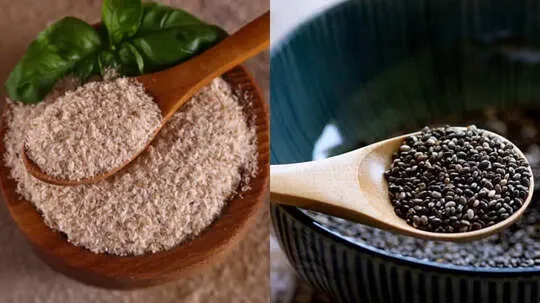
Want to boost fibre in your diet? There are two popular options you can choose from - psyllium husk and chia seeds. While both are plant-based and loaded with fibre and many other nutrients, they support digestion differently.
According to experts, while chia seeds have more than twice the calories per serving, they are also a powerhouse of protein, healthy fats, and fibre. On the other hand, psyllium is all about fibre - but there is nothing else on the nutrition front.
How to compare fibre in both?
Both chia seeds and psyllium husk have around three to four grams of fibre per serving. However, there is a lot of difference in the type of fibre they have.
Nutritionists say psyllium husk is almost pure fibre - most of which is soluble - which absorbs water and forms a gel in your gut - thereby helping to soften stools, prevent constipation, and keep you free from indigestion. According to studies, fibre also plays a key role in preventing high cholesterol and regulating blood sugar levels as well.
On the other hand, chia seeds are a mix of both soluble and insoluble fibre and have the same gel-like consistency when soaked. Insoluble fibre adds bulk to stools - thereby regulating your bowel movements. But chia seeds are also rich in protein and other nutrients. Doctors say they recommend psyllium husk when it comes to just adding fibre and promoting a healthy gut. However, chia seeds should be your go-to if you are looking for balanced nutrition.
Which is better for digestive and gut health?
Experts say both psyllium and chia support and strengthen your digestion, but in different ways. While psyllium husk is mostly added as a fibre supplement in your diet to take care of painful and discomforting issues like constipation and diarrhoea, it is also mostly tolerated by most people, even those who have a sensitive digestive issue, also taking care of gas and bloating problems. However, with chia seeds, the mix of fibres bulks and softens stools while also giving you the benefits of prebiotics, which feed the beneficial bacteria in your gut.
However, many times, chia seeds can cause bloating and stomach aches if you have too much - or can also be a health hazard if you take them without soaking in water, as they have a tendency to stick to your throat.
Read more