
Celebrity skincare regimes can sometimes sound overpriced and, quite frankly, unnecessary, but every so often a trend lands that is rooted in interesting science. Case in point, the recent buzz around salmon DNA-based treatments. When Hailey Bieber casually mentioned a 'salmon sperm glow' in an interview with The Cut earlier this year, she was referring to microneedling paired with PDRN – short for polydeoxyribonucleotide – a skin-repairing compound derived from salmon DNA.
While her version was a facial, it got me curious about the injectable form: polynucleotide boosters. These are designed to improve skin quality, not by adding volume like fillers, but by stimulating your own collagen, elastin and hydration levels. They do this thanks to the highly purified DNA fragments (often derived from salmon or trout sperm) that act like a 'reset button' for the skin. The DNA is cleaned and processed so that only the active chains, not proteins or allergens, remain.
Unlike the instantly plumped look of hyaluronic acid, polynucleotides work to improve skin texture and bounce from below the surface. They encourage the skin to regenerate itself, calm inflammation and strengthen the structure over time, which makes them especially appealing for areas where the skin is thin or easily overfilled, like under the eyes. Think less 'filler face' and more subtle refresh.
After months of reading about the technology and seeing it all over TikTok, I decided to book a few sessions in with Dr. Ash Soni at his The Soni Clinic in London to see what all the fuss is about.
Zoe’s polynucleotide results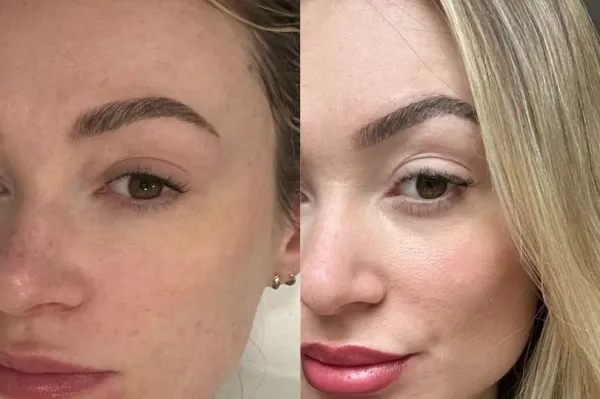
READ MORE: Save £173 on ‘glass skin’ set that includes brands like Elemis and Caudalie
At Dr Soni’s clinic, my Plinest Eye treatment, which specifically targets eyebags, wrinkles and dark circles, was straightforward but precise. A single injection was used under each eye via a cannula to deliver the polynucleotides just beneath the skin. The aim? To improve texture, hydration and elasticity, without changing my natural contours. It isn’t painful, but you do feel a little pressure and see some redness around the area immediately after.
Because Dr Soni uses a cannula rather than the other popular method of delivering the product with the help of multiple tiny injections in a row, I could walk out of the clinic without needing to hide my face for a few hours until the product dispersed. Within a week, the skin under my eyes looked softer and healthier, and my under-eye concealer applied more smoothly.
After a month, the crepey lines were less noticeable, and there was a general brightness that hadn’t been there before. The best part is that results continue to develop over several weeks as the skin responds to the treatment. I went back for two more treatments spaced 2-3 weeks apart, since three is the recommended number of sessions to see the best visible results, and I'm delighted with my results. I haven't even reached for my concealer since having my final session – my undereyes look like they did when I was in my mid twenties (for context, I'm now 33).
Polynucleotide injections aren’t an instant fix, but if your main aim is to stay looking young for as long as possible, they're something you will probably benefit from investing in. It's also a great treatment for anyone worried about turning to filler and looking overly 'done'.
Personally, it's a treatment I'm going to keep up with as I age. I'm told I'll need to head back for a top-up every 9-or-so months to keep up the results. And though it's not a cheap fix, not when you compare it to the cost of an eye cream, but it's one that works. And I'd much rather pay for good results than chance it with a hit-or-miss skin cream.
Prices for Plinest Eye at The Soni Clinic in London, Berkshire and Ascot start from £500 per session.