Stop snakes from entering your garden: Avoid these plants and trees
Snakes are fascinating yet potentially alarming visitors to residential gardens. Many homeowners may not realise that certain trees, shrubs, and plants can unintentionally attract snakes by offering shade, dense cover, or a steady supply of prey such as rodents, birds, and amphibians. Plants with thick foliage, low-hanging branches, or ground cover can create ideal hiding spots, while fruiting trees and water features may draw small animals that snakes feed on. By identifying vegetation that encourages snake activity and maintaining a tidy, well-managed garden, you can reduce the likelihood of encounters while still enjoying a safe and attractive outdoor space.
How plants and trees attract snakes
Snakes are naturally drawn to areas that provide safety, warmth, and hunting opportunities. Dense foliage, tall grasses, and certain fruiting trees offer ideal hiding spots for snakes to rest during the day. Additionally, plants that attract rodents, frogs, or birds can indirectly increase snake activity, as these creatures are primary sources of food for many species. A combination of ground cover, shade, and prey availability creates a microhabitat that snakes find appealing, making some gardens more prone to snake visits than others.
Common trees and plants that may attract snakes to your home
Mango trees
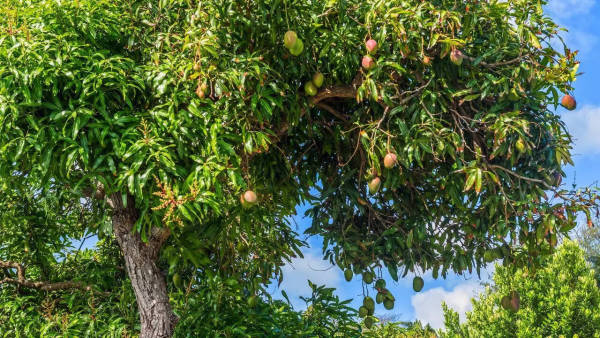
Mango trees provide dense shade and produce fruit that attracts birds, bats, and small mammals, which can in turn lure snakes. Fallen fruit on the ground also attracts rodents, creating a convenient hunting ground. Regularly cleaning up fallen fruit and pruning low-hanging branches can reduce the likelihood of snake activity.
Coconut trees
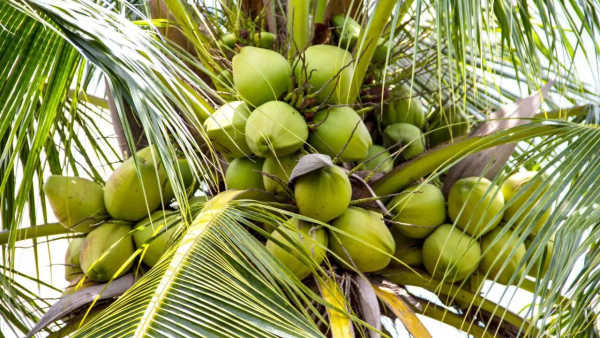
Coconut palms with thick undergrowth at their base offer snakes a safe shelter from predators and extreme weather. The coconuts themselves attract rodents and other small animals, making these trees potential snake hotspots. Maintaining a clear area around the base can discourage snakes from settling.
Banana trees
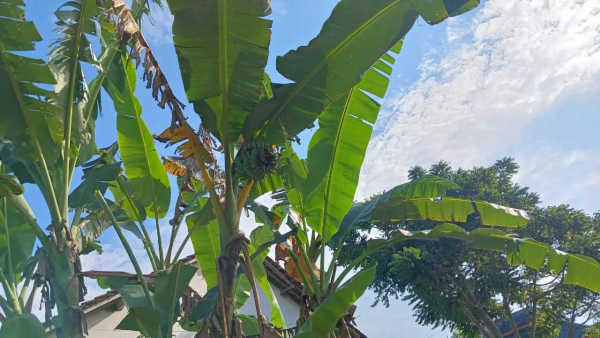
Banana trees have broad leaves and dense clusters that provide shaded, humid hiding spots ideal for snakes. Their fruit attracts small mammals, indirectly increasing snake presence. Planting banana trees away from the house or trimming the lower leaves can help minimise risk.
Guava trees
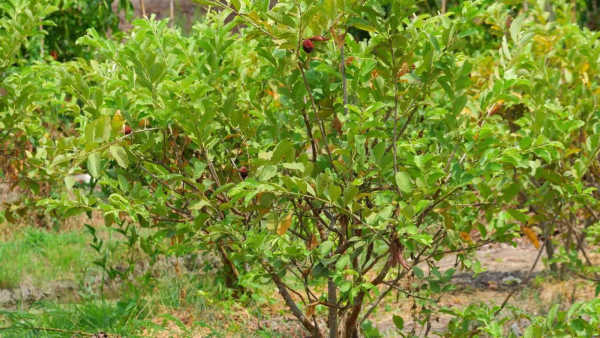
Guava trees with low-hanging branches and thick foliage offer excellent cover for snakes. Fallen guavas attract rodents, which snakes hunt. Regular pruning and removal of fallen fruit can make the area less inviting.
Bamboo clumps
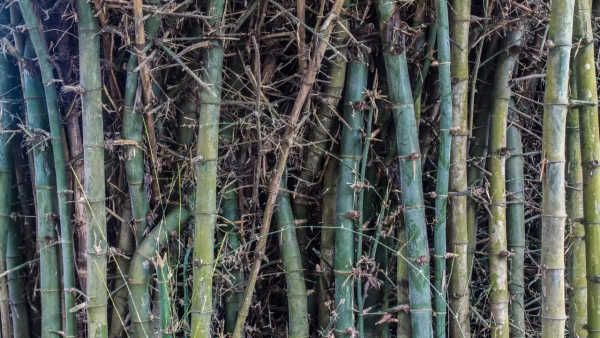
Dense bamboo provides shelter for snakes to hide during the day. The shaded and moist ground beneath bamboo is appealing to reptiles seeking a safe resting place. Controlling the spread of bamboo and thinning out clumps can reduce snake habitats.
Long-grass plants
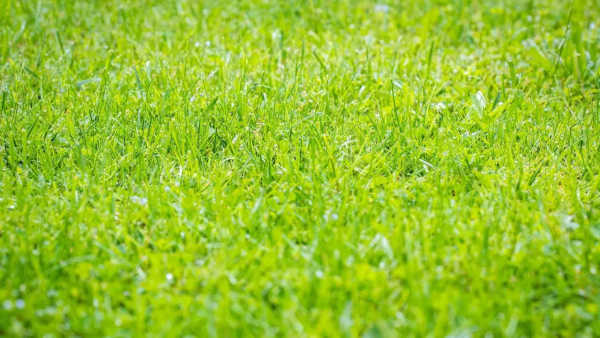
Tall ornamental grasses such as lemongrass, pampas, or fountain grass offer cover and allow snakes to move unseen. These grasses also provide hiding spots for rodents, which attract snakes. Regular trimming and keeping the grass short near pathways and homes can prevent snake activity.
Ground-covering plants
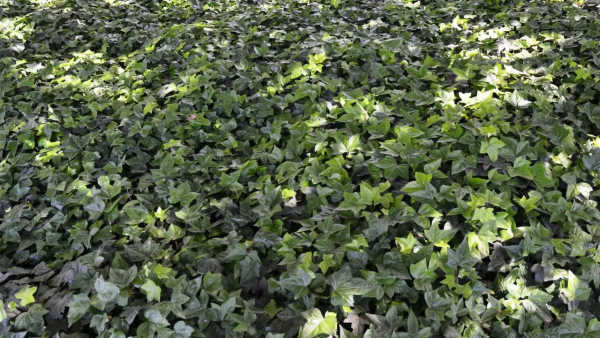
Ivy, creepers, and thick shrubs create low-lying shelter and ambush points for prey. These dense coverings are ideal for snakes to hide from predators or rest during the day. Limiting thick ground cover near entrances or pathways can make your garden less attractive to snakes.
Fruit-bearing shrubs
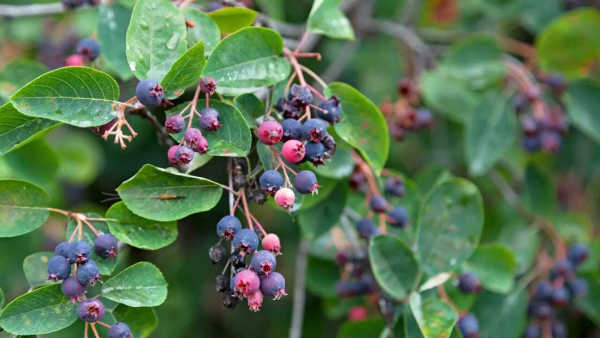
Berry bushes, guava shrubs, and other fruiting plants attract birds and rodents, which can in turn attract snakes. These shrubs often create dense foliage, providing additional shelter for snakes. Regular harvesting of fruit and pruning dense branches reduces potential hiding spots.
Water plants near ponds
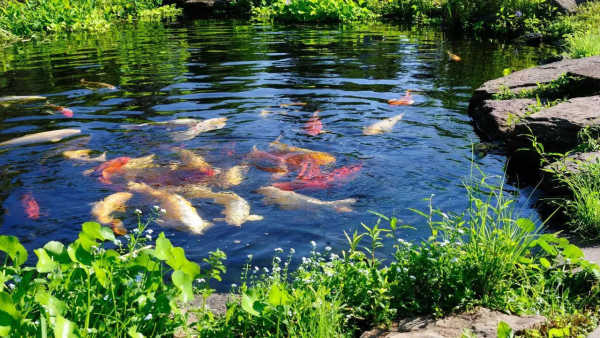
Water lilies, papyrus, and other aquatic plants attract frogs, insects, and small amphibians, indirectly inviting snakes that feed on these creatures. Keeping the pond edges clean and avoiding overgrown aquatic plants can help reduce snake visits.
Dense hedge plants
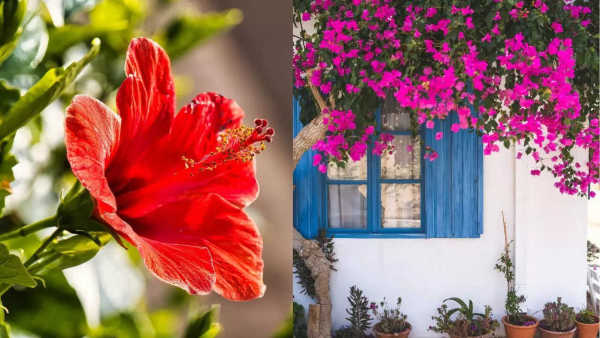
Hedges such as hibiscus, bougainvillea, or ficus provide cover for snakes and perching opportunities for birds. Snakes often use thick hedges as hunting grounds or hiding places. Trimming hedges regularly and keeping the base clear of debris can make them less inviting.
How plants and trees attract snakes
Snakes are naturally drawn to areas that provide safety, warmth, and hunting opportunities. Dense foliage, tall grasses, and certain fruiting trees offer ideal hiding spots for snakes to rest during the day. Additionally, plants that attract rodents, frogs, or birds can indirectly increase snake activity, as these creatures are primary sources of food for many species. A combination of ground cover, shade, and prey availability creates a microhabitat that snakes find appealing, making some gardens more prone to snake visits than others.
Common trees and plants that may attract snakes to your home
Mango trees
Mango trees provide dense shade and produce fruit that attracts birds, bats, and small mammals, which can in turn lure snakes. Fallen fruit on the ground also attracts rodents, creating a convenient hunting ground. Regularly cleaning up fallen fruit and pruning low-hanging branches can reduce the likelihood of snake activity.
Coconut trees
Coconut palms with thick undergrowth at their base offer snakes a safe shelter from predators and extreme weather. The coconuts themselves attract rodents and other small animals, making these trees potential snake hotspots. Maintaining a clear area around the base can discourage snakes from settling.
Banana trees
Banana trees have broad leaves and dense clusters that provide shaded, humid hiding spots ideal for snakes. Their fruit attracts small mammals, indirectly increasing snake presence. Planting banana trees away from the house or trimming the lower leaves can help minimise risk.
Guava trees
Guava trees with low-hanging branches and thick foliage offer excellent cover for snakes. Fallen guavas attract rodents, which snakes hunt. Regular pruning and removal of fallen fruit can make the area less inviting.
Bamboo clumps
Dense bamboo provides shelter for snakes to hide during the day. The shaded and moist ground beneath bamboo is appealing to reptiles seeking a safe resting place. Controlling the spread of bamboo and thinning out clumps can reduce snake habitats.
Long-grass plants
Tall ornamental grasses such as lemongrass, pampas, or fountain grass offer cover and allow snakes to move unseen. These grasses also provide hiding spots for rodents, which attract snakes. Regular trimming and keeping the grass short near pathways and homes can prevent snake activity.
Ground-covering plants
Ivy, creepers, and thick shrubs create low-lying shelter and ambush points for prey. These dense coverings are ideal for snakes to hide from predators or rest during the day. Limiting thick ground cover near entrances or pathways can make your garden less attractive to snakes.
Fruit-bearing shrubs
Berry bushes, guava shrubs, and other fruiting plants attract birds and rodents, which can in turn attract snakes. These shrubs often create dense foliage, providing additional shelter for snakes. Regular harvesting of fruit and pruning dense branches reduces potential hiding spots.
Water plants near ponds
Water lilies, papyrus, and other aquatic plants attract frogs, insects, and small amphibians, indirectly inviting snakes that feed on these creatures. Keeping the pond edges clean and avoiding overgrown aquatic plants can help reduce snake visits.
Dense hedge plants
Hedges such as hibiscus, bougainvillea, or ficus provide cover for snakes and perching opportunities for birds. Snakes often use thick hedges as hunting grounds or hiding places. Trimming hedges regularly and keeping the base clear of debris can make them less inviting.
Read more