Is Your Salad Upsetting Your Stomach? Gastroenterologist Explains The Truth Behind Raw Salads And Gut Sensitivity
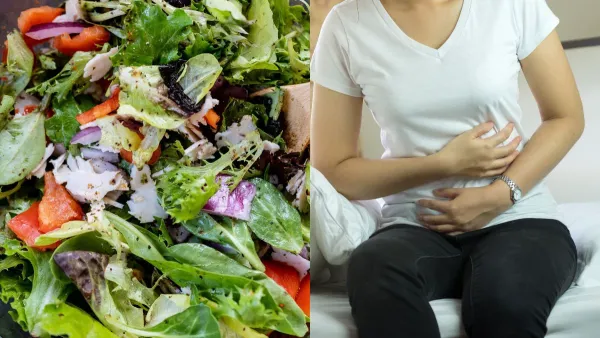
Salads and raw veggies are frequently touted as the ultimate health symbols, full of gut-friendly fibre, vitamins, minerals, antioxidants, and water.
They guarantee weight control, better digestion, and overall health. But for most individuals with a delicate digestive system, the tale is not so rosy. Rather than feeling invigorated after a green salad, they find themselves bloated, gassy, painful, nauseated or even running to the bathroom. This paradox has many people asking: if it's so healthy, why does it hurt so badly?
The reason behind this is the way our gut handles some foods. Raw vegetables such as onions, broccoli, garlic, cabbage, or peas contain lots of fibre and FODMAPs (fermentable carbohydrates) that are hard to digest, particularly for someone with a condition like IBS, celiac disease, or food intolerance. When undigested fibre ferments in the gut, it creates excess gas and causes symptoms of gastric distress. Throw in the variables of poor washing, enzyme deficiencies, or an imbalance in salad nutrition, and the "healthy" meal can become a fast track to digestive disaster. In conversation with The Daily Jagran, Dr Sambit Kumar Bhuyan, Consultant Medical Gastroenterologist, Manipal Hospital Bhubaneswar, shares how raw salads and juices can affect gut sensitivity.
People with a "sensitive gut" indicate a digestive system that is easily upset and is prone to discomfort after eating. Gastric discomfort or stomach ache affects our daily life significantly, which includes mild to severe pain, also associated with symptoms like bloating, gas, nausea, constipation and/or diarrhoea. Medical conditions with a sensitive digestive system include IBS (Irritable bowel syndrome), celiac disease, lactose intolerance or food intolerance. These patients with a sensitive gut who eat raw salads experience dyspeptic features
Raw salads contain a large volume of vegetables like onion, peas, garlic, broccoli, mushrooms, cucumber, beet, cabbage, cauliflower, corn, lettuce, etc, a few of them are rich in high fibres. Usually, fibres are beneficial for digestion, but excess consumption can sometimes upset the gut. Bacteria present in the gut ferments these fibres, producing gas which causes bloating, gas and sometimes diarrhoea. Dr Sambit Kumar Bhuyan shares, "Excess fibre intake without sufficient intake of fluids can also cause constipation. Raw vegetables often harbour bacteria, parasites and other pathogens and can cause serious stomach problems if taken without proper washing." The rainy season can increase these risks due to increased potential for contamination.
Some people may not produce enough digestive enzymes required to break down tough cellulose present in raw vegetables. Dr Sambit Kumar Bhuyan states, "People with IBS react to high FODMAP vegetables (Fermentable oligosaccharides, disaccharides, monosaccharides and polyols) like onions, garlic, peas, beans, mangoes, watermelon and nuts like cashews and pistachios." Since these carbohydrates are poorly absorbed by the small intestine, they can accelerate IBS symptoms.

Raw Salad, Juice And Gut Sensitivity (Image Credits: Canva)
According to "FODMAP Diet Theory", when you are eating a salad or raw vegetables, you are usually eating a large volume of food, which can increase the amount of gas and the osmotic load in the gut and contribute to IBS. Few salads contain an insufficient amount of protein and healthy fat. Lack of fat in a salad can also affect the absorption of fat-soluble vitamins like Vitamin A, D, E and K.
These problems can be avoided by slightly cooking some vegetables, which makes them easier to digest. Sometimes, choosing vegetables wisely, keeping in mind FODMAP vegetables, can also alleviate symptoms. Dr Sambit Kumar Bhuyan mentions, "Washing vegetables thoroughly and chewing them properly helps in digestion. Adding healthy fats and proteins helps in nutrient absorption. Probiotics like yoghurt aid in digestion. Drinking plenty of water can also help in the digestion of fibre." Taking a walk after eating can also aid in digestion and reduce upset. To make a salad into a complete meal, we can add a healthy carbohydrate, fat and protein source. Eating salads is a great way to have a healthy life, but with a few modifications, we can reduce the adversities associated with it.
Read more