Roti vs Rice at night: Which is lighter on the stomach and better for digestion

Roti and rice are staple foods in Indian households, providing essential carbohydrates, energy, and nutrients. While both are nutritious, they differ in how they affect digestion, fullness, and sleep. Roti, made from whole wheat or multigrain flour, is high in fiber, digesting slowly and keeping the stomach full longer. Rice, especially white rice, has lower fiber and digests quickly, making it lighter on the stomach and easier to tolerate before bedtime. Choosing the right dinner option is important, as the digestive system slows at night. Heavy or hard-to-digest meals can disrupt metabolism and sleep, while lighter options like rice may promote comfort and better rest, supporting overall digestive health.
Understanding the importance of dinner choices
Dinner is the last meal of the day and has a direct effect on digestive comfort and overall health. Eating foods that digest quickly can prevent bloating, acidity, and restless sleep. Conversely, heavier meals may keep the stomach busy when the body should be resting, leading to poor digestion and disturbed sleep.
The question of roti vs rice at night is common because both are rich in carbohydrates, yet they differ in fiber content, digestion speed, and nutrient composition. Understanding these differences helps in making a choice that suits your digestive health and lifestyle.
How roti affects digestion at night

Roti is traditionally made from whole wheat or multigrain flour, which contains higher dietary fiber compared to rice. Fiber slows down the digestive process, ensuring gradual energy release and keeping you full for longer. This can be particularly useful for individuals with high evening activity levels or those aiming to maintain steady blood sugar levels overnight.
However, the same fiber that keeps you full can sometimes make roti feel heavy for people with sensitive digestion. Those prone to acidity or with slower digestion might find multiple rotis before bed uncomfortable, leading to bloating or heaviness.
Benefits of eating roti at night
While roti has many benefits, it may not be the ideal choice for a light dinner, especially for those prone to indigestion or planning to sleep shortly after eating.
How rice impacts nighttime digestion
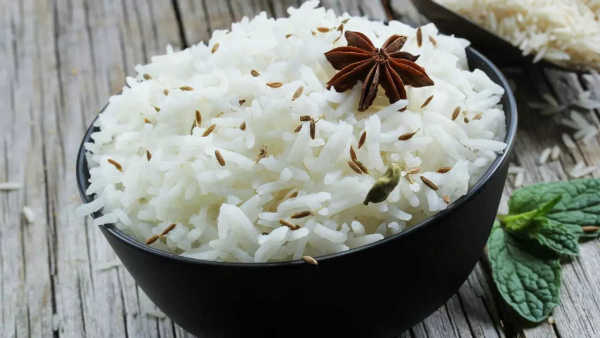
Rice, particularly white rice, has a lower fiber content because the bran and germ layers are removed during processing. This makes rice easier to digest, as it breaks down faster in the stomach. Many people prefer rice at night because it feels lighter and reduces the risk of bloating or discomfort.
Rice can also support sleep indirectly. Its faster digestion and carbohydrate content may boost serotonin production, a neurotransmitter associated with relaxation and restful sleep. People who eat dinner early or have low physical activity at night often find rice to be a comfortable and gentle option.
Benefits of eating rice at night
Considerations
Rice digests quickly, which can lead to hunger sooner. To maintain satiety, it’s best to pair rice with dal, vegetables, or lean protein. Overeating rice, especially with calorie-dense accompaniments, can contribute to weight gain over time.
Roti vs Rice: Comparing digestive impact
Although roti and rice contain similar calories and carbohydrates, the difference in fiber content makes roti heavier and slower to digest, while rice is lighter and faster to digest.
Tips for balanced dinner choices
For those seeking light digestion and better sleep, rice is generally a more suitable choice. For sustained satiety and slower energy release, especially for active evenings, roti works better. Ultimately, personal tolerance, portion size, and meal composition determine which option is best.
Disclaimer: This article is for informational purposes only and is not a substitute for professional medical advice. Individual digestion and nutritional needs may vary. Consult a healthcare professional or dietitian for personalised guidance.
Also Read | This simple pasta trick lets you enjoy your favourite dish without blood sugar worries; French biochemist reveals
Understanding the importance of dinner choices
Dinner is the last meal of the day and has a direct effect on digestive comfort and overall health. Eating foods that digest quickly can prevent bloating, acidity, and restless sleep. Conversely, heavier meals may keep the stomach busy when the body should be resting, leading to poor digestion and disturbed sleep.
The question of roti vs rice at night is common because both are rich in carbohydrates, yet they differ in fiber content, digestion speed, and nutrient composition. Understanding these differences helps in making a choice that suits your digestive health and lifestyle.
How roti affects digestion at night
Roti is traditionally made from whole wheat or multigrain flour, which contains higher dietary fiber compared to rice. Fiber slows down the digestive process, ensuring gradual energy release and keeping you full for longer. This can be particularly useful for individuals with high evening activity levels or those aiming to maintain steady blood sugar levels overnight.
However, the same fiber that keeps you full can sometimes make roti feel heavy for people with sensitive digestion. Those prone to acidity or with slower digestion might find multiple rotis before bed uncomfortable, leading to bloating or heaviness.
Benefits of eating roti at night
- Provides long-lasting satiety due to high fiber.
- Helps stabilise blood sugar levels.
- Supports post-dinner energy needs, especially for active individuals.
While roti has many benefits, it may not be the ideal choice for a light dinner, especially for those prone to indigestion or planning to sleep shortly after eating.
How rice impacts nighttime digestion
Rice, particularly white rice, has a lower fiber content because the bran and germ layers are removed during processing. This makes rice easier to digest, as it breaks down faster in the stomach. Many people prefer rice at night because it feels lighter and reduces the risk of bloating or discomfort.
Rice can also support sleep indirectly. Its faster digestion and carbohydrate content may boost serotonin production, a neurotransmitter associated with relaxation and restful sleep. People who eat dinner early or have low physical activity at night often find rice to be a comfortable and gentle option.
Benefits of eating rice at night
- Light and easy to digest.
- May promote better sleep by supporting serotonin production.
- Suitable for early dinners or sedentary evenings.
Considerations
Rice digests quickly, which can lead to hunger sooner. To maintain satiety, it’s best to pair rice with dal, vegetables, or lean protein. Overeating rice, especially with calorie-dense accompaniments, can contribute to weight gain over time.
Roti vs Rice: Comparing digestive impact
Although roti and rice contain similar calories and carbohydrates, the difference in fiber content makes roti heavier and slower to digest, while rice is lighter and faster to digest.
- Roti: High fiber → slower digestion → long-lasting fullness → may feel heavy.
- Rice: Low fiber → faster digestion → lighter on the stomach → may induce hunger sooner.
Tips for balanced dinner choices
- Pair two medium-sized rotis with vegetables and dal for a nutrient-dense dinner.
- Opt for one small katori of rice with protein and greens for a lighter meal.
- Portion control is crucial; overeating either can disrupt digestion.
For those seeking light digestion and better sleep, rice is generally a more suitable choice. For sustained satiety and slower energy release, especially for active evenings, roti works better. Ultimately, personal tolerance, portion size, and meal composition determine which option is best.
- Eat according to your digestive comfort.
- Combine carbohydrates with protein and vegetables for balanced nutrition.
- Avoid heavy, oily accompaniments late at night to prevent bloating.
Disclaimer: This article is for informational purposes only and is not a substitute for professional medical advice. Individual digestion and nutritional needs may vary. Consult a healthcare professional or dietitian for personalised guidance.
Also Read | This simple pasta trick lets you enjoy your favourite dish without blood sugar worries; French biochemist reveals
Read more