Which Indian fruit is a cheaper alternative to blueberries and why
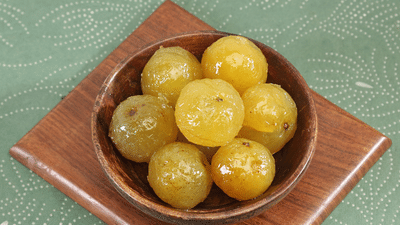
Blueberries are celebrated as a superfood worldwide, praised for their anthocyanins that boost brain health, antioxidants that fight ageing, and fibre that keeps digestion on track. But in India they remain a luxury. Sold mostly as imports, a small box can cost a few hundred rupees, making them impractical for everyday eating. The question then is simple: which food gives us similar or even better benefits without draining our wallets? The answer isn’t hiding in an imported aisle but much closer to home. Scroll down to find the everyday fruit that rivals blueberries.
Amla - Packed with more power than it looks
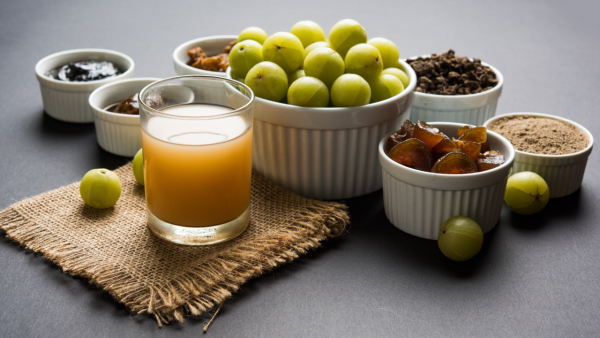
may not have the glamour of blueberries, but it more than makes up for it in substance. Bite into one and you’re holding one of the richest natural sources of vitamin C on the planet, several times more than an orange, giving your immunity a serious lift. A 100-gram serving of fresh amla delivers 250-300 milligrams of vitamin C, far higher than the 10 milligrams in the same amount of blueberries, along with fibre, potassium and chromium, which help regulate blood sugar and support metabolism. Beyond that sharp tang lies fibre to keep digestion smooth, and minerals like calcium and iron that quietly support strong bones and steady energy. Much like blueberries, brims with antioxidants that support the heart, slow down skin ageing, and protect the body from oxidative stress. No wonder Ayurveda has cherished it for centuries as a rasayana - a fruit that restores energy, strengthens resilience and keeps the body feeling young.
Cost that makes sense
While blueberries easily touch ₹300–₹400 for a 125-gram punnet, amla in season sells for as little as ₹20-₹30 per kilo. Even preserved as murabba, pickles or dried powder, it remains within easy reach. For anyone trying to eat smarter on a budget, this fruit is proof that you don’t need imported foods to nourish yourself well.
How to enjoy it daily
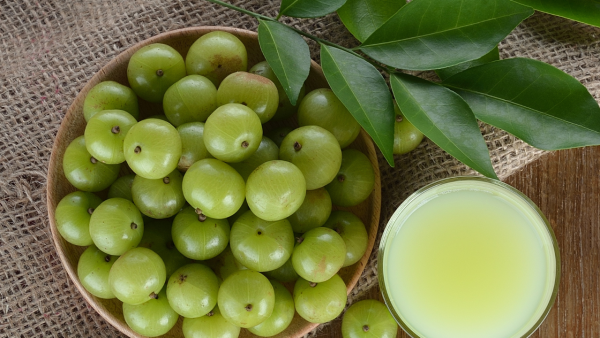
The sharp tang of amla can be turned into refreshing recipes and quick fixes:
Fresh slices - sprinkle wedges with salt and chilli for an instant energy boost.
Juice - blended with water and honey, it’s a morning shot that aids digestion and clears the skin.
Murabba - syrupy, candied amla preserves are a nostalgic way to get benefits year-round.
Powder - stir into smoothies, yoghurt or sprinkle over salads for a tart, earthy kick .
Beyond nutrition
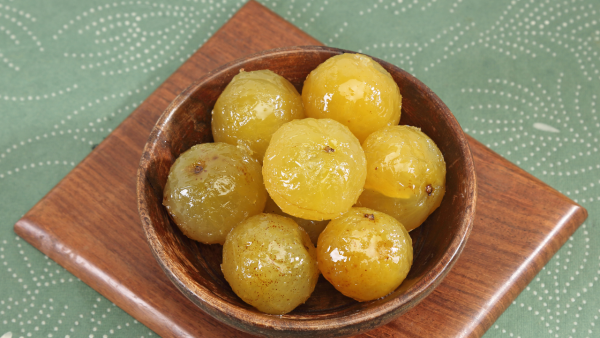
Unlike blueberries, amla carries centuries of cultural weight. Its tree is considered sacred in many parts of India. Families pickle it, make chyawanprash with it, or use it in home remedies for hair and digestion. It’s not just a fruit, but part of a living tradition that blends taste, health, and heritage.
Takeaway
Blueberries remain an occasional treat, amla is the true everyday superfood - affordable, widely available, and deeply rooted in Indian kitchens. It carries science, tradition and flavour in equal measure, proving that sometimes the best answers aren’t imported or expensive. They’re waiting quietly at the local fruit stall, just as nourishing, and often better.
Read more