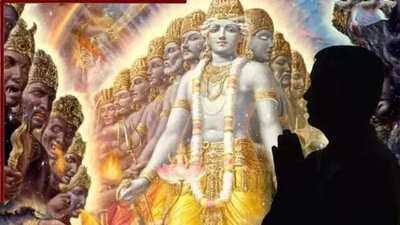
The Story of Prahlada's son Virochana: The Asura Who Chose Dharma Over Power
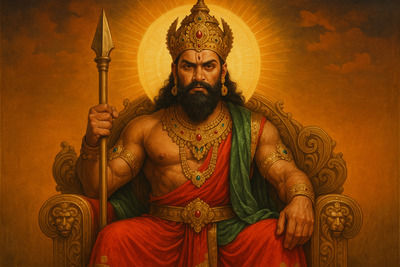
In Hindu mythology, Asuras are often portrayed as antagonists or power-hungry beings. Yet, among them, there are rare figures whose virtue and righteousness shine brighter than their lineage’s reputation. One such figure is Virochana, the son of the great devotee Prahlada and father of Mahabali. Unlike many of his kind, Virochana chose dharma (righteous conduct) over personal gain, pride, and even his own life, exemplifying that virtue transcends lineage and labels.
1. Virochana, the son of Prahlada

2. Asura King

3. The Test of Dharma

4. The Legacy of Righteousness

5. Lessons from Virochana’s Life
Virtue transcends labels: Even an Asura can embody dharma. Righteousness over ego: True power lies in humility and adherence to spiritual principles. Legacy through values: Personal integrity shapes the next generation. Balance of strength and morality: One can be powerful yet kind, strong yet righteous. Respect for guidance: Listening and learning, even from others, strengthens moral authority. Virochana’s story encourages readers to see beyond stereotypes and recognize that ethical choices define a soul more than lineage or birthright.
Virochana: The Asura Who Chose Righteousness
Virochana’s life is a shining example of dharma triumphing over personal gain, pride, and fear. As a ruler, son, and father, he embodied kindness, wisdom, and spiritual integrity, proving that righteousness is the ultimate form of strength. In a world where power often overshadows principle, the story of Virochana reminds us that true greatness lies in choosing what is right, even against one’s own interests.
Unlock insightful tips and inspiration on personal growth, productivity, and well-being. Stay motivated and updated with the latest at My Life XP
1. Virochana, the son of Prahlada
The Story of Virochana: The Asura Who Chose Dharma Over Power
Virochana was born into a family of remarkable devotion and power. His father, Prahlada, was famous for unwavering devotion to Lord Vishnu, even in the face of his father Hiranyakashipu’s tyranny. Raised in such a spiritually grounded environment, Virochana inherited not only Asura strength and leadership but also moral integrity and humility, which would define his rule as king.2. Asura King
The Story of Virochana: The Asura Who Chose Dharma Over Power
As the ruler of the Asuras, Virochana could have wielded his power for conquest and personal glory. Instead, he became known for: Kindness to his subjects, ensuring justice and fairness. Adherence to spiritual principles, performing yajnas (sacrifices) and following dharma in governance. Humility and restraint, refusing to let Asura pride dominate his decisions. Even among Devas and other celestial beings, his virtue was widely acknowledged.3. The Test of Dharma
The Story of Virochana: The Asura Who Chose Dharma Over Power
Virochana’s adherence to dharma was tested on several occasions, particularly in interactions with sages and devas. One famous incident involved the sage Angiras, who challenged Virochana’s claim to righteousness. Instead of responding with pride or aggression, Virochana accepted guidance and correction, prioritizing spiritual law over ego. This reflects a critical aspect of dharma: choosing principle over personal gain, even when it threatens one’s power or reputation.4. The Legacy of Righteousness
The Story of Virochana: The Asura Who Chose Dharma Over Power
Virochana’s virtue was not limited to his own life. His son, Mahabali, would later inherit this sense of justice, becoming a king renowned for fairness and devotion. The story of Virochana demonstrates that dharma can flow through generations, and righteous conduct has consequences beyond personal glory. Virochana’s life stands as a bridge between the Asura and Deva worlds, showing that righteousness is not bound by birth or identity but by conscious choice.5. Lessons from Virochana’s Life
Virtue transcends labels: Even an Asura can embody dharma. Righteousness over ego: True power lies in humility and adherence to spiritual principles. Legacy through values: Personal integrity shapes the next generation. Balance of strength and morality: One can be powerful yet kind, strong yet righteous. Respect for guidance: Listening and learning, even from others, strengthens moral authority. Virochana’s story encourages readers to see beyond stereotypes and recognize that ethical choices define a soul more than lineage or birthright.
Virochana: The Asura Who Chose Righteousness
Virochana’s life is a shining example of dharma triumphing over personal gain, pride, and fear. As a ruler, son, and father, he embodied kindness, wisdom, and spiritual integrity, proving that righteousness is the ultimate form of strength. In a world where power often overshadows principle, the story of Virochana reminds us that true greatness lies in choosing what is right, even against one’s own interests.
Unlock insightful tips and inspiration on personal growth, productivity, and well-being. Stay motivated and updated with the latest at My Life XP
Read more