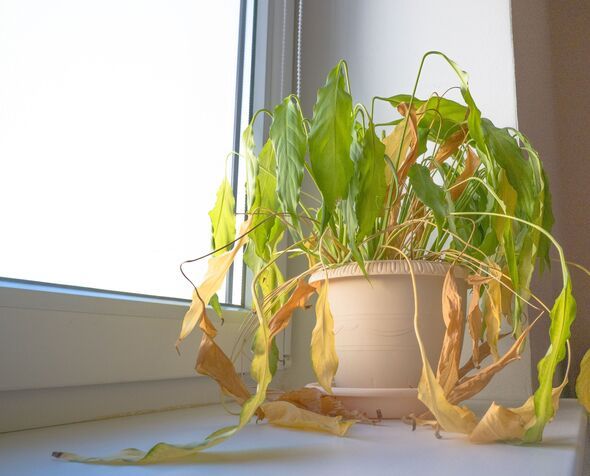
As we transition into the chillier autumn period, your boiler won't be the sole thing adapting to your home's heating activation. Your houseplants will experience changes too. Annually, countless plant enthusiasts witness their treasured foliage begin to deteriorate in mid-October. Previously flourishing ferns, palms, and monsteras suddenly droop as the heating period commences.
Horticulturalist Ollie Burgess explains: "People often blame themselves for being a 'bad plant parent', but the truth is most plants are reacting to sudden environmental changes in your home. Houseplants don't like surprises. Heating can change their microclimate - air dries out, temperatures fluctuate, and draughts appear. For plants, that's stressful."
Adam Knight, Lead Engineer at home heating and cooling firm BOXT, adds: "It's not just the heat itself - how it moves around your home and how dry it becomes can create hot and cold spots."
Ollie offers guidance for plant enthusiasts: "Even small changes in temperature can make plants more vulnerable to browning leaves and curling. By paying attention to how your plants react, you can also spot where your heating setup might need adjustment for comfort."
However, one fundamental principle can significantly enhance their survival prospects - and it's more straightforward than you might expect. When the radiators activate, three primary changes occur.
Moisture levels plummetHeated air can retain greater moisture levels than cooler air, yet when you warm a space without introducing additional moisture, the relative humidity decreases, creating drier conditions.
Numerous plants - particularly tropical varieties such as ferns and monstera - depend on humidity levels exceeding 40% to flourish. Indoor humidity during winter months can drop beneath 30%.
"Brown tips are often the first sign that your plants are struggling with dry air. Low humidity can also cause leaves to curl, crisp up at the edges, or even wilt," explains Ollie.
Adam adds: "Central heating dries the air faster than many realise. Keeping an eye on moisture levels to balance temperature and humidity, can help both your plants and your home feel healthier."
Temperature fluctuationsGreenery positioned near windows can experience cold draughts during nighttime hours and heated air throughout the day. Continuous fluctuations weaken foliage and root systems.
Ollie shares: "A plant's health is like a barometer for your home. If your monstera is browning or your fern is curling, that's a red flag that the air is too dry for you as well."
Adam adds: "Airflow matters too. Hot air rising from radiators or sudden cold from a window can create microclimate stress points."
Poor positioningRadiators, underfloor heating outlets, or bright windowsills positioned above heaters can damage delicate leaves. Fortunately, several budget-friendly modifications can significantly improve your indoor plants.
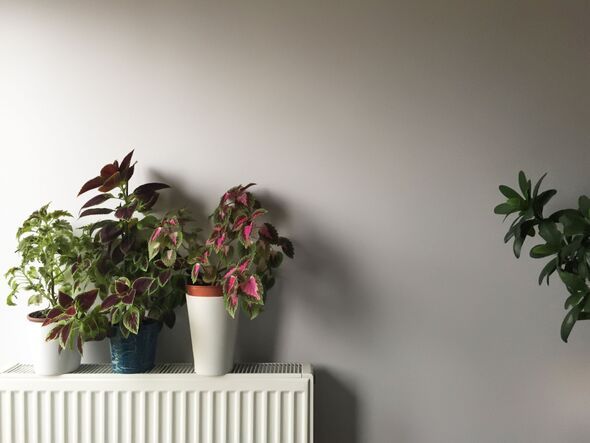 Position plants away from direct heating sources
The most straightforward rule for positioning indoor plants near a radiator is: If you can sense the heat on your hand, your plant is positioned too close. The arid heat from a radiator can cause the foliage to wither, become crispy, and turn brown. For most plants, a secure distance is approximately 50cm-1m away.
Manage humidity naturallyClustering plants together helps them establish their own microclimate. For an additional enhancement, position a tray of water and pebbles beneath the plant pot. As the water evaporates, it will boost the humidity in the air surrounding the plant.
The golden rule: stability is everythingCentral heating is designed to keep your home comfortable - but the incorrect thermostat settings can quietly undermine your houseplants. Ollie says: "The biggest mistake I see is running the heating on a high, fluctuating schedule. Even swings from 16°C at night to 25°C during the day are enough to stress plants, causing browning leaves, curling, and drooping. The single most important thing to keep them alive when heating comes on is maintaining a stable environment. That means consistent temperature, humidity, and airflow."
Adam concurs: "Sudden on/off heating cycles can cause rooms to swing between hot and cold, which is less conducive for comfort in the colder months. A smart thermostat helps by maintaining a steady, moderate environment when you're home, while reducing energy use when you're out.
"As a guide, aim to keep temperature swings within around 3-4°C. For example, 21°C when you're in and active, and no lower than 17-18°C overnight or when the house is empty. This balance keeps your home cosy without driving up heating bills."
Monitor for moisture buildupCentral heating removes moisture from the air, yet if windows and doors remain shut to retain warmth, dampness from cooking, bathing and even respiration can accumulate. With no escape route, this elevates indoor humidity levels.
Adam explains: "As a rule of thumb, humidity levels of 50% to 55% are good for the summer and 45% to 50% is best during an average UK winter. Ventilate daily, and consider a budget-friendly hygrometer - you can find one online from as little as £3 - to track levels. It'll help your greenery thrive while keeping your walls and windows free from condensation and damp."
Adjust your watering routineLimp, drooping leaves often signal overwatering, especially in cooler, low-light conditions. Yellowing leaves can indicate inconsistent watering or insufficient light.
Ollie advises: "In winter, soil behaves differently - it dries more slowly, so always check moisture with your finger before adding water. Overwatering cold soil can easily rot roots. To keep your plants healthy, rotate them when you water them to ensure all sides get even light exposure."
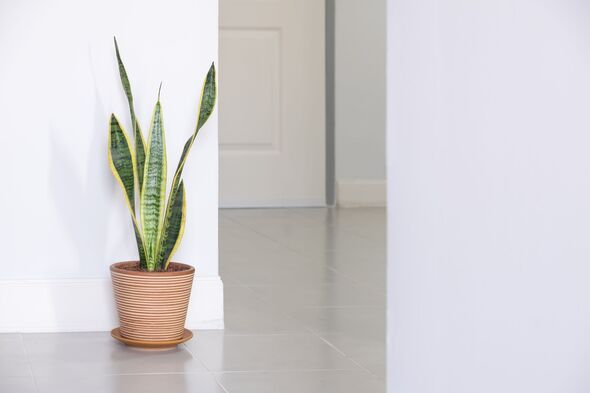
Some plants are better suited to indoor warmth than others. If you'd prefer to avoid the hassle of high-maintenance care, Ollie suggests opting for more resilient varieties.
Robust, air-purifying favourites like Snake Plant (Sansevieria), ZZ Plant (Zamioculcas zamiifolia), Spider Plant, and Pothos (Devil's Ivy), are all tolerant to dry, heated air and are super easy to care for. Other great choices are Dracaena and Philodendron, known for their air-purifying properties, along with the Peace Lily, which thrives in steady warmth.
Kitchens and bathrooms tend to naturally hold more moisture, making these areas a better-suited option for the placement of plants like ferns and other humidity-loving vegetation. Alternatively, living rooms with minimal draughts suit hardy varieties like succulents and snake plants. For rooms with variable light, opting for adaptable varieties such as jade plants, cast iron plants, or aloe vera, is a great option.
Plants can also contribute to a healthier home environment for humans. Research indicates that they increase indoor humidity through transpiration, which can help alleviate dry skin, irritated eyes, and even static electricity caused by dry heated air.
Ollie advises: "Think of your plants as housemates. They need stable conditions to be happy - just like we do. Get the balance right and they'll not only survive winter, but thrive in it."
Adam further adds: "With a stable home environment, smart heating, and careful placement, keeping plants healthy doesn't have to be a struggle. In essence, your houseplants can act as natural indicators: if they start showing stress, it might be a sign your heating isn't quite right."