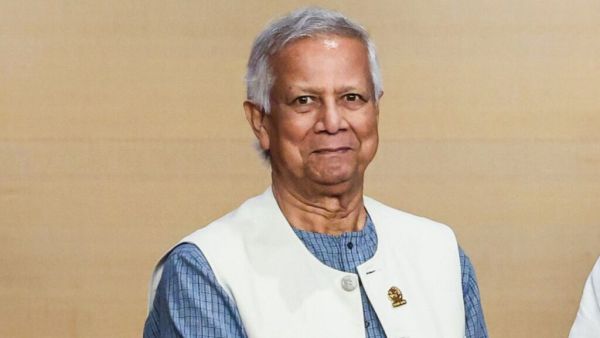
Nothing is going well in Bangladesh, once a trusted neighbor of India, and Islamic fundamentalism is increasingly becoming dominant there. The latest case is to the schools there. The interim government of Bangladesh led by Nobel laureate Muhammad Yunus has succumbed to the immense pressure of Islamic organizations. The government has decided to abolish the posts of music and physical education teachers from government primary schools. Religious fundamentalists said that teaching music and dance in schools was “anti-Islam”.
On Monday, the Ministry of Primary and Mass Education of Bangladesh issued a new appointment policy and said that now the categories of Music and PT (Physical Education) will not be included in the posts of assistant teachers. Ministry official Masood Akhtar Khan said, “There were four categories in the rules issued in August, but only two categories have been kept in the revised rules. The posts of music and physical education teachers are not included in it.”
When asked whether this decision was taken under pressure from religious organizations, he declined to comment, saying, “You can investigate yourself.”
Islamic protest had been going on for months
The roots of this decision lie in the protests of the last several months. Islamic organizations like Jamaat-e-Islami, Islami Andolan Bangladesh, Khilafat Majlis, and Hifazat-e-Islam had strongly opposed the government’s decision to include music and dance in primary education. During a major rally in Dhaka in September, Syed Rezaul Karim, head of the Islami Andolan Bangladesh, said, “You want to hire music teachers? What will they teach the children? You want to spoil our future generation, make them disrespectful and characterless? We will never tolerate this.” Karim also warned that if the government did not accept his demands, “Islam-loving people” would take to the streets. Islamic leaders alleged that the move was a conspiracy to promote “atheist ideology” which was trying to turn the coming generation “away from faith”.
Increasing fundamentalist pressure on Yunus government
Analysts say that this step of Yunus government is like surrender to religious fundamentalists. The organizations which were limited in scope during the rule of former Prime Minister Sheikh Hasina, are now openly active and putting policy pressure on the government. These same organizations had recently demanded a ban on ISKCON, which they called an “extremist organization”. Apart from this, he had also threatened violence if the recommendations of the Women Reform Commission were implemented.
Religion vs Culture: Changing picture of Bangladesh
Bangladesh, once known for its secular, cultural and artistic heritage, today seems to be increasingly leaning towards religious fundamentalism. Excluding cultural activities like music and sports from the education system on the grounds that they are “anti-Islamic” is indicative of a deep ideological rift in the social fabric of the country. Experts say that if this trend continues, Bangladesh may lose the identity that once made it the most progressive Muslim country in South Asia.