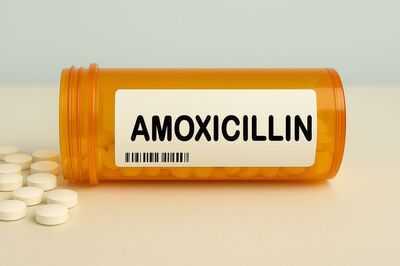
People takingamoxicillin may be required to halt their course of treatment should they develop several 'severe' symptoms. Amoxicillin is a widely prescribed antibiotic utilised tofight bacterial infections, including pneumonia, ear infections, and dental abscesses.
Usually, it's administered as either a capsule or liquid for oral consumption, although it can occasionally be given via injection, typically only in hospital settings. Whilst a treatment regimen involving amoxicillin can prove effective against bacterial infections, the medication may present various common and severe side effects.
Bear in mind that whilst some individuals might encounter side effects, others may not experience any whatsoever. Additionally, certain side effects may be relatively mild, causing only slight discomfort at most, while others may rarely develop serious adverse reactions that require medical consultation and temporary cessation of treatment.
- 'I felt a click and a powerful headache then my skin turned tomato red'
- Doctor explains symptoms of virus that mean stay home for 'a whole week'
 When to stop taking amoxicillin
NHS guidance advises that patients should "stop taking amoxicillin capsules and call a doctor or call 111 now" if they develop several 'serious side effects'. These adverse reactions can differ and are deemed uncommon, yet may still occasionally affect certain individuals using amoxicillin.
However, it's crucial to remember that some of these side effects can still occur up to two months after completing the amoxicillin course. Additionally, a delayed allergic reaction to the treatment can also occur approximately seven to 12 days after taking the capsules.
Serious side effects of amoxicillin can include:.
- A skin rash with circular red patches alongside a high temperature
- Changes to skin colour or bruising more than usual
- Diarrhoea that contains blood or mucus, or severe diarrhoea, either of which may be accompanied by stomach cramps
- Pale poo and dark pee, and the whites of your eyes or your skin turn yellow
- Muscle or joint pain that starts after around two days of taking the medicine
It's important to note that amoxicillin is a penicillin-based antibiotic and can cause allergic reactions, especially if you have already had an allergic reaction to penicillin previously. It is understood that around one in 10 people have some kind of allergic reaction to amoxicillin, although this is not always serious.
Symptoms of an allergic reaction can include:
- Mild skin tash
- High temperature
- Join pain
- Swollen glands (especially in the armpit)
However, a serious allergic reaction, known as anaphylaxis, can be life-threatening and warrants a call to 999 or a trip to A&E. Symptoms of anaphylaxis include:
- Wheezing, coughing or noisy breathing
- Difficulty swallowing, tightness in your throat or a hoarse voice
- Feeling faint, dizzy or fainting
- Skin that feels cold to the touch
- Blue, grey or pale skin, lips or tongue
- Difficulty breathing or breathing very fast
- Swelling of your throat and tongue
- Feeling tired or confused
- Wheezing, coughing or noisy breathing
- Feeling faint, dizzy or fainting
- Feeling tired or confused
- Difficulty swallowing, tightness in your throat or a hoarse voice
- Blue, grey or pale skin, lips or tongue
- Difficulty breathing or breathing very fast
- Skin that feels cold to the touch
- Wheezing, coughing or noisy breathing
- Difficulty swallowing, tightness in your throat or a hoarse voice
- Feeling faint, dizzy or fainting
- Skin that feels cold to the touch
- Blue, grey or pale skin, lips or tongue
- Difficulty breathing or breathing very fast
- Swelling of your throat and tongue
- Feeling tired or confused
- Wheezing, coughing or noisy breathing
- Feeling faint, dizzy or fainting
- Feeling tired or confused
- Difficulty swallowing, tightness in your throat or a hoarse voice
- Blue, grey or pale skin, lips or tongue
- Difficulty breathing or breathing very fast
- Skin that feels cold to the touch
Further details around amoxicillin can be found here.