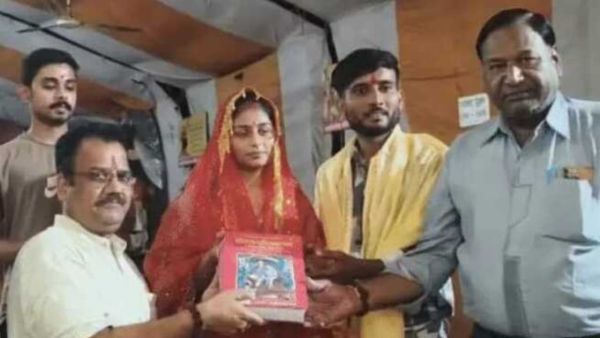
Did love really change a girl's entire identity? Vanshika, who became Rukhsar of Dhar, rejected marriage and adopted Sanatan Dharma and performed Vedic marriage in the witness of Mahadev! Is this the victory of love or the call of religion?
edge. This story from Dhar district of Madhya Pradesh is not only about love, but also about faith and self-confidence. A Muslim girl named Rukhsar felt affinity towards Hindu culture since childhood. She used to wear bindi, wear saree and go for darshan of Mata during Navratri. Although there was opposition to her behavior at home, Rukhsaar always said, “I will marry only after becoming a Hindu, because women are respected here.”
Why did the girl who became Vashinka from Rukhsar choose Sanatan Dharma?
The big turning point in the life of Rukhsar, a resident of Dharampuri in Dhar district, came when her family fixed her marriage. But Rukhsaar clearly refused this marriage. He said, “I want to get married as per the Hindu tradition. In this religion, woman is considered a goddess.” Rukhsar had met Vishal Rajput, a resident of Undel village in Khandwa district, on social media. Gradually friendship turned into love and both decided to get married.
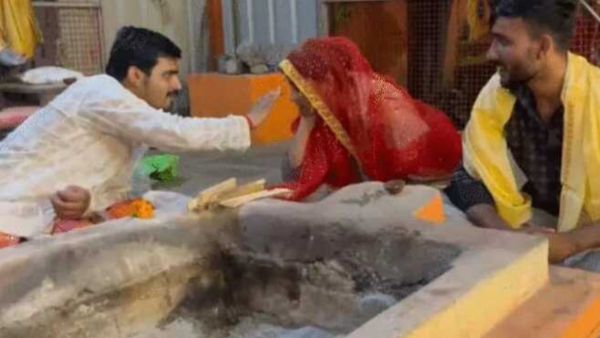
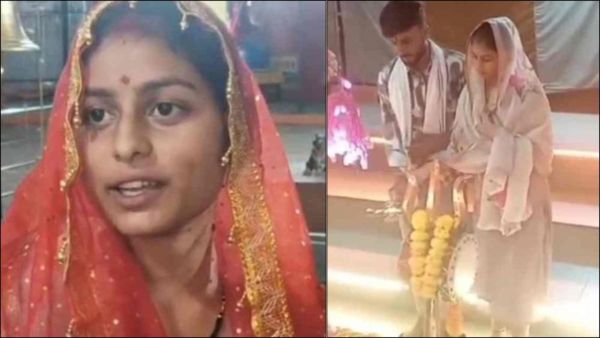
Before marriage, took seven rounds in Mahadevgarh temple as per Vedic tradition.
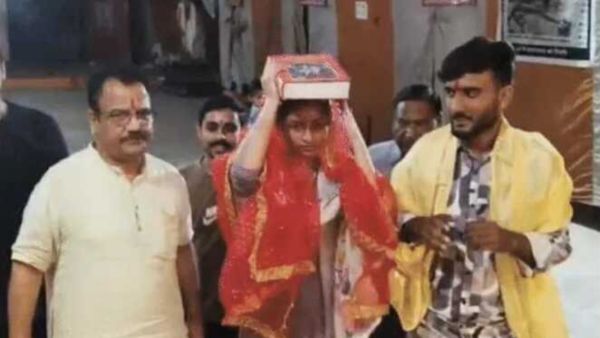
Even before the marriage on 27th November, Rukhsar changed her name to Vanshika and adopted Sanatan Dharma. The marriage took place as per Vedic rituals in Mahadevgarh temple on Tuesday. Harihar Milan Diwas was also being celebrated on this occasion. Vanshika said after the marriage, "I have made Shri Ramcharitmanas the basis of my life. Now I will live my life according to it. This is my own decision, not taken under any pressure."
Opposition from family, but decision taken with courage
Vanshika told that when she decided to convert to religion and get married, the family strongly opposed it. But she said, “Now I will do only what my heart tells me to do.” She believes that in Sanatan Dharma, women get both respect and freedom.
Vishal said, 'I am not married to Rukhsar, I am married to Vanshika'
Vishal Rajput, who is a farmer by profession, said that he has married not to change anyone, but to live together. He said, "Vanshika has adopted Sanatan Dharma with her heart. Our family has no objection to it."
Will Vanshika's decision give a new message to the society?
Many people were present in this marriage which took place on the occasion of Harihar Milan Diwas. Hindutva leader Ashok Paliwal also attended the wedding. He said, "Earlier, conversion used to happen at the point of sword, but today girls are adopting Sanatan Dharma willingly. This is a symbol of trust towards our society."