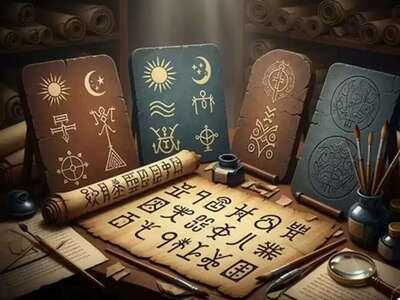
What is a Logographic System? Traditionally, languages are thought to require an alphabet for written communication, consisting of letters like A, B, and C. However, Chinese (Mandarin) defies this norm by utilizing a logographic system. In this system, each character signifies a complete word or concept rather than a mere sound.
The Complexity of Logographic Systems
This writing approach is not only challenging but also one of the most intriguing aspects of linguistics. It illustrates that conveying ideas can involve more profound symbols beyond just letters. Similarly, Japanese also deviates from the conventional alphabet model, employing a blend of three scripts: Kanji (inspired by Chinese characters), Hiragana, and Katakana, which are classified as syllabaries.
Defining Syllabaries
What is a Syllabary? In a syllabary, each symbol represents an entire syllable (like 'ka' or 'ki') instead of a single letter. This unique characteristic sets the Japanese language apart, as it utilizes syllable-based symbols rather than solely sound-based characters. This diversity showcases the creativity and complexity inherent in various writing systems.
Key Examples of Non-Alphabetic Writing Systems
1. Chinese (Mandarin)
Unique Feature: Mandarin employs a logographic system where each character (Hanzi) conveys a complete word or idea rather than just a sound. For instance, the word 'machine' is represented by a single character rather than broken down into phonetic components.
2. Japanese
Unique Feature: The Japanese language utilizes a combination of three writing systems. Two of these, Hiragana and Katakana, are syllabaries:
- Kanji: Derived from Chinese characters, functioning as hieroglyphs.
- Hiragana and Katakana: Each symbol represents a complete syllable (e.g., 'ka', 'ki', 'ku').
3. Korean Language
Unique Feature: Korean employs Hangul, which resembles an alphabet with basic consonants and vowels. However, it is considered a hybrid system as these letters form syllabic blocks, leading some linguists to classify it as neither a full alphabet nor a syllabary.
4. Ancient Hieroglyph-Based Languages
Example: Ancient Egyptian utilized hieroglyphs, which were not entirely based on an alphabet.