10 Plants That Give Oxygen Even at Night (Not All Plants Sleep)

When the sun goes down, most plants take a break from photosynthesis — the process that turns sunlight into energy and oxygen. At night, they usually absorb oxygen and release carbon dioxide, just like we do. But not all plants follow this rule.
Some rare species have evolved a fascinating system called Crassulacean Acid Metabolism (CAM) that lets them keep producing oxygen even after dark. These plants are nature’s night workers — quietly purifying the air while you sleep. Let’s meet the top 10 of these green companions that don’t rest when the world does.
1. Snake Plant (Sansevieria trifasciata)
2. Aloe Vera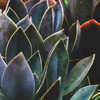
3. Spider Plant (Chlorophytum comosum) With its graceful arching leaves and baby plantlets, the Spider Plant is an air-purifying marvel. Studies have shown that it can remove up to 90% of harmful indoor pollutants within 24 hours. What makes it special is that it continues to work even at night — refreshing your indoor atmosphere while you rest. It’s resilient, easy to grow, and thrives in indirect sunlight, making it an effortless addition to any home.
4. Areca Palm (Dypsis lutescens) Imagine a tropical breeze right inside your living room — that’s the Areca Palm. With lush, feathery fronds, it’s not just decorative but also one of the most effective natural air humidifiers. It releases oxygen at night and helps maintain moisture in dry rooms, which can make your sleep environment much more comfortable. Having a palm indoors feels like bringing a slice of nature into the city — graceful, calming, and fresh.
5. Gerbera Daisy (Gerbera jamesonii) Who said air-purifying plants can’t be beautiful? The Gerbera Daisy proves otherwise. With its bright, cheerful flowers, it continues to produce oxygen even after sunset — something very few flowering plants do. People often keep it near their bedside to promote better sleep and improve room air. A well-lit window and occasional watering are all it needs to keep blooming and breathing for you.
6. Money Plant (Epipremnum aureum) Also known as the Golden Pothos, this lucky charm of a plant is more than just a symbol of prosperity. It continues releasing oxygen at night and absorbs indoor toxins such as xylene and formaldehyde from paints or furnishings. Its trailing vines make it ideal for hanging baskets or high shelves, giving your space a relaxed, green touch while quietly purifying your surroundings.
7. Peace Lily (Spathiphyllum) The Peace Lily is elegance in a pot — glossy green leaves crowned with white blooms that seem to glow softly under light. It continues releasing oxygen during the night while neutralizing mold spores and common pollutants. Its presence can make your room feel calmer, cleaner, and more serene — true to its name. It’s also known to slightly increase humidity, easing breathing and soothing dry indoor air.
8. Orchids Orchids are often admired for their delicate, exotic beauty — but few know that some varieties like Phalaenopsis and Dendrobium release oxygen at night. They thrive in shaded areas and lend an instant touch of sophistication to any space. Keeping one on your nightstand or work desk adds both charm and freshness. They remind us that even the most beautiful things can also be functional.
9. Neem (Azadirachta indica) Traditionally called the “village pharmacy,” Neem is known for its medicinal value — but it also happens to release oxygen at night. In rural India, people often plant Neem near homes for its purifying qualities. It repels mosquitoes, cleanses air, and offers a cooling effect during hot nights. Having a Neem plant nearby isn’t just good for your health — it’s a nod to age-old wisdom that modern science is still catching up with.
10. Tulsi (Holy Basil) The Tulsi plant, sacred in Indian households, has long been considered a source of purity and protection. It is one of the few herbs that releases oxygen continuously, day and night. Apart from improving air quality, it’s known for its antibacterial and antiviral properties. Many people keep it near windows or courtyards not just for worship but also for its gentle scent and air-cleansing powers.
Some rare species have evolved a fascinating system called Crassulacean Acid Metabolism (CAM) that lets them keep producing oxygen even after dark. These plants are nature’s night workers — quietly purifying the air while you sleep. Let’s meet the top 10 of these green companions that don’t rest when the world does.
1. Snake Plant (Sansevieria trifasciata)
Snake Plant gives oxygen at night
Known as “Mother-in-law’s Tongue,” the Snake Plant is one of the most dependable indoor companions. It continues releasing oxygen through the night while absorbing toxins like formaldehyde and benzene from the air. Its upright, sword-like leaves thrive even in low light and dry conditions, making it perfect for bedrooms and workspaces. You could forget to water it for weeks, and it will still stand tall — quietly cleaning your air as you sleep.2. Aloe Vera
aloe vera
This fleshy green plant isn’t just a skin-soother — it’s also a silent oxygen generator. Aloe Vera belongs to the family of succulents that keep their stomata open at night, helping release oxygen and absorb carbon dioxide when you need it most. It also filters out airborne chemicals from cleaning agents. Place an Aloe Vera pot near your bedside or window, and it will reward you with both breathable air and healing gel when you need it.3. Spider Plant (Chlorophytum comosum) With its graceful arching leaves and baby plantlets, the Spider Plant is an air-purifying marvel. Studies have shown that it can remove up to 90% of harmful indoor pollutants within 24 hours. What makes it special is that it continues to work even at night — refreshing your indoor atmosphere while you rest. It’s resilient, easy to grow, and thrives in indirect sunlight, making it an effortless addition to any home.
4. Areca Palm (Dypsis lutescens) Imagine a tropical breeze right inside your living room — that’s the Areca Palm. With lush, feathery fronds, it’s not just decorative but also one of the most effective natural air humidifiers. It releases oxygen at night and helps maintain moisture in dry rooms, which can make your sleep environment much more comfortable. Having a palm indoors feels like bringing a slice of nature into the city — graceful, calming, and fresh.
5. Gerbera Daisy (Gerbera jamesonii) Who said air-purifying plants can’t be beautiful? The Gerbera Daisy proves otherwise. With its bright, cheerful flowers, it continues to produce oxygen even after sunset — something very few flowering plants do. People often keep it near their bedside to promote better sleep and improve room air. A well-lit window and occasional watering are all it needs to keep blooming and breathing for you.
6. Money Plant (Epipremnum aureum) Also known as the Golden Pothos, this lucky charm of a plant is more than just a symbol of prosperity. It continues releasing oxygen at night and absorbs indoor toxins such as xylene and formaldehyde from paints or furnishings. Its trailing vines make it ideal for hanging baskets or high shelves, giving your space a relaxed, green touch while quietly purifying your surroundings.
7. Peace Lily (Spathiphyllum) The Peace Lily is elegance in a pot — glossy green leaves crowned with white blooms that seem to glow softly under light. It continues releasing oxygen during the night while neutralizing mold spores and common pollutants. Its presence can make your room feel calmer, cleaner, and more serene — true to its name. It’s also known to slightly increase humidity, easing breathing and soothing dry indoor air.
8. Orchids Orchids are often admired for their delicate, exotic beauty — but few know that some varieties like Phalaenopsis and Dendrobium release oxygen at night. They thrive in shaded areas and lend an instant touch of sophistication to any space. Keeping one on your nightstand or work desk adds both charm and freshness. They remind us that even the most beautiful things can also be functional.
9. Neem (Azadirachta indica) Traditionally called the “village pharmacy,” Neem is known for its medicinal value — but it also happens to release oxygen at night. In rural India, people often plant Neem near homes for its purifying qualities. It repels mosquitoes, cleanses air, and offers a cooling effect during hot nights. Having a Neem plant nearby isn’t just good for your health — it’s a nod to age-old wisdom that modern science is still catching up with.
10. Tulsi (Holy Basil) The Tulsi plant, sacred in Indian households, has long been considered a source of purity and protection. It is one of the few herbs that releases oxygen continuously, day and night. Apart from improving air quality, it’s known for its antibacterial and antiviral properties. Many people keep it near windows or courtyards not just for worship but also for its gentle scent and air-cleansing powers.
Read more