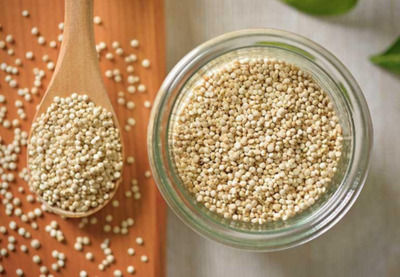
Quinoa: A Nutritional Powerhouse Quinoa is celebrated as a superfood due to its impressive protein, fiber, and nutrient content. Being gluten-free, it is a popular choice for those looking to lose weight or prepare healthy meals. Nowadays, quinoa is a common ingredient in salads and breakfast dishes. However, can it lead to digestive issues? Nutritionist Dr. Archana Batra notes that quinoa cooks quickly and has a subtle taste, making it versatile for both sweet and savory recipes. While it is beneficial for gut health, some individuals may experience bloating, gas, or constipation after consumption. What causes these issues, and how can they be mitigated?

Defining Quinoa
Although often classified as a grain, quinoa is technically a seed. It is packed with essential minerals, vitamins, polyphenols, and flavonoids, all recognized for their antioxidant properties. Research published in the journal Foods highlights quinoa's richness in fatty acids, particularly omega-6, vitamin E, and dietary fiber, which may offer hypoglycemic benefits. While it is generally healthy, some may face digestive challenges when consuming it.
Nutritional Profile of Quinoa
A single cup of cooked quinoa provides approximately 222 calories, 8 grams of protein, 3.55 grams of fat, 39 grams of carbohydrates, 5 grams of fiber, along with 40-50 mg of vitamins and 6.8 mg of minerals.
Digestive Issues Linked to Quinoa
Several factors can contribute to digestive discomfort after eating quinoa:
- High Fiber Content: The fiber in quinoa can impact digestion.
- Fermentation of Fiber: The fermentation process can produce gas, leading to digestive issues.
- Dehydration: Insufficient water intake can hinder fiber digestion.
- Saponins: These compounds found in quinoa may also affect digestion.
Tips for Better Digestion of Quinoa
To ease digestion, start with a small serving of quinoa and gradually increase the portion. Staying hydrated is crucial for fiber digestion. Consuming quinoa in the morning can enhance digestive health. Rinsing quinoa before cooking helps remove saponins. Pairing quinoa with vegetables and protein can also aid in digestion.
PC Social Media