
Buying a replacement car can be a challenging decision. With the average age of cars on UK roads now hitting a record nine years and 10 months, it's evident that motorists are keeping their vehicles for longer than ever before. However, for those ready to acquire an updated vehicle, navigating the second-hand market can feel like walking through a minefield of potential bargains and expensive errors.
Understanding which age bracket offers the best value could be the difference between a wise investment and a costly mistake. Charlie Reid, Company Director of Riverside Car Sales, a UK car dealer specialising in high-quality used vehicles, has pinpointed the precise age range that astute buyers should aim for. He states: "Most people don't realise there's a specific window where you get maximum value from a used car.
"Too new and you're paying for depreciation that hasn't happened yet. Too old and you're gambling on reliability. But hit that sweet spot and you get the best of both worlds."
The expert asserts that this sweet spot is firmly at three to four years old, where buyers can take advantage of significant depreciation while still securing a reliable, modern vehicle. He elaborates on why this age range delivers such strong value and provides his expert advice on purchasing used cars intelligently, reports the Mirror.
Why 3-4 years old is bestCharlie explains: "Car depreciation follows a predictable pattern that smart buyers can use to their advantage. New cars lose around 40-60% of their value within the first three years, and as much as 40% of that is in the first year alone, with the steepest drop happening the moment they leave the showroom.
"This rapid initial depreciation then begins to level off, creating a window where buyers can avoid the biggest financial hit while still getting a relatively young, reliable vehicle. When you buy a car that's 3-4 years old, someone else has already absorbed the worst of the depreciation. You're getting a modern vehicle with up-to-date safety features and technology, but at a fraction of the original price."
Advantages of the 3-4 year windowVehicles within this age range present several compelling benefits that make them the most cost-effective option for many purchasers. These include:
- Major depreciation already hit - by the time a car reaches three years old, it has typically lost half or more of its original value. This means buyers avoid the steepest part of the depreciation curve while still getting a vehicle that feels and drives like a relatively new car
- Reliability with lower repair risk - modern cars are built to last, and a three to four-year-old vehicle is still young enough to be mechanically sound. "These cars haven't reached the age where major components typically start failing," says Reid. "You're buying during the reliability sweet spot."
- Remaining manufacturer warranty - new cars usually come with warranties lasting three to seven years. A car in the 3-4 year bracket may still have valuable manufacturer warranty coverage remaining, which provides peace of mind without the cost of purchasing extended protection. The expert explains: "Finding a three to four-year-old year old car with warranty time left is like getting insurance included in your purchase price. It's one of the most overlooked benefits of buying in this age range."
The specialist notes that whilst three to four years works well for most vehicles, certain categories offer even better value at slightly different ages.
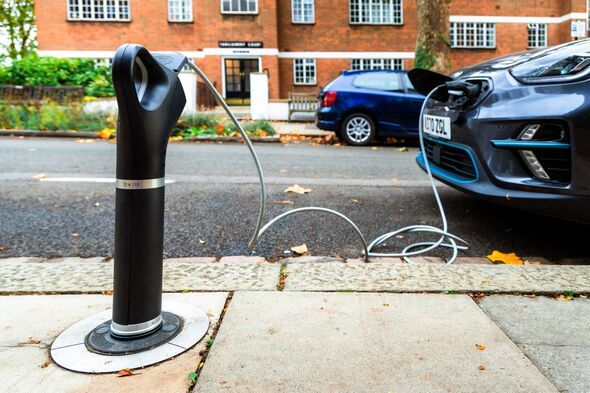
- Electric Vehicles (EVs) can offer stronger value at two to three years old due to faster technology turnover. Battery technology and software improvements mean newer EVs often have significantly better range and features, causing earlier models to depreciate more quickly. Charlie says: "If you're buying an EV, consider going slightly newer. The technology moves fast enough that a two-year-old model can represent excellent value."
- SUVs and luxury cars often deliver the biggest savings at 4-5 years old. These vehicle types depreciate harder than average, particularly luxury brands where maintenance costs can put off some buyers. "A four-year-old premium SUV might have lost 60% of its value, but it's still got plenty of life left," says Reid. "That's where the real bargains are."
 What about older cars?
The specialist explains that whilst older vehicles cost less upfront, they come with increased risk of repairs and reduced fuel efficiency. He states: "Once you're looking at cars over seven years old, you need to factor in higher maintenance costs and the possibility of expensive repairs. Sometimes that bargain price isn't such a bargain once you've paid for a new clutch or timing belt."
Guidance for anyone purchasing pre-owned vehiclesThe specialist offers advice for those contemplating acquiring a second-hand motor. He advises: "When buying a used car, always check the full service history and look for evidence of regular maintenance. A well-maintained older car can have better value than a neglected newer one.
"Get an independent inspection before committing to any purchase. Spending £100-150 on a professional check could save you thousands in hidden problems. Don't skip the test drive either. Listen for unusual noises and check how everything feels.
"Consider total cost of ownership, not just the purchase price. Factor in insurance, tax, fuel economy and typical repair costs for that model. Some cars are cheap to buy but expensive to run.
"Finally, be patient and don't rush. The right car at the right price will come along. Desperation leads to poor decisions and buyer's remorse."