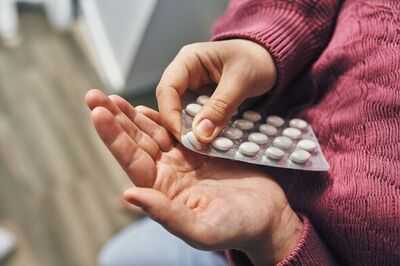
Christmas festivities are fast approaching and the UK's medicines watchdog has issued guidance for anyone taking common medicines about how to avoid dangerous and unexpected side effects of mixing drugs with alcohol. The Medicines and Healthcare products Regulatory Agency (MHRA) is warning that familiar products can cause harm if used incorrectly.

Leigh Henderson, of the MHRA's safety and surveillance team, said: "At this time of year, people are often taking more medicines - whether for colds, allergies or aches and pains - and may also be drinking more alcohol. The biggest safety risks often come from simple misunderstandings, including not realising that alcohol can interact with certain medicines. By taking a few easy precautions, you can keep yourself and your family safe this Christmas."

The MHRA shared five festive medicine tips to avoid mistakes:

  • Don't mix medicines with alcohol - be merry, not risky: Alcohol can interact with many medicines, even those bought over the counter. Combined with medicines that cause drowsiness or affect coordination, it can increase dizziness, slow reactions and raise the risk of falls and accidents. This doesn't only apply to driving - using mobility scooters or powered wheelchairs can also become unsafe. Always read the Patient Information Leaflet or ask your pharmacist whether it's safe to drink while taking your medicine.
  • Don't double up on paracetamol: Many cold and flu remedies already contain paracetamol. Taking them alongside painkillers that also include it can lead to accidental overdose.
  • Don't take expired medicines: Clear out old or leftover medicines; expiry dates matter. Ask your pharmacist how to dispose of them safely.
  • Don't ignore the leaflet: Always read the Patient Information Leaflet, even for medicines you've used before. Guidance can change, including advice about alcohol interactions.
  • Don't share medicines: Never share prescription medicines, even with family. What's safe for one person may be harmful to another.
  • Anyone who experiences a side effect or has a safety concern about a medicine, vaccine or medical device is urged to report it to the MHRA's yellow card scheme.

    This helps the agency to monitor product safety and investigate if a concerning number of reports is raised.

    The MHRA said: "By reporting, you help us monitor product safety and protect others from harm."

    The watchdog stressed that most medicines and devices work well and safety for most people, but no medical product is risk-free.

    Read more
    Drivers urged to put tea bags in cars from Saturday
    Newspoint
    UP prepares fertilizer supply plan for 2026 to ensure timely availability for farmers
    Newspoint
    India significantly boosts placements, entrepreneurship in agri higher education: Report
    Newspoint
    The world's longest race - 3,100 miles in 52 days
    Newspoint
    Raghav Chadha Defends His Parliamentary Actions Amidst Controversy
    Newspoint
    BBC presenter sparks outrage with 'inappropriate' tight leather trousers on air
    Newspoint
    Sanskrit Mahavidyalaya will be 'centre of consciousness' for Vedic knowledge, says Gujarat CM
    Newspoint
    Brave Survivor Drives 35 km to Hospital After Shooting in Ghaziabad
    Newspoint
    HMRC deadline is this weekend and savers urged 'take action or lose £416'
    Newspoint
    Understanding Diabetes: Home Remedies and Lifestyle Changes
    Newspoint