In today’s fast-paced digital world, banking, payments, and financial services have become more convenient than ever. However, this convenience has also opened the door to increasingly sophisticated forms of cyber fraud. One such emerging threat that has recently come into focus is known as the “Yes Scam”, also referred to as Voice Recording Fraud. What makes this scam particularly dangerous is how simple and harmless it appears at first glance.
Cybersecurity experts warn that even saying a simple “yes” on a phone call from an unknown number can put your finances at risk. While this may sound unbelievable, several reported cases show how scammers are misusing voice recordings to commit fraud.
What Is the ‘Yes Scam’?
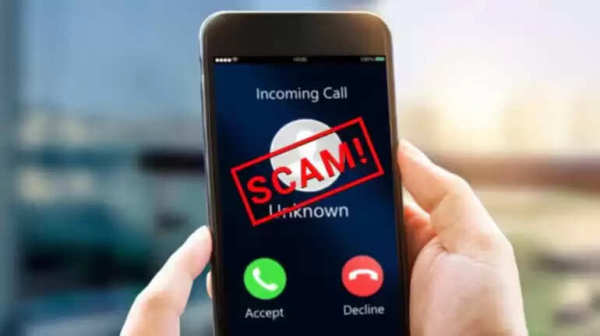
The Yes Scam is a type of voice-based fraud where scammers call people from unknown or spoofed numbers and ask very basic, innocent-sounding questions. These questions are designed to prompt the victim into replying with a clear “yes.”
Some commonly used questions include:
-
“Can you hear me clearly?”
-
“Is this [your name]?”
-
“Is now a good time to talk?”
Most people instinctively respond with “yes” without suspecting anything unusual. This is exactly what scammers want. Once you say “yes,” your voice is recorded without your knowledge.
How Scammers Misuse Your Voice
After recording your voice, fraudsters can misuse it in multiple ways. In many modern systems, voice authentication is used as a security measure for verifying identity. Scammers exploit this loophole by using your recorded “yes” as proof of consent or identity.
In extreme cases, this voice recording may be used to:
-
Authorise unauthorised bank transactions
-
Access customer service systems that rely on voice confirmation
-
Open fake accounts in your name
-
Apply for loans or financial products fraudulently
What makes this scam especially alarming is that no OTP, PIN, or suspicious link may be involved. The victim might not click on anything or share any personal details, yet still fall prey to fraud.
Why the Yes Scam Is So Dangerous
Unlike traditional scams that require victims to share sensitive information or click malicious links, the Yes Scam works silently. Many people may not even realise they have been targeted until money is withdrawn or suspicious transactions appear on their accounts.
Cyber experts point out that voice-based fraud is becoming more common as scammers adopt new technologies and exploit automated systems. Because the interaction feels normal and harmless, victims often lower their guard.
How to Protect Yourself From the Yes Scam
Staying safe from this type of fraud requires awareness and a few simple precautions:
1. Avoid Saying “Yes” to Unknown Callers
If you receive a call from an unfamiliar number, avoid responding with “yes,” “yeah,” or “ji.” Instead, use neutral responses such as:
-
“Who is calling?”
-
“What is this regarding?”
-
“Please explain why you’re calling.”
2. Do Not Share Personal or Banking Details
Never share sensitive information such as your bank details, Aadhaar number, PAN, OTPs, or card information over the phone—especially with unknown callers.
3. End Suspicious Calls Immediately
If a call feels suspicious or makes you uncomfortable, disconnect immediately. You are not obligated to continue any call that seems unclear or unverified.
4. Verify Before Responding
If the caller claims to be from a bank, telecom company, or government department, hang up and contact the organisation directly using their official customer care number.
5. Report Fraud Promptly
If you suspect that your voice has been misused or notice any unauthorised transaction, inform your bank immediately and report the incident to the cybercrime helpline without delay.
The Bottom Line
The Yes Scam is a reminder that cybercriminals no longer rely only on complex tricks. Sometimes, a single spoken word can be enough to cause serious damage. As digital fraud methods evolve, staying alert during even the most ordinary phone calls has become essential.
By avoiding casual responses to unknown callers, protecting your personal information, and reporting suspicious activity promptly, you can significantly reduce the risk of falling victim to voice-based scams. In the digital age, awareness is your strongest line of defence.