
People picking up eggs in UK supermarkets are being urged to check one small detail before they take them home. Eggs are a staple in most homes and are eaten in everything from breakfasts to cakes, but undercooked or raw eggs can carry salmonella if they haven't been properly handled.
The bacteria can cause food poisoning and be especially dangerous for babies, pregnant women, older people and anyone with a weakened immune system. Luckily, experts say there is one simple way to know whether your eggs are safe to eat even when runny.
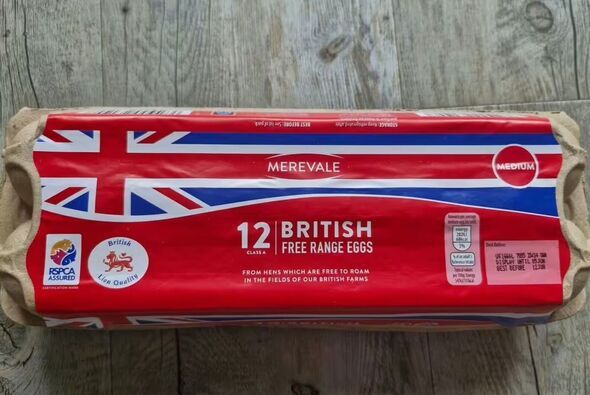
Shoppers are being urged to look for a tiny safety stamp called the British Red Lion mark.
The mark means the eggs were produced under the British Lion Code of Practice, which is the UK's main food safety scheme for egg production.
It guarantees that all hens laying Lion eggs are vaccinated against salmonella and that every egg is fully traceable back to the farm where it was produced.
More than 90% of the eggs sold in the UK now carry the Lion stamp, and the scheme has been credited with dramatically reducing cases of salmonella since it began in 1998.
Over 200 billion Lion eggs have been sold in that time. The stamp appears both on the packaging and on the shell itself, so it is easy for shoppers to spot.
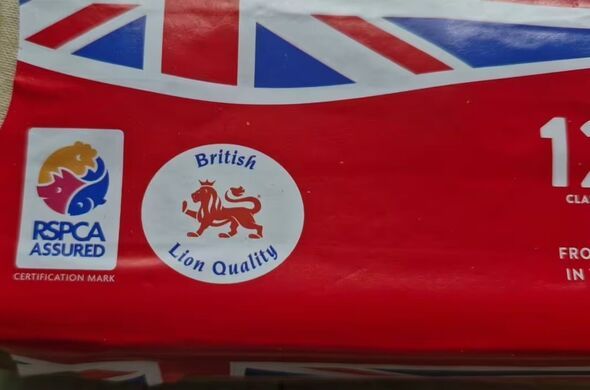
The Food Standards Agency says that British Lion eggs are safe to eat even when runny, which is something many families rely on when making soft-boiled eggs, homemade mayonnaise, mousses and other dishes that use raw or lightly cooked eggs.
Food Standards Scotland also explained why eggs remain an important part of the diet, while issuing clear safety advice.
It said: "Eggs are a good choice as part of a healthy, balanced diet. As well as being a source of protein they also contain vitamins and minerals.
"However, to avoid any risk of food poisoning from eggs it's important to store, handle and prepare them properly."
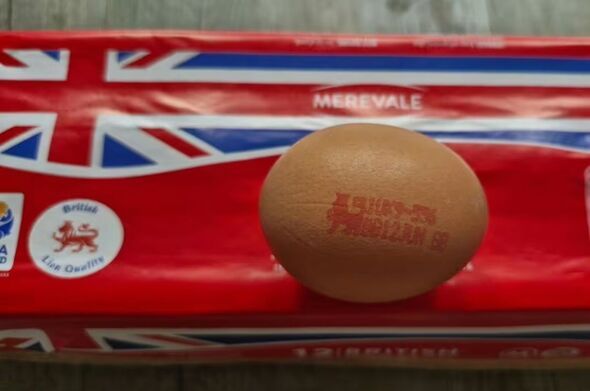
People in higher-risk groups are being advised to only eat raw or lightly cooked eggs if they are marked with the British Lion symbol or approved under the Laid in Britain assurance scheme.
Both schemes confirm the eggs have been produced to strict safety rules.
Shoppers are also being urged to follow simple hygiene steps such as washing hands and utensils thoroughly after handling eggs, throwing away any that have cracked shells, and keeping eggs in the fridge away from other foods.
Safety guidance from Food Standards Scotland also says that duck, goose and quail eggs should always be cooked thoroughly because they carry a higher risk of salmonella.
British Lion eggs are widely available in all major supermarkets including Tesco, Aldi, Lidl, Sainsbury's, Asda, Morrisons, Waitrose, Co-op, M&S and Iceland.