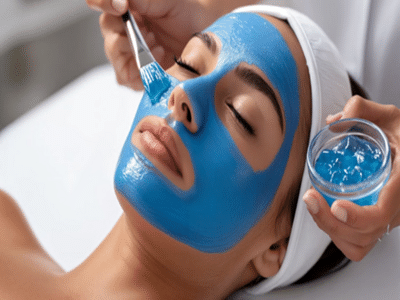
Best Face Packs for the Skin: Nowadays, everyone desires glowing and healthy skin. To achieve this, people use a wide variety of skincare products. Among these, face masks and face packs are the most frequently used items. While both face masks and face packs are beneficial for skincare, they serve different functions. Therefore, it is crucial to select the right product based on your specific skin type and needs.

When used correctly, both of these products can leave your skin clean, healthy, and radiant. However, people often mistake the two for being the same, despite their distinct functions and methods of application. If you are also unsure about the difference between them, this article will prove to be extremely useful for you. Let's explore the differences between face masks and face packs.
What is a Face Pack?
Face packs are typically formulated using natural or homemade ingredients. The primary objective of a face pack is to nourish the skin and regulate oil production. Common ingredients used in face packs include:
Multani Mitti (Fuller's Earth)
Besan (Gram Flour)
Turmeric
Yogurt
Sandalwood Powder
Benefits of Face Packs
Deeply cleanses the skin.
Helps control oily skin.
Aids in reducing pimples and acne.
Enhances the skin's natural glow.
What is a Face Mask?
A face mask is typically a ready-made skincare product that is easily available in the market. They come in various forms, such as:
Sheet Masks
Clay Masks
Gel Masks
Peel-off Masks
Face masks are used to hydrate the skin and provide an instant glow.
Benefits of Face Masks
Provides immediate hydration to the skin.
Restores radiance to dull skin.
Helps relax and soothe the skin.
Ideal for quick, instant skincare.
Key Differences Between Face Masks and Face Packs
Ingredients: Face packs are typically natural or homemade, whereas face masks are ready-made, manufactured products. **Purpose:** The objective of a face pack is to provide nourishment and control oil production, whereas a face mask aims to deliver hydration and a radiant glow.
Usage: A face pack can be used once or twice a week, whereas a face mask is applied as and when needed.
Skin Type: Face packs are best suited for those with oily or acne-prone skin. Face masks, on the other hand, are ideal for all skin types.
Which is better for your skin?
This depends on your specific skin type. If you have oily skin, a face pack is more beneficial. If you have dry skin, a face mask is a better choice. Those with combination skin can use both.
Skincare Expert Tip
If you use a face pack once a week and a face mask occasionally, you can maintain skin that is both healthier and more glowing.
PC Social Media