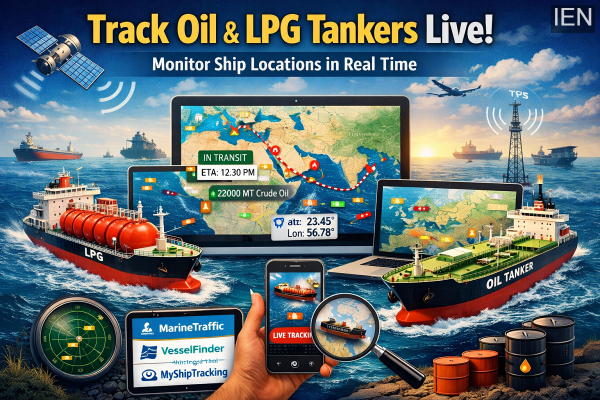
With rising tensions in West Asia and concerns over global oil and LPG supply, many people are now curious about where fuel-carrying ships are located and when they will arrive. What once required specialized systems is now easily accessible—thanks to modern digital tracking platforms.
Today, anyone can track oil tankers, LPG carriers, and cargo ships in real time using online tools. Here’s a complete guide on how ship tracking works and how you can monitor vessels live from your device.
How Ship Tracking WorksMost modern ships are equipped with a system called Automatic Identification System (AIS). This technology continuously broadcasts key information such as:
-
Ship’s location (GPS coordinates)
-
Speed and direction
-
Destination and estimated arrival time
This data is transmitted via satellites and ground-based receivers. Various platforms collect and display this information on interactive maps, allowing users to track ships globally.
To find a specific vessel, you can search using:
-
Ship name
-
IMO number
-
MMSI number
MarineTraffic is one of the most widely used platforms for real-time vessel tracking.
Key Features:-
Interactive global map with live ship positions
-
Detailed ship information (type, speed, route, destination)
-
Search by ship name or ID
-
“My Fleet” feature to track selected ships
-
Alerts for arrivals and departures
You can simply click on any ship icon on the map to view complete details.
2. VesselFinder: Free and Detailed TrackingVesselFinder is another powerful tool that tracks over 200,000 vessels worldwide.
What You Get:-
Real-time ship location
-
Flag, vessel type, and route details
-
Estimated Time of Arrival (ETA)
-
Historical route tracking
It is available both as a website and mobile app, making it easy to track ships on the go.
3. MyShipTracking: Easy-to-Use GPS-Based TrackingMyShipTracking also uses AIS data to provide live updates on ships across the globe.
Highlights:-
Real-time GPS location
-
Speed (SOG) and direction (COG)
-
Filter ships by type (tankers, cargo, yachts)
-
Port information and vessel schedules
This platform is particularly useful if you want to monitor port activity or track multiple vessels at once.
Why Ship Tracking Matters NowWith geopolitical tensions affecting key routes like the Strait of Hormuz, tracking oil and LPG shipments has become more important than ever.
Real-time tracking helps:
-
Understand supply chain movements
-
Estimate delivery timelines
-
Monitor global energy logistics
-
Stay informed about potential delays
For businesses and individuals alike, this transparency is extremely valuable.
How You Can Start TrackingGetting started is simple:
Visit any of the above platforms
Use the search bar to enter the ship’s name or ID
View its live position on the map
Click on the vessel for detailed information
You can also create a free account on some platforms to receive alerts and track specific ships continuously.
Final TakeawayThanks to advanced tracking technology and digital platforms, monitoring oil and LPG tankers is no longer limited to experts. Anyone with internet access can now follow global shipping movements in real time.
Whether you’re tracking fuel supply routes or simply curious about maritime activity, these tools provide a powerful and easy way to stay updated.
Pro TipSave your favorite ships or routes to get instant alerts and never miss important updates on global fuel shipments. 🚢📍