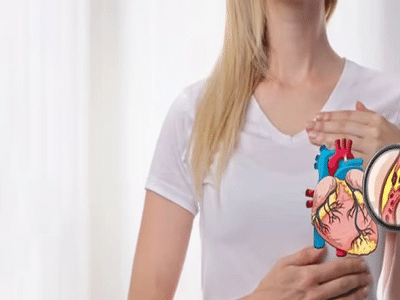
Our bodies send signals when something goes wrong. Recognizing these signals early can help prevent serious illnesses. Coronary artery disease is one of the most common heart problems worldwide. In this condition, the blood vessels that supply oxygen to the heart don't function properly.
Heart arteries don't become blocked suddenly. This process, called atherosclerosis, progresses gradually. Fat builds up inside the blood vessels. When fat builds up in the blood vessels, it doesn't cause many symptoms.
This problem begins to appear after a few days. The first symptom is chest pressure or pain. Difficulty breathing during daily activities or swelling in the legs can also be signs of heart problems.
Why do blockages form?
According to experts, the main cause of blockage is plaque. This is a layer of cholesterol, fat, calcium, and other elements that accumulates on the walls of blood vessels. This reduces blood flow and prevents the body from getting enough oxygen. There are several reasons behind this.
What are the causes?
Elevated bad cholesterol (LDL), low good cholesterol (HDL), high blood pressure, smoking, and diabetes all damage blood vessels and accelerate plaque formation.
As plaque builds up, blood supply is further reduced and the heart is put under more strain. Sometimes, when this plaque ruptures, blood clots form. This increases the risk of heart attack or stroke.
How do you recognize its symptoms?
In the early stages, symptoms may include chest tightness or pain, shortness of breath even after a short walk, and unexplained fatigue. Sometimes, the pain may spread to the shoulder, arm, or jaw. Dizziness or an irregular heartbeat may also be signs.
Blockages in different parts of the body can feel different. If it's related to the heart, symptoms like chest pain and sweating may appear; if it's affecting the brain, it may cause deafness or difficulty speaking; and if it's in the legs, it may cause pain while walking and neck weakness.
What's the solution?
Several factors play a role in this problem. High blood pressure, high cholesterol, obesity, an unhealthy lifestyle, aging, and family history increase the risk. However, this risk can be reduced with a proper diet, regular exercise, and regular checkups.
The correct diagnosis can be made by performing appropriate tests. These include blood tests, ECG, stress tests, echocardiograms, angiography, and CT scans. These tests assess the condition of the blood vessels.