In a small 6-by-6-foot shop at Global Village, the creativity, heritage, and dedication of over 350 families from the eastern towns of the UAE come to life. From handmade incense burners and embroidered jalabiyas to organic ghee, finely blended spices, and traditional perfumes, every item reflects generations of craftsmanship and culture.
At the heart of this initiative is Ghars Centre for Social Empowerment, a social welfare organisation that not only helps these families market their products but also trains them to refine their skills, ensuring they produce high-quality handmade goods.
Established under the vision of Sheikh Hamad bin Mohammed Al Sharqi, Ruler of Fujairah, and closely followed by Saeed bin Mohammed Al Ragbani, the centre has helped many artisans turn their inherited skills into sustainable businesses.
“Our objective is to empower productive families and develop their projects in line with UAE’s heritage and culture. We support these families from Dibba Al Fujairah, Masafi, and other eastern towns, helping them generate a stable income through their traditional crafts,” said Hend Alhamoudi, a representative from Ghars Centre.
Handmade Emirati treasureThe families working with Ghars produce over 200 different types of products, all crafted using traditional techniques passed down through generations. One of the most sought-after items is flavored Emirati coffee (Gahwa). Families source coffee beans, roast them differently, grind them into powder, and mix them with traditional ingredients before packaging them for sale.
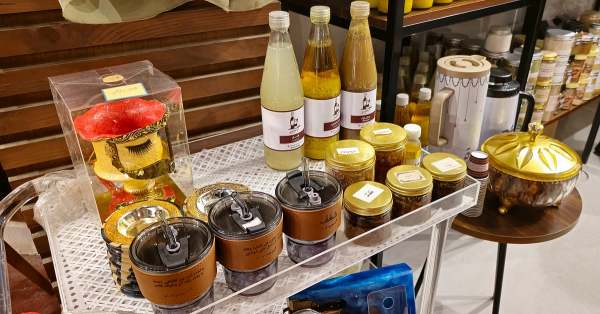
Another popular product is handcrafted herbal tea, made with completely natural ingredients. Many customers also look for homemade pickles, which include lemon, beetroot, brinjal, and mango. These are made using age-old family recipes and have been in production for generations.
“The pickles and spice blends by these families are special because they are made at home, without preservatives, using recipes that have been passed down for decades. Many customers appreciate the authenticity and taste,” said Alhamoudi.
Incense burners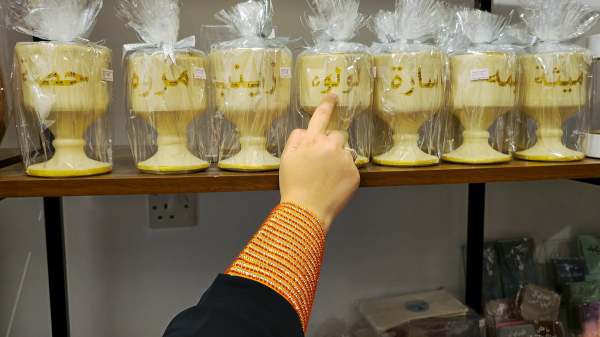
The incense burners created by these families are also a highlight. Made from clay, these burners are decorated with intricate paintings and embroidery. Customers can even request custom designs, including their names or poetic inscriptions.
PerfumesPerfume-making is another heritage craft supported by Ghars. Families extract and blend fragrances using techniques that have been used for centuries, creating natural, handcrafted Arabic perfumes. Many of these perfumes are used in special occasions and religious rituals.
Handcrafted items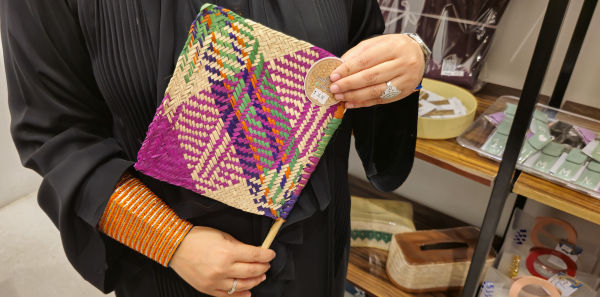
Handwoven prayer mats are another specialty. These mats are made from different materials, including jute, tree bark, cotton, and velvet. Some are packaged into special Ramadan gift sets, which include prayer beads, garments, and perfume.
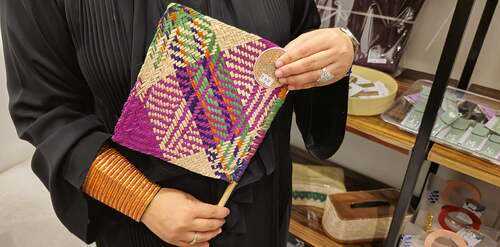
Families also weave date palm leaves into gift boxes, mobile covers, tissue boxes, and hand fans. These home decor and gift items are often purchased as souvenirs.
“Every product these artisans make carries a piece of our history. When people buy these handmade crafts, they are not just purchasing an item. They are taking home a piece of UAE’s heritage,” said Alhamoudi
A few local artisans also customize souvenirs such as fridge magnets, glass water bottles, and teacups. These products are hand-painted with traditional designs, sceneries, or customer provided photos
Traditional clothesThe centre also supports families who create prayer outfits, embroidered jalabiyas, abayas, and other traditional dresses. Many of these garments are customised with embroidery, paintings, and stonework.
Organic, traditional foodFor those interested in traditional food, organic ghee and spices are among the best-selling products. Some families use secret family recipes to make pure, organic Arabic ghee, while others produce high-quality homemade spices, blending flavors that have been perfected over generations.
Other traditional food items include vinegar, lime juice, and Mahyawa, a fermented fish sauce. These are crafted using methods that date back hundreds of years and remain a staple in many Emirati households.
Henna production is also an important craft. Some families grow henna plants in their backyards, dry the leaves, grind them into fine powder, and package them for sale. “These natural henna products are especially popular among Emiratis and tourists,” said Alhamoudi.
“The time required to produce these items varies. While some products, like incense burners and simple woven crafts, can be made in a day, intricate embroidery or customized orders can take up to five days or more,” added Alhamoudi.
From home to marketGhars Centre is not only helping families produce handmade goods, but it is also ensuring that their products reach a wider audience. The organization provides training on packaging, quality control, and marketing, helping artisans improve their craft and sell their products effectively.
“At Ghars, we ensure quality control and also help artisans develop their skills through specialized training. After that, we assist them in marketing their products, allowing them to take specialized courses in packaging and business promotion,” said Alhamoudi.
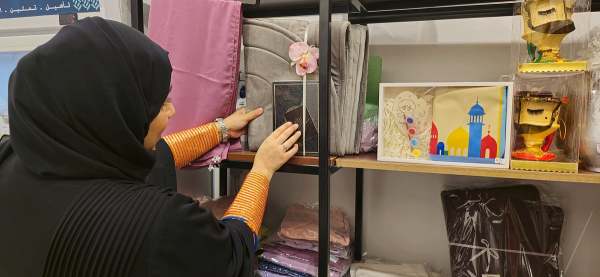
Currently, Ghars has a dedicated retail space at the 971 Pavilion in Global Village, where customers can purchase these handmade products. The organization has also partnered with DoubleTree by Hilton Fujairah, allowing artisans to showcase their goods in a premium setting.
Additionally, Ghars actively participates in various exhibitions and cultural events within and beyond Fujairah, providing artisans with more exposure.
“Many of the artisans we work with have been able to grow their businesses independently. Some have even started their own brands after gaining experience through Ghars,” said Alhamoudi.
Expanding beyond the UAEWith the rising demand for handmade, authentic Emirati products, Ghars Centre is now looking to expand its reach beyond the UAE.
“We are planning to open doors to other markets in the GCC and are also in the process of launching an e-commerce platform for online sales,” said Alhamoudi.
This move will provide even more opportunities for home-based artisans and allow UAE-made traditional products to reach global customers. Through its efforts, the centre is not just supporting local families, it is keeping UAE’s rich traditions alive.