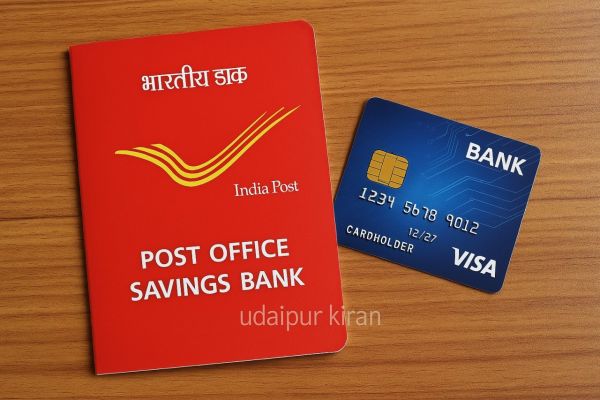
When it comes to opening a savings account, most individuals instinctively turn to banks. However, Post Office Savings Accounts offer several unique benefits that make them a strong contender, especially for those seeking higher interest returns, lower fees, and accessibility in rural areas.
If you’re confused between opening a Post Office savings account or a Bank savings accounthere’s a detailed comparison of features, benefits, and limitations to help you make an informed decision.
Post Office Savings Account: Ideal for Low-Maintenance, Rural-Friendly Banking
The Post Office Savings Accountbacked by the Indian government, offers a fixed interest rate of 4.0%which is higher than many banks that currently offer between 2.70% to 3.00% annually.
Key Features:
-
Interest Rate: Fixed at 4.0% per year.
-
Minimum Balance Requirement: Just ₹500.
-
Minimum Withdrawal: ₹50.
-
Checkbook Facility: Available upon formal request.
-
ATM Card: Issued, though usable only at select ATMs.
-
Mobile & E-Banking: Basic services available with some limitations.
-
Aadhaar Linking: Seamless process.
-
Access to Government Schemes: Easily enroll in APY, PMJJBY, PMSBYetc.
-
Widespread Reach: Excellent rural coverage with thousands of branches.
-
Low Charges: Minimal maintenance and transaction fees.
Best For:
Bank Savings Account: Best for Digital Convenience and Additional Financial Services
Bank savings accounts are ideal for those looking for a complete digital banking experienceaccess to credit and investment products, and widespread ATM usability.
Key Features:
-
Interest Rate: Between 2.70% to 3.00%variable across banks.
-
Minimum Balance: Typically ₹1,000–₹10,000 depending on the bank and account type.
-
ATM/Debit Card: Wide usability with cash withdrawal and UPI compatibility.
-
Mobile & Net Banking: Full-featured apps supporting UPI, bill payments, investments.
-
Linking Aadhaar/Pan: Fast and real-time.
-
Cheque Book: Issued without charge and quickly.
-
Value-Added Services: Fixed deposits, loans, mutual funds, credit cardsetc.
-
24/7 Customer Support: Via apps, helplines, and chatbots.
-
Urban and Semi-Urban Reach: Ideal for metro users.
Best For:
Side-by-Side Comparison: Post Office vs Bank
| Feature | Post Office Account | Bank Savings Account |
|---|---|---|
| Interest Rate | 4.0% (fixed) | 2.7%–3.0% (variable) |
| Minimum Balance | ₹500 | ₹1,000–₹10,000 |
| ATM Facility | Limited | Widely accepted |
| Digital Banking | Basic | Full-featured |
| Government Scheme Enrollment | Easy | Available |
| Rural Accessibility | High | Moderate |
| Customer Support | Limited | 24/7 available |
| Additional Financial Services | Limited | Extensive |
Conclusion: Which Account Should You Open?
-
Choose a Post Office Savings Account if you’re looking for a secure, low-cost savings option with better interest rates and rural accessibility.
-
Choose a Bank Savings Account if you prioritize digital features, comprehensive financial services, and ease of transactions.
Ultimately, your choice depends on your lifestyle, location, and financial needs.