The Resurgence of Assamese Films
The recent triumph of films such as Bhaimon Da and Bidurbhai has sparked renewed optimism within the Assamese film sector. After a prolonged period, audiences are once again flocking to theaters to enjoy regional cinema. However, as Jollywood strives for a significant revival, a subtle yet pressing issue arises — one that is not visible on the screens but rather at the ticket counters.
While narratives steeped in local culture are finally attracting viewers, the escalating costs associated with attending movies threaten to alienate the very audience these films aim to reach. For many families in Assam, a visit to the cinema has transformed from a simple weekend outing into a financial challenge.
Animesh Kalita, a resident of Jalukbari, shared his experience of a recent trip to a multiplex nearby. “I wanted to take my family of five to see Bhaimon Da, but the tickets at INOX set me back Rs 1,500. That’s quite a hefty sum for a middle-class household. Sure, there’s Pragjyotish Cinema Hall in Maligaon, but it’s in terrible condition,” he remarked.
Multiplexes like INOX and Grand Cines have become the go-to venues, yet for many, they remain financially out of reach. The older, more budget-friendly theaters that once served as cultural centers are either neglected or closed down.
The Financial Burden of Cinema
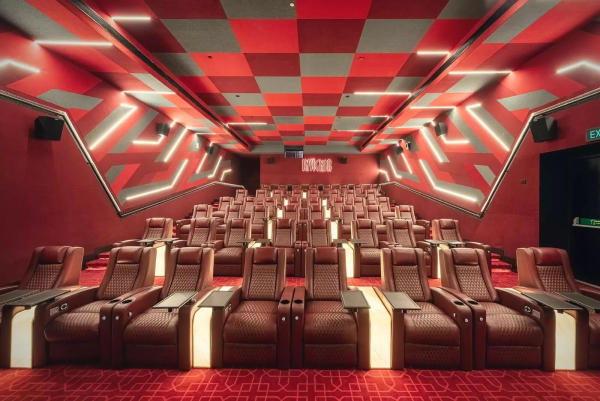
A file image of a multiplex in Guwahati (Photo: @sri50/ X)
Navadeep Barman, another Maligaon resident, echoed similar sentiments. “We used to frequent Pragjyotish Cinema Hall. Now, we have no option but to go to pricier locations. In my joint family, we always make it a point to watch good Assamese films together, but spending Rs 2,000 for a single screening is excessive,” he explained.
The situation is worsened by the lack of Assamese films on major OTT platforms. “If we miss the theatrical release, there’s no second chance. Unlike Bollywood or Hollywood films, Assamese movies seldom appear on Netflix or Prime,” Barman added.
This disparity in affordability not only risks distancing core audiences but also jeopardizes the sustainability of the industry’s revival. While filmmakers strive to bring regional stories to life, they now face a critical hurdle — ensuring their narratives reach viewers.
The Theatre Dilemma
The theatre conundrum
Sasanka Sameer, the director of Bhaimon Da, pointed out the dual challenges confronting Assamese cinema — inadequate theater infrastructure and steep ticket prices. “There are fewer than 70 cinema halls in Assam,” he noted, highlighting that residents from areas like Bokakhat often have to travel to other districts to catch a film, incurring additional time and travel expenses. He attributed the high ticket prices to the lack of competition among the limited number of theaters.
“With fewer cinema halls, there’s less competition, which drives up prices. To tackle this and bolster Assamese cinema, the state government should either construct more single-screen theaters like Aideo or impose ticket price caps for regional films shown in private multiplexes,” Sasanka suggested.
Dhanjit Das, director of Case tu Nagen, believes that reducing ticket prices for Assamese films could lead to packed screenings. He cited the success of his film in Tangla, where ticket prices ranged from Rs 70 to Rs 200, allowing it to run for two weeks.
“Some individuals have opened cinema halls solely to support Assamese films due to an emotional connection. However, over time, they are compelled to screen Bollywood films to remain viable. The government must implement policies that support local entrepreneurs and foster a self-sustaining ecosystem of regional cinemas. There’s a pressing need for more single-screen theaters,” Das remarked.
Government Initiatives and Future Outlook
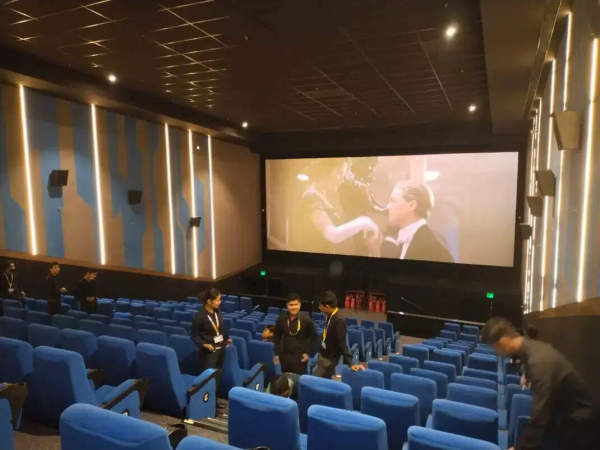
A file image of a multiplex in Guwahati (Photo: @guwahaticity/ X)
Chinmoy Sarma, owner of the Arunradha Cinema Complex, defended the current pricing structure, stating that their lowest ticket price is Rs 150 (including 18% GST), which comes with quality amenities like Dolby sound and reclining seats.
“We charge Rs 150, GST included, for the lowest-tier ticket,” Sarma explained. “With this, we provide Dolby sound, reclining seating, and other facilities. There are numerous halls — it’s up to the audience to decide where they wish to watch films.”
Government initiatives & future prospects
Simanta Shekhar, Chairman of the Assam State Film (Finance & Development) Corporation, outlined the state government’s initiatives to enhance the Assamese film ecosystem. He mentioned a new scheme aimed at subsidizing, renovating, and reviving cinema halls throughout the state — including those that had previously closed — to broaden the market for regional films.
“The government has already initiated several processes and schemes,” Shekhar stated, adding, “The objective is to renovate existing exhibitors and construct new cinema halls to create a larger marketplace for Assamese movies.”
Currently, Assam boasts around 130 screens, and Assamese filmmakers also have access to additional screens in metropolitan areas like Pune, Mumbai, Delhi, and Bengaluru to cater to the diaspora.
Regarding the anticipated Assamese OTT platform, Shekhar confirmed that it is in the works. “The Chief Minister has already announced that an OTT platform for Assamese content is on the way. It is expected to launch within two to three months.”
When asked about regulating ticket prices in private theaters, Shekhar clarified the limitations of government intervention. “As long as the cinema hall is a private entity, the government cannot set ticket prices — cinema is not classified as an essential service. However, acknowledging that people deserve access to quality entertainment, the government is constructing its own theaters. The first of these, Aideo Cinema Hall, offers multiplex-level facilities at just Rs 150.”