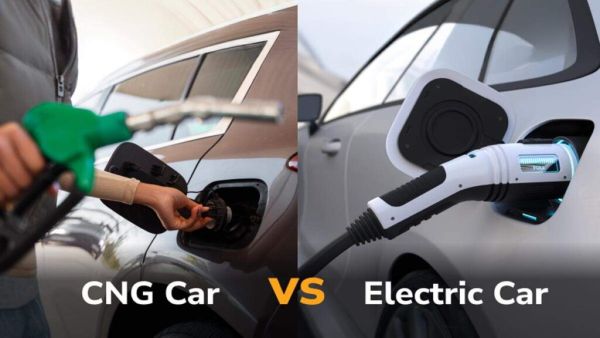
In 2025, rising prices of petrol and diesel in India have attracted vehicle buyers to environment-friendly and affordable options. Electric vehicles (EVs) and CNG (compressed natural gas) cars are at the forefront in this race. Both are cheaper and better for the environment than traditional fuel -powered vehicles. But the question is which option will be right for you – EV or CNG? Let us compare aspects such as cost, maintenance, and availability between the two in this article so that you can take an informed decision.
Cost saving: EV’s upper hand
When it comes to the cost of walking, the electric vehicles clearly win. The cost of charging at home, depending on the power tariff, comes to about 1 to 1.5 rupees per kilometer. On the other hand, the cost of CNG cars is around 2.5 to 3 rupees, which depends on the price and average mileage of CNG. If you cover long distances daily, EV can prove to be a more savings deal for you. For example, if you drive 50 km per day, EV can reduce your monthly expenses about 50% than CNG.
Initial cost: CNG prices attractive
CNG cars are more economical than EV in terms of initial costs. CNG variants of small hatchbacks such as Maruti Wagon R or Hyundai Aura are priced between Rs 7.5 to 9 lakhs. At the same time, small electric vehicles like Tata Tiago EV or MG Comat EV goes from 8.5 to 10.5 lakh rupees. Although EV has a higher price, the saving of fuel and maintenance in a long time reduces this difference. If your budget is limited and you want to invest less immediately, CNG cars may be a better option.
Maintenance: No answer to EV’s simplicity
Electric vehicles are one step ahead in terms of maintenance. EV does not require engine oil, clutch, or other complex mechanical parts, which reduces the cost of repair and servicing. On the other hand, CNG cars require regular servicing, filter checks, and mechanic maintaining, which can increase expenses over time. An average EV owner spends 30–40% less on annual maintenance, making it an affordable option for a long time.
Fuel Availability: Decision according to the region
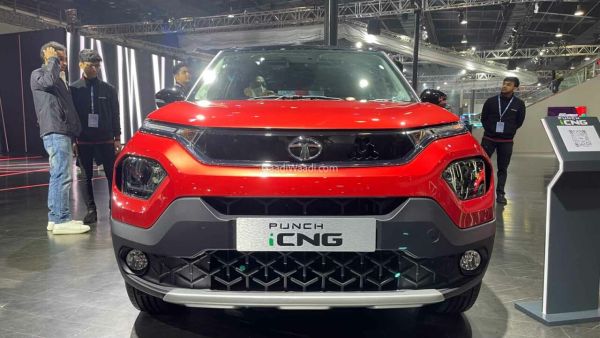
The availability of CNG stations is still limited in many cities and small towns, causing inconvenience to CNG car owners. In contrast, the number of charging stations for electric vehicles is increasing rapidly. Also, most people charge EV at their home or workplace, which makes it more convenient. However, if you live in the power shortage area or the charging stations are not near, CNG cars can be more practical.
Environment and Future: EV’s strong bets
Environmental awareness is increasing in 2025, and electric vehicles move towards a green future with zero emissions. CNG cars also perform less pollution than petrol and diesel, but they have more environmental effects than EV. If you prioritize the environment and the facility of charging is available in your area, then EV is a better option for you.
Final decision: dependent on your needs
The selection between EV and CNG cars in 2025 depends on your needs, budget, and regional conditions. If you want low running costs, low maintenance, and environment-friendly options, electric vehicles are ideal for you. At the same time, if you prioritize low early costs and availability of CNG stations, CNG cars are a sensible option. Assess your driving patterns, budget, and local resources, and then choose the option that is best suited for you.