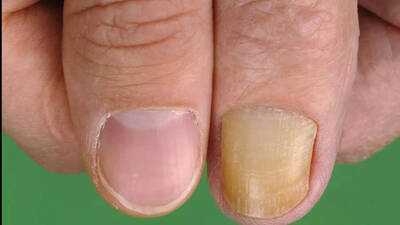
Your nails can reveal a great deal about your overall health, often acting as early warning signs of underlying conditions. Any changes in colour, texture, or thickness may point to deeper health concerns. For those living with diabetes, nail health requires extra attention. Yellow nails in diabetes can indicate poor blood circulation, high blood sugar, or fungal infection. Elevated glucose levels may cause chemical reactions that affect nail proteins, leading to discolouration and brittleness. In some cases, yellow or thickened nails might also suggest diabetic foot complications. Paying attention to these nail changes and practising proper diabetic nail care can help detect and prevent more serious issues early.
Why diabetes causes yellow nails: The role of glycation and fungal infections
People with diabetes are particularly prone to yellowing nails, and this can happen for several reasons. One of the main causes is the breakdown of sugar in the body and its effect on collagen in the nails. This chemical process, known as glycation, causes proteins in the nails to react with excess glucose, forming yellowish compounds called Advanced Glycation End Products (AGEs). According to , this kind of yellowing is generally harmless but can indicate prolonged high blood sugar levels.
However, yellow nails in diabetics can also point to fungal infections. Diabetes can impair the immune system and slow blood circulation, especially in the feet, making it easier for fungi to grow. The medical term for this condition is onychomycosis, which causes nails to turn yellow, thicken, and become brittle.
Other nail changes observed in diabetes
Besides yellowing, diabetes may cause various other nail and cuticle changes:
- Bluish nails: It may indicate poor oxygen levels or circulation issues.
- White lines: Often linked with zinc deficiency.
- Pitted or ridged nails: May result from protein or vitamin deficiencies, such as biotin.
- Redness or swelling around the nails: May be due to poor blood flow or infection (paronychia).
- Iron deficiency: Can cause pale, spoon-shaped nails (koilonychia).
Each of these symptoms highlights how vital it is to monitor your nails as part of your diabetic care routine.
Risks associated with yellow nails in diabetes
Yellow or thickened nails can cause discomfort while walking and make it more difficult to trim your nails properly. Sharp or thick edges might dig into your skin, increasing the risk of cuts or sores.
Diabetes-related nerve damage (neuropathy) can make it difficult to feel these small injuries. When left untreated, such wounds may become infected. Bacterial infections, in combination with poor blood circulation, can worsen quickly, in severe cases, leading to ulcers or even amputation.
How to treat yellow nails in diabetes
The right treatment depends on the underlying cause:
Treating fungal infections
- Doctors often recommend antifungal creams, nail lacquers, or oral medications, both considered safe for people with diabetes.
- Topical treatments may take months, as toenails grow slowly.
- Oral medications can accelerate recovery, but should always be used under medical supervision.
- After successful treatment, using antifungal powders or sprays can help prevent recurrence.
- New therapies such as laser treatment and photodynamic therapy are also showing promise.
- In very severe cases, a doctor may remove the infected nail surgically to prevent further spread.
How to prevent nail yellowing in diabetes
Beyond external care, diet and lifestyle play a significant role in maintaining healthy nails:
- Keep your blood sugar within target range as recommended by your doctor.
- Follow a low-glycaemic, nutrient-rich diet that includes protein, zinc, iron, and biotin.
- Stay hydrated and manage stress to support circulation and nail growth.
- Avoid prolonged use of nail polish or artificial nails.
- Practise good hand and foot hygiene to prevent infections.
Nail warning signs in diabetes that need immediate medical attention
You should consult your doctor if you notice:
- Persistent yellowing or thickening of nails
- Pain, swelling, or discharge around the nail
- Nails that lift from the nail bed
- Ulcers, blisters, or any wound on your feet that doesn’t heal
- Early diagnosis and treatment can prevent complications and preserve your foot health.
Disclaimer: This article is for informational purposes only and should not be considered medical advice. Please consult a healthcare professional before making any changes to your diet, medication, or lifestyle.
Also read |