The NHS has issued a warning to Brits who rely on glasses or contact lenses, alerting them to the risk of two common eye conditions they might not be aware of. Astigmatism, as explained by health officials, often results in "blurry vision."
This condition is typically managed with glasses or contact lenses, meaning people who wear these are more likely to have the eye issue. However, there's also a chance that those affected may have another condition closely linked to astigmatism.
In a bid to raise awareness about this, the NHS explained that having astigmatism means your eye is shaped more like a rugby ball than a football. The main symptoms of astigmatism are blurred vision, headaches and eye strain. You may notice this after concentrating for a long time, such as when using a computer.
- Discover the 'most magical' Spanish city with 19C winter weather
- UK households with PVC windows issued winter warning
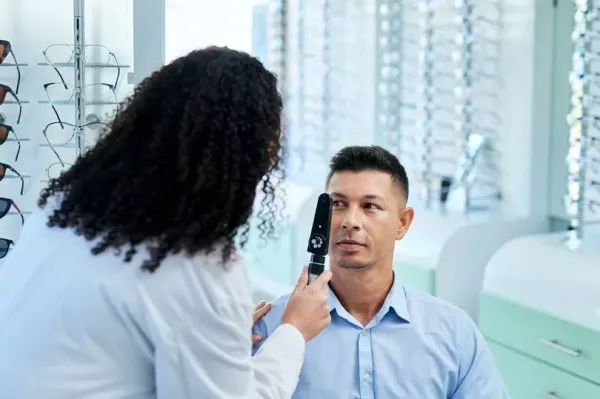
The NHS further explained that this rugby shape causes light to focus at multiple points within the eye. While this condition doesn't always need treatment, professionals have outlined several measures that can help, including wearing glasses, using contact lenses, and even undergoing laser surgery.
Of course, these options aren't suitable for everyone, and each comes with its own set of pros and cons, reports the Daily Record.
GlassesPros
- the cheapest option
- may be available free or discounted on the NHS
Cons
- could get lost or broken
Pros
- choice of soft or hard lenses
- can be a good choice if you're active
- may be free or discounted on the NHS
Cons
- may not be suitable for everyone
- risk of eye infection through poor contact lens hygiene
Pros
- may be permanent
- may be better for people with more severe vision problems
Cons
- risk of complications during or after surgery
- not available on the NHS
- can be expensive
- possible side effects
Astigmatism often coexists with short-sightedness or long-sightedness. When it affects only one eye, it can sometimes lead to a lazy eye, which develops when vision doesn't form properly.
When was your last eye test?
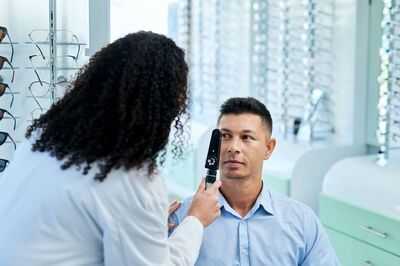
The NHS advises that if you are experiencing astigmatism symptoms or haven't had an eye check in two years, you should book an appointment with your optician.
The health service warns that astigmatism can be linked to an eye condition called keratoconus. Therefore, it's essential to undergo regular eye tests.
What is keratoconus?Specsavers UK said: "Keratoconus happens when the cornea (the round, clear front part of the eye) starts to weaken and thin at its centre, causing it to become irregular (or coned) in shape. Eventually, this prevents the eye from focusing properly, which causes poor vision."
Keratoconus often affects both eyes, and the symptoms can differ from person to person. In its early stages, keratoconus symptoms can include:
Mild blurring or vision
Slightly distorted vision, with some parts clear and some parts blurry
Increased sensitivity to light and glare
In a small number of cases, keratoconus continues to progress. Symptoms include:
Very blurry and distorted vision
Eye pain
Increased near‑sightedness or astigmatism
Not being able to wear contact lenses, as they no longer fit properly
During the early stages, your optometrist may suggest glasses or contact lenses as a treatment option. However, if the condition worsens, you may need to be referred to a corneal specialist for further treatment options based on its severity.
Can I get a free NHS eye test?You're entitled to a free NHS sight test if you:
- are under 16
- are 16, 17 or 18 and in full-time education (this includes being taught full-time at a school, college, university or at home)
- are 60 or over
- are registered as partially sighted or blind
- have been diagnosed with diabetes or glaucoma
- are 40 or over and your mother, father, sibling or child has been diagnosed with glaucoma
- have been advised by an eye doctor (ophthalmologist) that you're at risk of glaucoma
- are a prisoner on leave from prison
- are eligible for an NHS complex lens voucher – your optician can advise you about your entitlement
- are entitled to or named on a valid NHS certificate for full help with health costs (HC2)
You're also entitled if you or your partner – including civil partner – receive, or you're under the age of 20 and the dependant of someone receiving:
- Income Support
- Income-based Employment and Support Allowance
- Income-based Jobseeker's Allowance
- Pension Credit Guarantee Credit
- Universal Credit and meet the criteria
People named on an NHS certificate for partial help with health costs (HC3) may also get help with the cost of a private sight test.
You can find out more about whether you are entitled to a free NHS eye tests and optical vouchers here.