The Right Diaper Routine for Indian Babies: How Often to Change and Expert Hygiene Tips
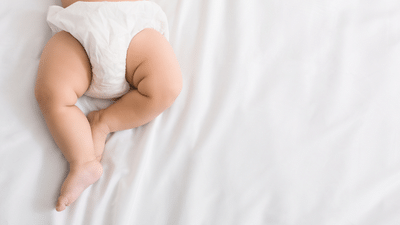
When you become a parent, you quickly discover new routines and ways to care for your baby. Changing diapers is one of the most frequent and essential tasks. While it might seem simple, knowing the right timing can make a big difference for your baby's health and comfort.
A baby’s skin is incredibly delicate. Leaving a soiled diaper on for too long can cause rashes, infections, and discomfort. On the other hand, changing too frequently may disturb their rest or even cause skin dryness. The key lies in finding a healthy balance.
Let’s look at what experts suggest and how things like the Indian climate and daily life can affect how often you change diapers.
Understanding the BasicsBabies pass urine and stool far more often than adults. In the first few months, their bladder control is still developing. This means:
How Often Should You Change a Diaper?
There’s no universal number—it depends on age, feeding, and even the weather. However, as a general guideline:
🍼 For Newborns (0–3 months)
👶 For Infants (3–12 months)
🌙 During Night-time
Factors That Influence Diaper ChangesEvery baby’s needs differ slightly. Recognising these factors will help you decide when to change diapers.
1. Weather Conditions
2. Diet and Feeding
3. Type of Diaper Used
4. Baby’s Skin Sensitivity
Signs That Indicate It’s Time for a ChangeEven if you’re unsure, your baby’s diaper often “tells” you when it’s time. Watch out for:
Step-by-Step: Making Diaper Changing EasierDiaper changes can be nurturing and bonding moments. Keep the process comfortable and hygienic:
Preventing Rashes NaturallyRashes are among the most common concerns for new parents. Some natural and simple ways to prevent them include:
Creating a Comfortable RoutineA steady routine helps your baby feel secure and keeps the household peaceful.
Try this simple schedule:
Changing diapers shows your love and care. For Indian parents, it’s important to adjust to the climate, pay attention to their baby’s signals, and keep things clean. Change diapers every 2 to 4 hours, based on your baby’s age, the weather, and how wet the diaper is. Focus on gentle cleaning, good skin care, and giving your baby some time without a diaper.
Whether you’re pregnant, a new mom, or navigating postpartum, you don’t have to do it alone. Join our support group to connect, share, and support one another.
FAQs on The Right Diaper Routine for Indian Babies: How Often to Change and Expert Hygiene Tips
How can I tell if my baby’s diaper is too tight?
Check for red marks around the waist or thighs after removal. A properly fitted diaper should stay secure without leaving imprints. Adjust the tabs or choose a larger size if needed.
Can I use baby powder to prevent rashes?
It’s best to avoid baby powder. Fine particles can irritate the skin and cause breathing issues. Use a light, protective rash cream instead.
How many diapers does a newborn typically use in a day?
Newborns may need 8–10 changes daily since they pass urine frequently. As they grow, this number gradually reduces to 5–6 changes per day.
A baby’s skin is incredibly delicate. Leaving a soiled diaper on for too long can cause rashes, infections, and discomfort. On the other hand, changing too frequently may disturb their rest or even cause skin dryness. The key lies in finding a healthy balance.
Let’s look at what experts suggest and how things like the Indian climate and daily life can affect how often you change diapers.
Understanding the BasicsBabies pass urine and stool far more often than adults. In the first few months, their bladder control is still developing. This means:
- Newborns (0–3 months) may urinate every 1–3 hours and pass stool several times a day.
- Infants (3–12 months) might urinate every 3–4 hours, and bowel movements tend to reduce to once or twice daily.
How Often Should You Change a Diaper?
There’s no universal number—it depends on age, feeding, and even the weather. However, as a general guideline:
🍼 For Newborns (0–3 months)
- Change diapers every 2–3 hours or immediately after bowel movements.
- Limit night changes if the diaper is clean and your baby sleeps well.
- Always check during feeding breaks.
👶 For Infants (3–12 months)
- Change diapers every 3–4 hours or when you notice fullness or dampness.
- During hot, humid Indian summers, more frequent changes may be necessary to prevent rashes.
- At night, use an absorbent diaper, but still check your baby at least once if they wake up.
🌙 During Night-time
- Try to minimise unnecessary disruptions, but never let a dirty diaper stay overnight.
- If only wet (and not heavy), it can be changed once during a feed.
- For stool, always change immediately—regardless of time.
Factors That Influence Diaper ChangesEvery baby’s needs differ slightly. Recognising these factors will help you decide when to change diapers.
1. Weather Conditions
- Hot and humid climates (common across India) make babies sweat more, increasing the risk of rashes. Change more often during these months.
- Cold weather may make you hesitant to undress the baby, but cleanliness still comes first. Ensure a warm room during changes.
2. Diet and Feeding
- Breastfed babies usually have more frequent bowel movements.
- As solid foods are introduced, stool patterns change, so monitor closely for any irritations.
3. Type of Diaper Used
- Cloth diapers require more frequent changes; roughly every 2 hours.
- Disposable ones may last longer, but should still be checked regularly.
4. Baby’s Skin Sensitivity
- Some babies get rashes even with frequent changes. Keep a consistent skincare routine and consult a paediatrician if redness persists.
Signs That Indicate It’s Time for a ChangeEven if you’re unsure, your baby’s diaper often “tells” you when it’s time. Watch out for:
- A visibly heavy or sagging diaper
- Dampness when touched
- Fussy behaviour or crying without any other apparent reason
- A faint odour of ammonia (urine smell)
- Red or irritated skin around the nappy area
Step-by-Step: Making Diaper Changing EasierDiaper changes can be nurturing and bonding moments. Keep the process comfortable and hygienic:
- Prepare in advance – keep everything ready: a clean diaper, wipes or a soft cloth, mild rash cream, and a clean surface.
- Clean gently – Use soft cotton or unscented wipes to clean the area thoroughly. Wipe front to back.
- Allow air time – Let the area dry for a minute before putting on a new diaper.
- Apply a protective layer – A mild barrier cream prevents irritation.
- Ensure snug fit – The diaper should be secure but not tight.
Preventing Rashes NaturallyRashes are among the most common concerns for new parents. Some natural and simple ways to prevent them include:
- Frequent air breaks: Let your baby go diaper-free for a few minutes daily.
- Loose clothing: Avoid tight clothes that trap moisture.
- Mild cleansers: Stick to warm water or unscented wipes.
- Natural fabrics: Choose cotton nappies or liners if you prefer reusable options.
- Stay alert: If redness persists for more than 2 days, consult a paediatrician.
Creating a Comfortable RoutineA steady routine helps your baby feel secure and keeps the household peaceful.
Try this simple schedule:
- Morning: Change after the first feed.
- Midday: Check every 2–3 hours.
- Evening: One change before bedtime.
- Night: One light check during a feed or if the baby wakes.
Changing diapers shows your love and care. For Indian parents, it’s important to adjust to the climate, pay attention to their baby’s signals, and keep things clean. Change diapers every 2 to 4 hours, based on your baby’s age, the weather, and how wet the diaper is. Focus on gentle cleaning, good skin care, and giving your baby some time without a diaper.
Whether you’re pregnant, a new mom, or navigating postpartum, you don’t have to do it alone. Join our support group to connect, share, and support one another.
FAQs on The Right Diaper Routine for Indian Babies: How Often to Change and Expert Hygiene Tips
Check for red marks around the waist or thighs after removal. A properly fitted diaper should stay secure without leaving imprints. Adjust the tabs or choose a larger size if needed.
It’s best to avoid baby powder. Fine particles can irritate the skin and cause breathing issues. Use a light, protective rash cream instead.
Newborns may need 8–10 changes daily since they pass urine frequently. As they grow, this number gradually reduces to 5–6 changes per day.
Read more