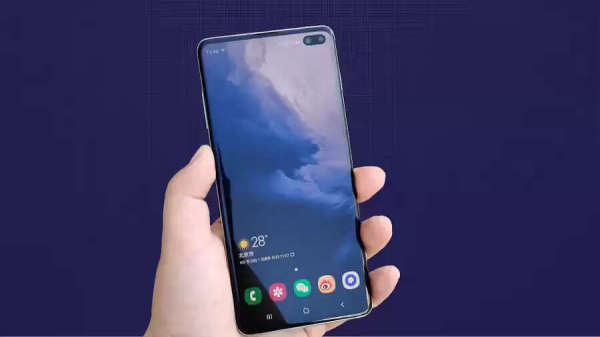
Curved screen phones were once a huge hit. Even now, phones with curved displays are available in the market, but their popularity has waned.
When curved displays were first introduced in smartphones, they became a sensation. These sleek displays were considered futuristic, but the trend soon faded. Phones with curved displays are more aesthetic and offer a larger viewing area, but their popularity is now waning. So, if you're planning to buy a phone with a curved display, it's important to understand its pros and cons.
What is a curved display?
As the name suggests, phones with curved displays have screens that curve around the edges. This provides a dynamic and immersive viewing experience. These phones often use OLED technology, which allows the screen to remain thin and flexible. Previously, such displays were only available on flagship devices, but now they are available even in affordable models.
Advantages of Curved Displays
Phones with curved displays are more aesthetically pleasing and are popular with many users. This gives the phone a premium touch, enhancing its overall look.
Curved displays offer a larger viewing area, making watching videos, playing games, and browsing the web a delight.
This display also helps provide additional features. Many companies use the curve to display side notifications and shortcuts, such as music controls.
The curve provides a better grip for the user, reducing the risk of the phone slipping from their hands.
Disadvantages:
- Curved screens are more prone to damage. If the phone slips from your hand and falls, there's a risk of the screen breaking.
- Phones with curved displays are more prone to accidental touches. This means you don't intend to touch the screen, but touching the edge can open an app or trigger another action.
- Protecting a curved screen with a screen protector is difficult because standard protectors aren't designed for curved screens. This leaves some gaps on the screen, making it vulnerable to damage.