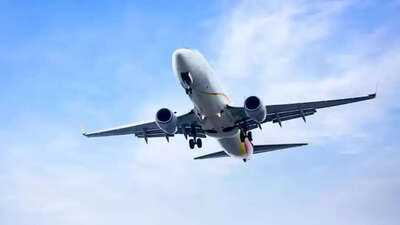
While flying, you may have noticed the city lights twinkling below as your plane prepares to land, only to find it circling in the air. This situation often raises concerns among passengers about potential issues.
However, in most instances, this circling is not indicative of a problem; rather, it is a standard procedure related to safety and air traffic management. Known as a "holding pattern," this maneuver occurs when a plane is temporarily unable to land and must circle until it receives clearance. This process is entirely routine and is designed to ensure that aircraft land in an orderly fashion while maintaining safe distances from one another.
Let’s delve into the various reasons that lead to planes circling before landing.
Weather Conditions
Adverse weather is a frequent cause of delays. Heavy rain, fog, or strong winds can significantly reduce visibility, making landings hazardous. In such cases, air traffic control may direct planes to remain airborne until conditions improve, allowing pilots to adapt and ensuring a safe landing.
Emergencies
Occasionally, emergencies arise involving other aircraft, such as technical failures or medical situations. During these instances, the airport's operations prioritize the affected aircraft, causing other flights to either wait or circle until the emergency is resolved.
Air Traffic Congestion
At busy urban airports, planes are constantly taking off and landing. This high volume can create a traffic jam in the air, requiring pilots to wait for landing slots from air traffic control while they maintain a holding pattern until it is safe to land.
Technical or Operational Delays
Delays can also occur on the ground. If a gate is not yet available, there may be an obstruction on the taxiway, or ground crews might need additional time to prepare. In these situations, pilots are instructed to stay in the air until the airport is ready for the next landing.
Arriving Early
Timeliness is critical in aviation. Sometimes, a plane arrives ahead of schedule, but its designated landing slot is not yet open. In such cases, the pilot may be directed to circle until it is time to land. Although this delay is usually brief, it helps to avoid congestion on the ground.
Runway Availability
There are times when a runway is occupied by another aircraft or undergoing maintenance. In emergencies, other planes must remain airborne until the runway is clear and safe for landing.
Therefore, the next time your flight circles before landing, there’s no need for alarm. This is a standard and safe procedure in aviation.
PC Social Media