In India, credit evaluation plays a crucial role in determining both individual and business borrowing capacity. While most people are familiar with personal credit scores, fewer understand the importance of commercial credit or CIBIL reports for businesses.
With lenders increasingly relying on both personal and commercial credit data, understanding the difference between these two types of reports is essential, especially when applying for a business loan or assessing financial risks.
This article explains the distinction between a personal CIBIL score and a Commercial CIBIL reporthow they are generated, and why both matter for borrowers and enterprises.
CIBIL Reports and Credit Evaluation
TransUnion Credit Information Bureau (India) Limited (CIBIL) is India’s oldest and one of the most widely used credit bureaus. It collects financial data from lenders to generate credit reports for both individuals and businesses.
- Personal CIBIL Score: Used for evaluating an individual’s credit history, repayment behaviour, and overall creditworthiness.
- CIBIL Commercial Report (CCR): Used to assess the creditworthiness of a business entity, including companies, partnerships, LLPs, and proprietorships.
Both reports help lenders assess repayment capacity, risk levels, and loan eligibility. However, they differ significantly in structure, data sources, and scoring methods.
What a Personal CIBIL Score Represents
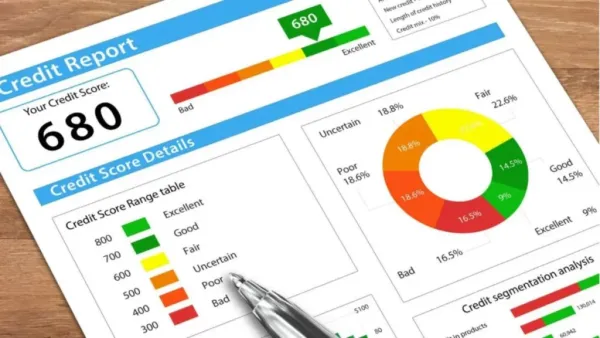
A personal CIBIL score is a three-digit numeric score ranging from 300–900, representing an individual’s credit history and repayment behaviour. It includes details such as:
- Personal identity information
- Consumer loans and credit card history
- Repayment patterns, delinquencies, and defaults
- Credit utilisation ratio
- Number of loan applications and inquiries
Individuals with a higher score (typically 700 and above) have a better chance of being approved for personal loans, credit cards, and even business loan applications when they are self-employed, sole proprietors, or fall within the lending criteria of financial institutions.
What a Commercial CIBIL Report Represents
A CIBIL commercial report provides a detailed financial profile of a business entity rather than an individual. It typically includes:
- Company demographics (ownership, structure, registration details)
- Banking relationships with various institutions
- Credit facilities availed (cash credit, term loans, working capital limits)
- Repayment history and overdue amounts
- Legal cases, suits filed, and wilful default records
- Financial indicators like turnover, credit exposure, and sanctioned limits
Unlike personal credit scores, commercial reports include a CIBIL rank or Company Credit Report rating, which helps lenders evaluate lending risk for business loans.
Key Differences in Data Sources and Information Collected
1. Source of Credit Information
- Personal: Consumer loan accounts, credit card issuers, retail lending institutions
- Commercial: Corporate loan accounts, working capital statements, trade credit, business banking relationships
2. Type of Borrower
- Personal: Individuals
- Commercial: Companies, LLPs, partnerships, and proprietorships
3. Data Complexity
- Personal: Focuses primarily on individual repayment patterns and borrowing behaviour
- Commercial: Includes operational risks, financial statements, banking limits, and business credit behaviour
4. Additional Factors
CIBIL commercial reports may also include details like director information, group exposures, and compliance issues – none of which appear in personal CIBIL reports.
How Personal and Commercial Reports Are Scored Differently
Personal CIBIL Score
- Standardised score between 300–900
- Based on repayment consistency, credit utilisation ratio, length of credit history, credit mix, and number of recent credit enquiries
CIBIL Commercial Report & CMR
Business entities receive a CIBIL Rank, generally from 1 to 10, where 1 indicates the lowest probability of default.
CIBIL Rank is primarily driven by:
- Days Past Due (DPD) history
- Credit utilisation across working capital and term facilities
- Repayment behaviour across all lenders
- Exposure concentration across lending institutions
- Vintage of credit relationships and business operations
Note: While lenders also review company financial statements, the rank itself is based on bureau data only, not financial ratios.
Thus, while the personal score is a numerical grade of individual behaviour, a CIBIL commercial report evaluates the business’s operational strength, financial discipline, and overall creditworthiness.
Use Cases: When Lenders Refer to Personal vs Commercial Credit Information
Lenders typically refer to:
Personal CIBIL score when:
- An individual applies for a personal loan, a two-wheeler loan, a loan against property (LAP), etc
- Small business owners or sole proprietors borrow in their own name
- Issuing credit cards or consumer finance loans
CIBIL Commercial Report when:
- Corporations, SMEs, and registered entities apply for business loans or working capital facilities
- Financial institutions evaluate trade credit or invoice financing
- Lenders assess business cash flows before sanctioning limits
- Institutions monitor the repayment behaviour of registered businesses for ongoing credit facilities
A large business is generally evaluated using a commercial report, while small entrepreneurs and proprietors may be assessed on both personal and commercial profiles.
Impact of Each Report on Loan Eligibility and Borrowing Capacity
Personal Score Impact
- A low personal CIBIL score can lead to loan rejection or higher interest rates, even if the business itself is strong.
- A strong personal credit profile reinforces the borrower’s repayment capacity.
- Directly affects interest rates for personal loans and proprietor-led business loan applications.
Commercial Report Impact
- Helps determine business loan sanctions, interest rates, and co-applicant/guarantor requirements.
- Poor commercial repayment behaviour directly reduces business funding options.
- Influences vendor credit terms, supplier trust, and trade relationships.
For many MSMEs, both personal and commercial credit profiles together shape overall borrowing capacity.
Common Misconceptions About Business vs Personal Credit Profiles
Myth 1: Personal credit score doesn’t impact business borrowing
→ Many lenders will still check the owner’s or key applicant’s personal CIBIL score, especially for MSMEs and proprietorships.
Myth 2: All businesses automatically have a CIBIL Commercial Report
→ Only businesses with a credit history reported to Credit Information Bureau (India) Limited (CIBIL) get a commercial credit profile.
Myth 3: A strong business score can compensate for a poor personal score
→ Not always. Lenders may require both profiles to be satisfactory, especially for unsecured or high-value credit facilities.
Why Businesses Need to Monitor Their CIBIL Commercial Reports
Monitoring a CIBIL Commercial Report helps businesses:
- Track repayment patterns across multiple lenders.
- Detect errors or outdated entries that may affect loan approvals.
- Maintain strong relationships with financial institutions and suppliers.
- Negotiate better terms for business loans or working capital.
- Build a robust credit reputation for future expansion.
Regular monitoring ensures that businesses catch discrepancies early and maintain financial health.
Conclusion
While both personal CIBIL scores and CIBIL Commercial Reports are generated by the Credit Information Bureau (India) Limited (CIBIL), they serve distinct purposes in the credit ecosystem. A personal score reflects an individual’s financial discipline, while a CIBIL Commercial Report evaluates the financial health and creditworthiness of a business.
Understanding the differences helps borrowers prepare better for loan applications, maintain strong credit histories, and improve both personal and business creditworthiness.
Whether you’re an individual applicant or a growing enterprise looking for a business loan, keeping track of both reports is essential for building long-term financial stability.
*This article is for informational purposes only. Readers should consult professional financial advisors for guidance based on their specific financial situations and credit profiles.