Ben Stokes narrowly escapes Phil Hughes-like tragedy; new helmets prevent fatal blow (VIDEO)
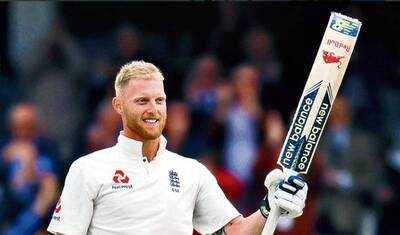
The cricket world briefly held its breath during the third Ashes Test in Adelaide when England captain Ben Stokes was struck by a sharp bouncer from Mitchell Starc. The delivery, clocked at nearly 145 km/h, hit the back of Stokes’ helmet as he tried to duck under it.
For a moment, millions watching were reminded of the shocking 2014 incident in which Australian batter Phil Hughes lost his life after being hit in a similar region by a short ball during a Sheffield Shield match. Hughes collapsed on the pitch and never recovered.
Stokes, however, remained on his feet and resumed batting after medical evaluation—a contrast that highlighted how far cricket safety has evolved in the past decade.
Improved helmet standards credited
Following Hughes’ death, the ICC made rear-protection neck guards mandatory for international players. These helmets are designed to cushion impact to the vulnerable area just below the skull.
Medical staff quickly conducted concussion tests on Stokes, asking memory- and response-based questions to ensure no neurological damage had occurred. After being cleared, he continued his innings.
Read more