In one of the most chilling fatalities in history, amountaineer was left dangling just within reach of his rescuers for days on the face of a perilous mountain.
Toni Kurz's formative years were moulded by the mountains that surrounded him in Bavaria, and it seemed only natural that he would make a career out of scaling these rocky landscapes. Born in 1913 in Berchtesgaden, Kurz turned climbing the steep Alpine cliffs into his way of life. Hisinnate talent for climbing was honed during his first apprenticeship as a metalworker at the tender age of sixteen.
This profession made him stronger and more precise - qualities that served him well when he joined the elite German mountain infantry in 1934, becoming disciplined and confident, according to Tranquil Kilimanjaro.
His partner in adventure was Andreas Hinterstoisser, and the two were inseparable. Together, they discovered new routes through the Alps, many of which remain popular tourist trails today.
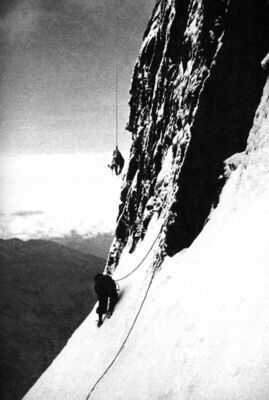
At the age of 23, Kurz and Hinterstoisser were drawn to the mountainside that would ultimately claim one climber's life. The North Face of the Eiger, or 'Die Mordwand' (the Murder Wall), became the next formidable challenge for the duo, who joined forces with Austrian climbers, Willy Angerer and Edi Rainer.
Despite being poorly equipped, the four experienced climbers arrived in Kleine Scheidegg, facing the daunting 1,800-metre drop before them.
The freezing limestone, collapsing icefields, avalanches, and rapidly forming storms all posed significant obstacles, and the wall had never been successfully scaled before.
In July, Hinterstoisser made history by executing a diagonal traverse across a smooth, polished wall - securing a rope so his partners could follow. This manoeuvre became known as the Hinterstoisser Traverse.
However, the team made a fatal mistake by removing the rope after crossing it, anticipating they would descend the mountain via a different route.
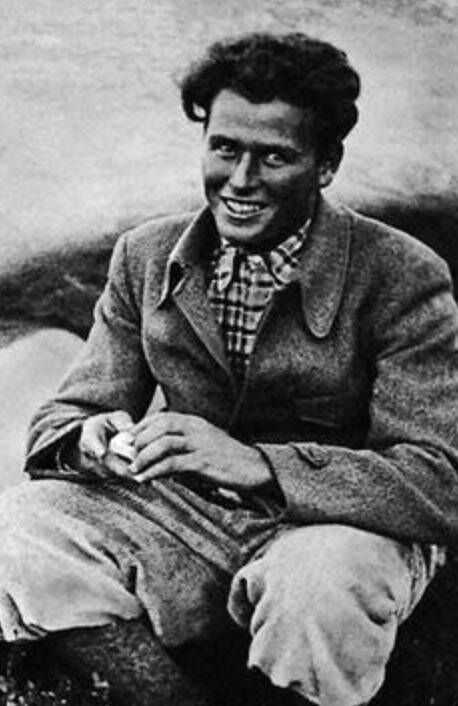
A storm then erupted, freezing the stone and whipping up fierce winds, which claimed the first casualty - Angerer - who was hit by falling rock, severely injuring his leg.
The team decided to retreat, but were horrified to discover the Hinterstoisser Traverse covered in verglas - a thin, lethal layer of ice formed from frozen rain. The storm intensified, trapping them. Hinterstoisser slipped and fell to his death.
Angerer, immobilised and critically injured, died from exposure. Rainer lost his balance while lowering Angerer to safety, resulting in both men's deaths.
Only Kurz remained. Villagers at nearby Kleine Scheidegg could see Kurz clinging to the murder wall, prompting Swiss guides Christian Almer Jr and Hans Schlunegger to attempt a rescue.
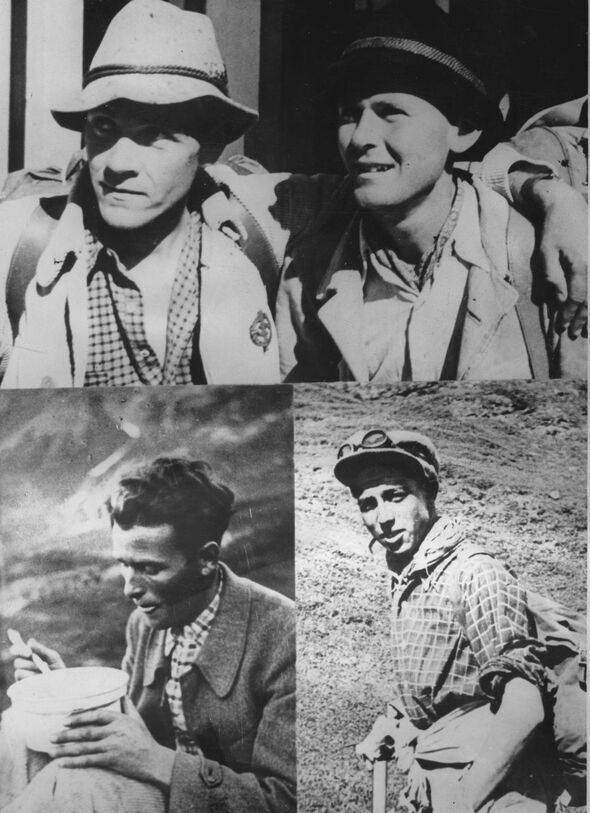
Kurz called out to them in the cold, explaining what had transpired, and his rescuers encouraged him to try descending. In a tragic turn of events, Kurz was forced to cut away the dead bodies and lower himself towards the duo as he succumbed to hypothermia.
After hours, one final horrifying twist of fate revealed itself. Now within reach of his rescuers, Kurz discovered his rope was too short.
Despite his best efforts, after two days on the wall, he spoke the unforgettable words: "I can't go on". Then, he fell silent. The catastrophe sent shockwaves across Europe and inspired Heinrich Harrer's 'The White Spider'. The four men are commemorated in various locations on the mountain; the Hinterstoisser Traverse, Rainer's Overhang, and Kurz's Last Stand.