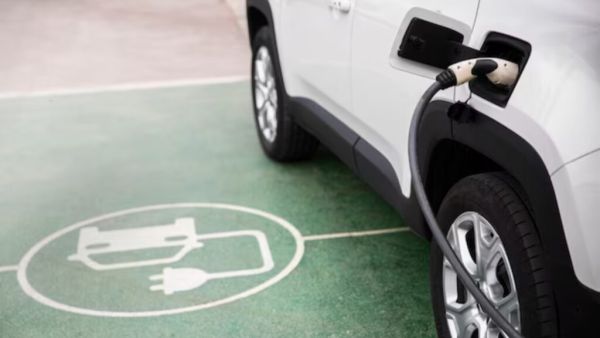
Electric Vehicle Safety: in india electric vehicles The popularity of is increasing rapidly. Due to rising prices of petrol and diesel, low running costs and better alternatives for the environment, now even middle and lower middle class families EV Are rapidly turning towards. However, as easy as buying an EV may seem, charging it properly is equally important. A small mistake in charging can not only reduce the life of the battery but can also increase serious safety risks like fire. In such a situation, it becomes very important to keep some important things in mind while charging the EV.
Use the right charger according to your EV
The first and most important condition for EV charging is choosing the right charger. Most electric cars and scooters in India support CCS2 charging plug, but still before charging, please check whether the charger is compatible with your vehicle or not. Super-fast chargers available on highways are very helpful during travel, but using them daily can be harmful for the battery. Fast charging produces more heat, which gradually weakens the battery cells. For everyday use, an AC charger installed at home is considered the safest and better option.
Why is it harmful to charge 100% every time?
Many people think that it is good to always keep the battery 100 percent charged, but the reality is the opposite. For daily driving, it is considered better to charge the EV battery up to about 80 percent. This reduces the pressure on the battery and increases its lifespan. Use 100 percent charge only on long trips when more range is needed.
Do not compromise with the quality of charging cable
While charging an EV, always use the company provided or BIS certified charging cable and plug. With cheap or local cables, the risk of short circuit and overheating increases manifold. Check the cable carefully at least once a week. If cuts, cracks or melting marks are seen, it is wise to replace the cable immediately. Always charge an EV in a dry and well-ventilated area, as the combination of water and electricity can be extremely dangerous. If you notice a burning smell, strange sound or excessive heat during charging, stop charging immediately and contact the service centre.
Smart charging is the real safety
It is not necessary to leave the EV on charge overnight every time. Scheduling charging with the help of mobile apps available nowadays is a more sensible way. With this, the battery is charged only as per requirement. Apart from this, it is necessary to get the EV serviced and checked every 10,000 kilometers, so that small technical problems are caught in time and major losses do not occur in the future.