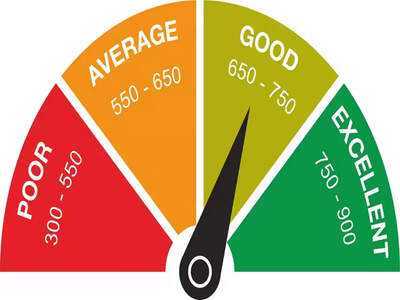
Your credit score plays a crucial role when seeking a loan, as it evaluates your capacity to repay borrowed funds. This score is derived from various factors, including your credit history and payment behavior. A common concern arises: what occurs to your CIBIL score if you fail to make a credit payment due to forgetfulness or lack of funds?
Consequences of Missing a Payment
Will Your CIBIL Score Drop?
If you miss a payment, whether due to forgetfulness or insufficient funds, your CIBIL score is likely to decline. A reduced score can hinder your ability to secure loans. Additionally, you may encounter various repercussions, including:
Late fees for missed credit card payments, which can accumulate daily.
Interest on your credit card is calculated based on your outstanding balance, which includes the principal, interest, and any late fees, leading to a higher total payment amount.
Even a slight delay of just one day or one week can result in increased interest charges.
Moreover, if you only make the minimum payment instead of settling the full balance, the accruing interest can become a substantial financial burden over time.
Tips for Enhancing Your CIBIL Score
Timely Payments:
Ensure that you pay your loans and credit card bills punctually. If you have any loans or use credit cards, make it a habit to pay your EMIs on time and settle your credit card bills before the due date. Late payments can incur additional charges. It's also wise to avoid maxing out your credit limit; aim to use only about 30% of it.
Avoid Defaulting:
If you have a joint loan with someone, be cautious not to default. Failing to repay on time can lead to significant financial repercussions and adversely affect your credit score.
Balancing Loan Types:
It's important to maintain a balance between secured loans (like car and home loans) and unsecured loans (such as personal loans and credit cards), as this balance also influences your CIBIL score. Consider these factors carefully when applying for loans.
Stay Informed
PC Social Media