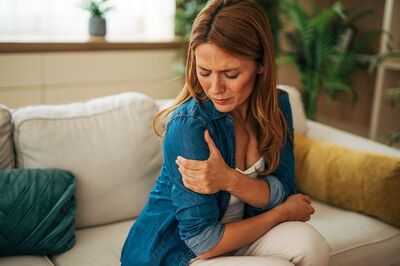
The NHS lists nerve pain in your right shoulder as a potential warning sign of liver cancer. Although the right shoulder and liver are not very close to each other in the body, cancer affecting this vital organ can sometimes trigger 'referred pain'.
Referred pain occurs when discomfort is felt in one part of your body, even though the source is elsewhere. This occurs because of the complex network within the body's nervous system. Common examples of referred pain include headaches stemming from neck problems and knee discomfort originating from hip issues.
Shoulder pain may point towards liver cancer, according to the latest guidance on the NHS website. When the liver becomes enlarged, it can press on nerves supplying the shoulder.
- HMRC private pension warning as Brits urged to 'think twice'
- Laurence Llewelyn-Bowen shares common paint colour to avoid — for ‘grey minimalist people’
A tumour or its progression can affect these nerves. This can lead your brain to register pain in the shoulder blade, even though the liver is the true source.
On the Cancer Research UK website, it says: "A swollen (enlarged) liver can cause pain in your right shoulder or back. This is because the enlarged liver stimulates nerves that connect to nerves in the shoulder. This is called referred pain... A swollen abdomen might cause discomfort or pain, and a loss of appetite or feeling full quickly. It can also cause breathlessness or swollen feet."
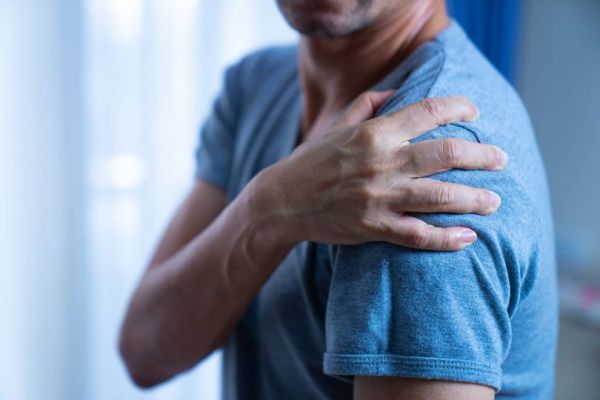
The charity says it can happen when the liver increases in size from the growing cancer, causing swelling on the right side of your abdomen. The cancer also increases pressure in the liver, causing blood to back up in the vessels (veins). This forces fluid out of the veins into the abdomen (ascites)
It adds: "The increased pressure in the veins can make them swell so they might be seen under the surface of your abdomen. Ascites can also develop when the liver isn’t making enough blood protein (albumin)."
The British Liver Trust describes liver disease as "a silent killer" and says "it’s on the increase". According to the latest figures, in the UK, there are more than 11,000 deaths due to liver disease each year. That’s more than 31 deaths a day. There has been a four-fold increase in death rates over the last 50 years
The Trust says: "Every year in the UK around 6,200 people die from liver cancer – that’s 17 people a day. Having liver disease is one of the main risk factors for liver cancer - 80 to 90% of people with hepatocellular carcinoma (HCC) have underlying cirrhosis, and around 30% of people with bile duct cancer have underlying liver disease."
Liver Cancer UK says: "Over the past decade, the number of people dying from liver cancer has risen the fastest out of all the 20 most common types of cancer in the UK." Read more liver cancer statistics on our Liver Cancer UK website.
It adds: "Liver cancer has one of the lowest survival rates of any cancer in the UK. Only 13% of people survive their liver cancer for five years or more. Only three in 10 liver cancer cases are diagnosed early at stages one or two. Because diagnoses of liver cancer normally happen so late, it has one of the lowest survival rates out of all cancer types."
The liver is a substantial organ situated in the upper right section of your belly. It performs a vital function in processing food and eliminating harmful substances.
Liver cancer can either begin in the liver directly (primary) or migrate from elsewhere in the body (secondary). How serious liver cancer is depends on where it sits within the liver, how large it is, whether it has spread, whether it's primary or secondary, and your general state of health.
Key signs of liver cancer
Liver cancer may occasionally present no symptoms, or its warning signs might be mild and tricky to spot. Whether the cancer starts in the liver itself (primary liver cancer) or has travelled from another part of the body (secondary liver cancer), the symptoms are generally alike.
If you're living with a liver complaint such as cirrhosis, ensure you tell your doctor about any fresh or deteriorating symptoms you notice. Signs of liver cancer may include:
- the whites of your eyes turning yellow or your skin turning yellow, which may be less obvious on brown or black skin (jaundice) – you may also have itchy skin, darker pee and paler poo than usual
- loss of appetite or losing weight without trying to
- feeling tired or having no energy
- feeling generally unwell or having symptoms like flu
- a lump in the right side of your tummy
Other symptoms can affect your digestion, such as:
- feeling or being sick
- pain at the top right side of your tummy or in your right shoulder
- symptoms of indigestion, such as feeling full very quickly when eating
- a very swollen tummy that is not related to when you eat
See a GP if you have:
- a lump in your tummy
- lost a lot of weight without trying
- symptoms of liver cancer that get worse or do not get better after two weeks
The NHS says: "Many of these symptoms are very common and can be caused by different conditions. Having them does not definitely mean you have liver cancer. But it's important to get them checked by a GP. This is because if they're caused by cancer, finding it early may mean it's easier to treat."
Cancer Research UK also stated: "See your GP if you have any of these symptoms. Remember, primary liver cancer isn't common in the UK, and these symptoms can be caused by other conditions. But it's important to get them checked by a doctor."
Who is more likely to get liver cancer
The NHS says: "Anyone can get primary liver cancer. It's not always clear what causes it". You might be more likely to get it if you:
- are over 60 – it's most common in people over 85
- are a man
- have certain medical conditions, such as hepatitis, liver cirrhosis, gallstones, diabetes, a parasite in the liver (liver flukes) or HIV
- have a brother, sister or parent who had primary liver cancer
Secondary liver cancer is caused by cancer cells from a cancer somewhere else in the body spreading to the liver. Many liver cancers are also linked to your lifestyle.
Lowering your risk of primary liver cancer
The NHS advises that whilst liver cancer cannot always be prevented, adopting healthier habits can reduce your likelihood of developing it. The NHS recommends:
try to lose weight if you're overweight
wear protective clothes and masks if you work in a job where you're exposed to harmful chemicals
try to cut down on alcohol – avoid drinking more than 14 units a week
try to quit smoking
Having any liver cancer symptoms examined by a GP is vital. Liver cancer can affect anyone, even if you believe you're not at increased risk.