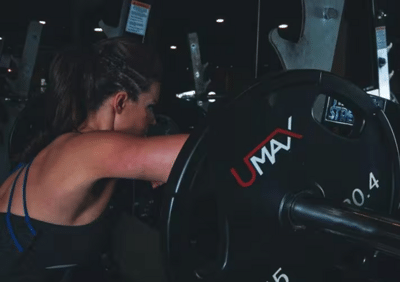

A Balanced Diet for Weight Loss: People work out to stay fit, but some people struggle with weight gain even after working out. Let us explain why.
Why do you gain weight after a workout?
Why Gaining Weight Even After Exercising: Every muscle in our body is designed for movement and function, so it also expends energy. About half a kilogram of muscle can burn approximately 7 to 10 calories daily, even at rest, while the same amount of fat burns only 2 to 3 calories. This is why fitness experts often recommend losing fat and gaining muscle.
Yet, many people complain that despite months of working out, they're not losing weight, but instead gaining weight. This is normal in the initial stages of starting a new exercise routine, as the body adjusts to the new routine. However, if you're gaining weight despite exercising regularly for a long time, there may be some underlying reasons that need to be addressed.
What is the reason?
According to a report by Lalpathlabs, there are several reasons for this, the primary one being increased muscle mass. When you transition from an inactive lifestyle to an active routine, your body undergoes changes. You may have lost some fat, but you may also have developed muscle. Since muscle is heavier than fat, your body may appear more toned, but your reading on the weighing machine may increase. The tendency to retain water in the initial weeks can also contribute to weight gain. There's no need to panic.
Food is also a reason.
Another major factor is diet. Many people eat junk food, thinking that sweating it out at the gym will balance everything out. However, losing weight is difficult without a balanced diet. Some smoothies or energy drinks consumed after a workout also contain a lot of sugar and excess calories. Some people eat less throughout the day and eat more at night, which disrupts calorie balance. Maintaining the right amount and balance is crucial.
Lack of sleep can also be the reason.
Lack of sleep can also cause weight gain. Experts agree that 7 to 9 hours of sleep daily is essential for the body. Not getting enough sleep increases fatigue, which can affect your gym routine and increase your cravings for unhealthy foods. Additionally, lack of sleep can imbalance hormones like ghrelin and leptin, resulting in an increased likelihood of overeating.
Workouts are also a problem.
Sometimes the problem lies in your workout routine. Just going to the gym isn't enough; you need to exercise properly and with adequate intensity. Simply walking or using the treadmill at the lowest setting won't yield the desired results. Incorporating cardio, strength training, and other exercises is essential for weight loss.