Heart blockages are becoming a very common problem for many people these days. When these blocks get worse, they can lead to a heart attack and even heart failure. A heart block happens when there's a problem with the heart's electrical system.
Heart blockages are a common issue today. If they worsen, they can cause a heart attack or even lead to heart failure. A heart block occurs when the heart's system gets damaged. This condition is also called Coronary Artery Disease, which affects the coronary arteries that supply blood to the heart.
When blood flow to the heart muscles becomes poor, it affects how the heart functions. A heart blockage is usually caused by the build-up of fat, cholesterol, and other substances on the artery walls. This process is known as atherosclerosis.
This plaque build-up makes the arteries narrow. A lack of blood flow to the heart usually causes the symptoms of this condition. When an artery gets completely blocked, it leads to a heart attack. The World Health Organization (WHO) states that heart-related diseases are the leading cause of death globally. Here are some key symptoms to watch out for if you have a heart blockage.
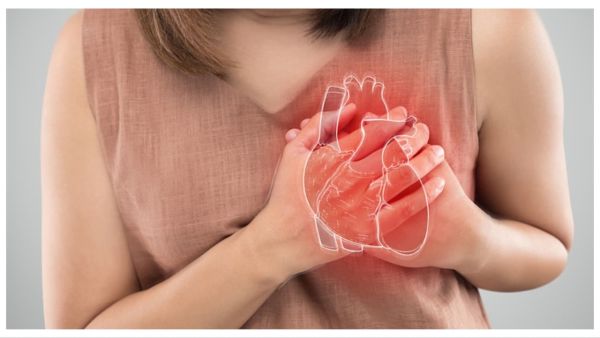
The first sign is often a feeling of pressure or a slight tightness in the chest. You should never take frequent chest pain lightly.

Another symptom is feeling breathless after climbing stairs or even while talking. This suggests that your heart is struggling to pump oxygen-rich blood effectively.

Feeling unusually tired without any clear reason, even after getting enough rest, could be due to a heart blockage. This happens when the heart can't meet the body's needs because the arteries are narrowed. This fatigue often gets worse during regular exercise and can affect your daily tasks.
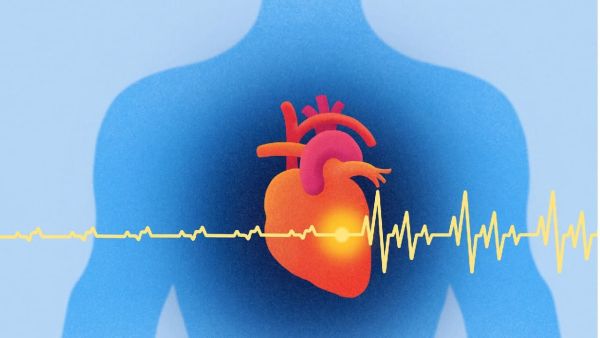
Besides chest pain, heavy sweating is one of the early symptoms of a heart attack. You might also feel weak and short of breath. Depending on the type and number of blocks, and if they are in major blood vessels, you may need an angioplasty or bypass surgery.
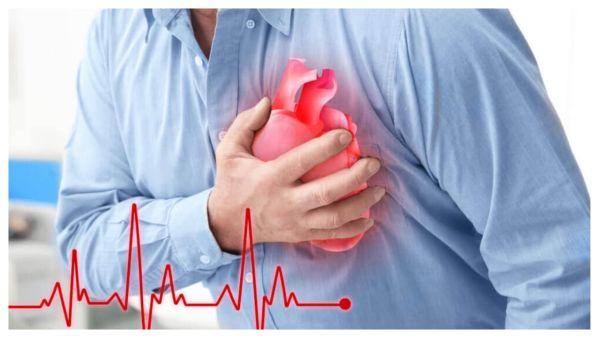
Unexplained nausea and indigestion might also signal a heart attack. While these symptoms seem like stomach problems, they can be related to the vagus nerve being activated due to ischemia. This often happens along with chest discomfort.
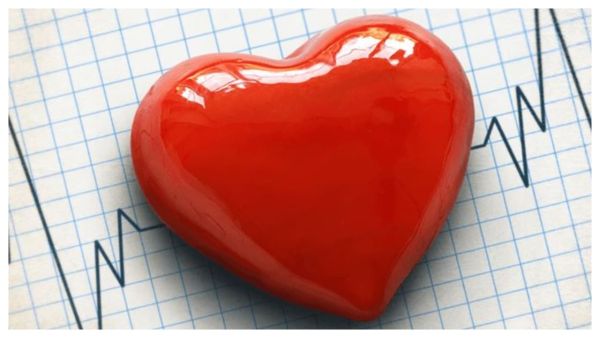
An irregular heartbeat is another major symptom. The heart might beat faster than normal (Tachycardia), slower (Bradycardia), or just out of rhythm. Key signs include a fluttering feeling in the chest, dizziness, shortness of breath, and fatigue.