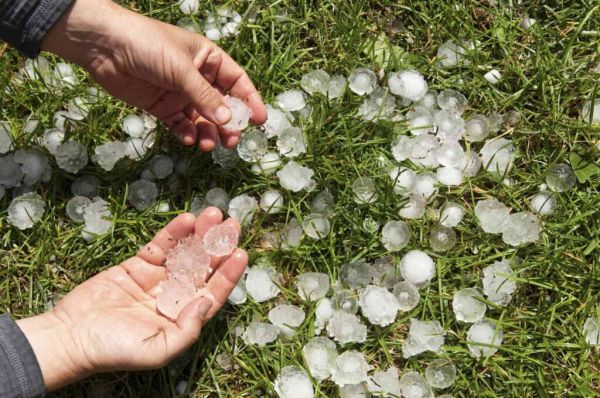
While hail may look like natural ice, experts warn it can pose serious health risks.
As sudden rainstorms bring relief from rising temperatures, hailstones often spark curiosity and even nostalgia, with many people tempted to taste them. However, health experts strongly advise against consuming hail, warning that it may do more harm than good.
Why Eating Hailstones Is Unsafe
Hailstones may appear clean and harmless, but their formation process makes them unsafe for consumption. They are not the same as clean, filtered ice used in drinking water.
Hail forms when water droplets freeze around tiny particles present in the air. These particles often include dust, pollutants, and chemical residues. As layers of ice build up around these particles, hailstones grow larger before eventually falling to the ground.
Because of this process, hailstones can carry contaminants that enter the body if consumed.
Health Risks You Should Know
Eating hailstones can expose the body to multiple risks:
- Pollution intake: Since hail forms around polluted particles, consuming it may introduce harmful substances into the body.
- Bacteria and dirt: Once hail hits the ground, it can pick up soil, bacteria, and other contaminants.
- Chemical exposure: Airborne chemicals and residues may be trapped inside hailstones.
- Physical injury: Larger hailstones can be hard and may damage teeth or cause minor injuries if bitten.
How Hail Differs From Drinking Ice
Unlike ice made at home or from purified water, hailstones do not meet basic safety standards for drinking water. Safe ice typically comes from filtered or boiled water, while hail originates in uncontrolled atmospheric conditions.
Experts note that drinkable substances must meet several safety parameters, which hail does not satisfy due to its polluted formation.
How Hailstones Form
Hail develops during strong storms when warm air pushes water vapor high into the atmosphere. In colder layers, this vapor freezes into small ice particles. These particles collide with water droplets and other ice fragments, growing larger with each cycle until they become heavy enough to fall to the ground.
Who Should Be More Careful
Children are especially at risk, as they may be more likely to pick up and eat hail during rainfall. It is important to discourage this habit to avoid potential health issues.
bottom line
Even though hailstones may look like natural ice and feel tempting during a storm, they are not safe to eat. The presence of pollutants, bacteria, and possible physical risks makes them unsuitable for consumption.