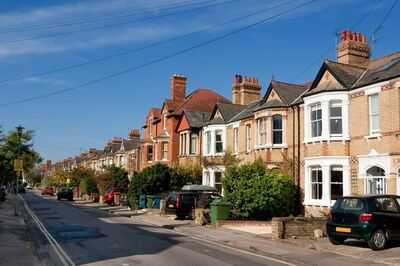
Homeowners across the country are being informed about a legal 'loophole' as many are set to embark on staycations and visit relatives this Easter bank holiday. The so-called 'loophole' effectively removes the power of police and local councils to remove a vehicle that's parked without permission on a private driveway.
Unauthorised parking on a private driveway is generally not classified as a criminal offence, but is instead regarded as trespass - a civil matter in the UK. This means neither the police nor the local council possess the legal authority to step in and remove the vehicle.
Because it is a civil matter, the police are unlikely to remove a vehicle parked on a private drive unless it is considered abandoned or dangerous. This is usually enforced by local councils through Penalty Charge Notices (PCNs).
Rule 243 of the Highway Code lists a dozen locations where parking is prohibited, such as near school entrances and bus stops, but makes no reference to parking on a private driveway. However, it does state that you must not stop or park "in front of an entrance to a property" or "where the kerb has been lowered to help wheelchair users and powered mobility vehicles".
The Highway Code says you shouldn't obstruct entrances to people's properties, but if a car is parked on private land, it's usually the homeowner's responsibility to pursue legal action if they wish to. Rule 243 is there to prevent "nuisance parking" on the road, reports the Mirror.
What can you do if your driveway is blocked? In such situations, experts strongly advise homeowners not to resort to self-help measures, such as attempting to move the car, as this could lead to prosecution for vandalism. The recommended course of action is to first attempt to resolve the issue through dialogue with the driver involved.
Check if the car is taxed or reported stolen. Speak with the vehicle owner politely. Consider hiring a private towing service (with caution, as you may be liable for damage).
If the problem persists, legal action may become necessary. A nuisance claim can be taken via civil court, but it is often slow and expensive.
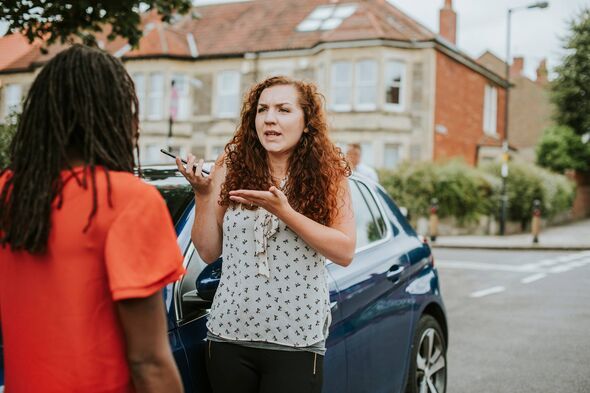
There are a few exceptions where authorities might step in; for instance, local councils may intervene if a vehicle is blocking a dropped kerb or impeding public access. If the vehicle is parked on a public road and is obstructing your driveway, the council or police may have the power to act.
The RAC states that the council has the authority to take action if a vehicle blocks a public road or driveway while parked on a public road. If a driveway is shared, a neighbour is not permitted to park in another resident's designated area. If unauthorised parking becomes a regular problem, homeowners can approach the driver, inform the local council or the police, or seek advice from Citizens Advice.
What can help prevent trespassers?To avoid dealing with the issue altogether, homeowners are taking proactive steps to limit access to their driveways. Common prevention methods include:
- Adding removable parking bollards, traffic cones, or barriers when they are away from home.
- Putting up clear 'no parking' or 'private driveway' signs to discourage unwanted vehicles.
- Installing driveway gates or cameras.