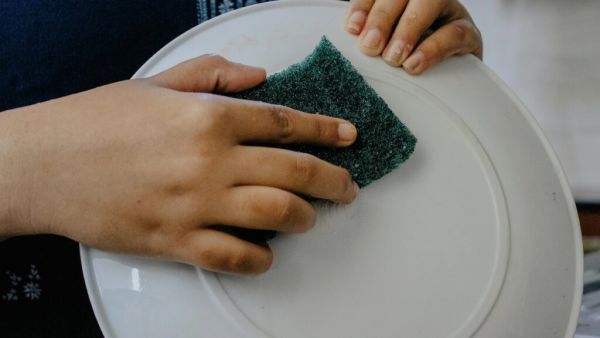
A kitchen sponge is one of the most used cleaning tools in any home, yet it is often ignored when it comes to hygiene. We use sponges daily to wash dishes, wipe countertops, clean spills, and remove food stains. Because they are constantly exposed to moisture, food particles, and grease, sponges can quickly become a breeding ground for bacteria and unpleasant smells. Many people continue using the same sponge for weeks without realizing that an old sponge may spread germs rather than remove them. Replacing your kitchen sponge regularly is a simple but important step towards maintaining a clean and healthy kitchen. Knowing when to replace it and recognizing early warning signs can help keep your kitchen safer and more hygienic.
When To Replace Your Kitchen Sponge
1. Replace Your Sponge Every One to Two Weeks
Most kitchen and hygiene experts suggest replacing your sponge every one to two weeks, depending on how often it is used. Sponges that are used several times a day collect bacteria faster and slowly lose their ability to clean properly. Regular replacement helps reduce the risk of spreading germs on dishes and surfaces.
2. A Bad Smell Is a Clear Warning Sign
If your sponge starts to smell sour or unpleasant, it is likely full of bacteria and trapped food particles. Even thorough rinsing cannot remove these germs. A smelly sponge should be thrown away immediately to avoid contaminating clean dishes and kitchen surfaces.
3. Visible Damage Means It’s Time for a New One
When a sponge begins to tear, crumble, or lose its shape, it can no longer clean effectively. Damaged sponges trap dirt more easily and become harder to rinse properly, making them less hygienic for everyday use.
4. Sanitizing Can Extend Sponge Life Briefly
You can reduce bacteria by soaking a sponge in hot water or heating it carefully in the microwave for a short time. However, sanitizing only works temporarily and does not replace the need for regular sponge replacement.
5. Use Different Sponges for Different Tasks
Using separate sponges for dishes, countertops, and heavy cleaning helps prevent cross-contamination. This habit keeps each sponge cleaner for longer and improves overall kitchen hygiene.
Replacing your kitchen sponge regularly is a small habit that makes a big difference in preventing bacteria build-up and keeping your kitchen clean, safe, and healthy every day.