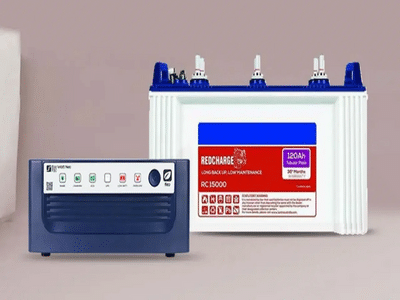
During the summer season, long power cuts can become a major problem, especially in many rural and semi-urban areas where electricity outages often last for hours. To manage these situations, millions of households depend on Inverter battery systems to keep lights, fans, and essential appliances running.
However, many users overlook one of the most important aspects of inverter maintenance — maintaining the correct water level inside the inverter battery. Experts warn that running an inverter battery with low water levels can seriously damage its internal components and significantly reduce its performance and lifespan.
Here’s why proper battery water maintenance is extremely important and what problems may occur if the water level drops too low.
Why Low Water Level Is Dangerous for an Inverter BatteryInside most inverter batteries, lead plates remain submerged in electrolyte solution. When the water level becomes too low, these lead plates get exposed to air.
This can trigger a harmful process called sulfation, where hard lead sulfate crystals begin forming on the battery plates.
As sulfation increases:
- Battery efficiency starts declining
- Charging performance weakens
- Backup duration reduces
- Internal heat increases
- Battery lifespan becomes shorter
If ignored for a long time, the damage may eventually become irreversible.
Major Problems Caused by Low Battery WaterExperts say insufficient water inside the inverter battery may lead to several serious issues.
Reduced Power BackupOne of the first signs of low water levels is shorter backup duration during power cuts. The inverter may stop supporting appliances much earlier than usual.
Slower ChargingThe battery may begin charging more slowly and struggle to hold power efficiently.
Overheating of Internal ComponentsLow water levels can increase internal heat generation, which puts additional stress on the battery’s components.
Damage to Lead PlatesWhen lead plates remain exposed, permanent damage can occur, affecting overall battery performance.
Reduced Battery EfficiencyThe inverter may become less reliable over time, with noticeable declines in charging and power output.
Complete Battery FailureIn severe cases, prolonged neglect can permanently damage the battery, leaving replacement as the only option.
Overheating Can Reduce Battery LifespanBattery overheating is one of the biggest risks associated with low water levels.
Continuous overheating may:
- Reduce battery lifespan
- Damage internal wiring and components
- Affect inverter performance
- Increase maintenance costs
Experts say summer temperatures already place extra pressure on inverter systems, making regular maintenance even more important during hot weather.
When Should You Add Water to an Inverter Battery?Regular inspection of battery water levels is considered essential for maintaining inverter performance.
Experts generally recommend checking the water level at least once every month.
Important Maintenance Tips- Regularly inspect the battery’s water level indicators
- Refill immediately if the level drops below the red mark
- Use only distilled water
- Never use regular tap water
- Consult a qualified electrician if unsure
Tap water contains minerals and impurities that may damage the battery internally and reduce its efficiency over time.
Why Distilled Water Is NecessaryDistilled water is specifically recommended because it is free from dissolved salts and impurities.
Using ordinary tap water may lead to:
- Corrosion
- Mineral deposits
- Reduced battery life
- Lower charging efficiency
Experts strongly advise avoiding untreated water under all circumstances.
Simple Maintenance Can Save Expensive RepairsMany people invest heavily in inverter systems but ignore routine maintenance until major problems appear.
Regularly checking water levels can help:
- Extend battery lifespan
- Improve backup performance
- Reduce overheating risk
- Prevent expensive replacements
- Maintain efficient charging
Experts say even a few minutes of monthly inspection can save users from major repair or replacement expenses later.
Summer Is the Most Important Time for Battery CareInverter batteries usually work harder during summer because of increased electricity consumption and frequent power cuts. High temperatures also increase water evaporation inside the battery.
Because of this, experts recommend paying extra attention to inverter maintenance during hot weather conditions.
Proper care, timely water refilling, and regular inspection can help keep the inverter running smoothly and efficiently for years.