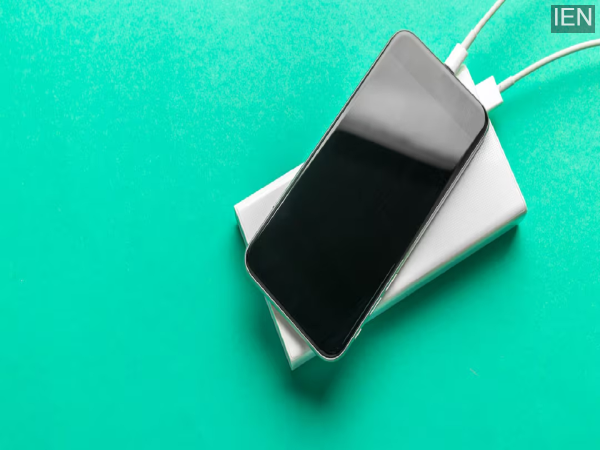
Wireless Charging and Wired Charging: What happens if you plug your phone in to charge using two methods at the same time? In such a scenario, the phone will prioritize wired charging. However, you should avoid doing this.
Wireless Charging and Wired Charging: Have you ever wondered what would happen if you placed your phone on a wireless charger while simultaneously connecting it to a wired charger? Some people might assume this would cause damage, while others might wonder if it would actually make the phone charge faster! Even if you haven't thought about this before—but are considering it now—you should refrain from doing so. In reality, a phone cannot charge via two different methods simultaneously. Let's explore what actually happens when you attempt this.
Can a Phone Charge Using Two Methods at Once?
A phone cannot be charged using two methods simultaneously. In fact, most phones prioritize wired charging. This means that if you connect your phone to a wired charger *after* placing it on a wireless charging pad, it will draw power exclusively from the wired charger. This occurs because wired chargers are generally faster and more efficient. Now, you might ask: how does the phone know to do this? Phones are equipped with internal power management circuitry. When this circuitry detects a wired connection, it disables the wireless charging coil. This prevents malfunctions within the internal components and protects the phone from overheating.
Attempting This Can Be Dangerous
Attempting to charge your phone using both a wired and a wireless charger simultaneously can be dangerous. It can generate excessive heat, which may damage the phone's battery. Therefore, you should avoid doing this. If you have both options available—wired and wireless charging—always choose the former. Wired charging is more efficient, allowing the battery to charge faster. It involves less energy loss and places less strain on the battery.
Why is heat generated during wireless charging?
The charging pad of a wireless charger contains a transmitter coil that generates a magnetic field using alternating current (AC). When a device is placed on this charging pad, its receiver coil converts the current into direct current (DC) and transfers it to the battery; however, during this process, not all of the charging pad's power output reaches the battery. Consequently, that excess power is converted into heat, which is why heat is generated during this charging process. Therefore, one should avoid relying on this as the primary method of charging.