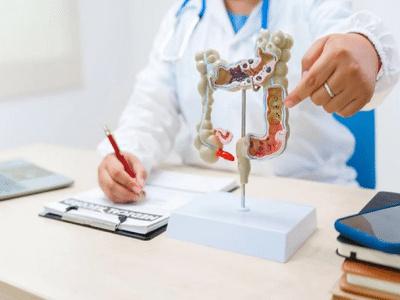
Cancer remains one of the most significant health challenges worldwide, affecting millions of people every year. Despite remarkable advances in medical science that have improved diagnosis and treatment options, experts continue to emphasize that prevention remains one of the most effective strategies in reducing the burden of this disease.
While not all cancers can be prevented, research shows that many cases are linked to lifestyle, environmental, and behavioral factors that can be modified. Making healthier choices today may help reduce the risk of developing certain types of cancer in the future while also improving overall well-being.
Here are some important preventive measures that health experts recommend to help lower cancer risk and support long-term health.
Avoid Tobacco and Limit Alcohol ConsumptionOne of the most effective ways to reduce cancer risk is to avoid tobacco products entirely.
Smoking and tobacco use have been strongly linked to several types of cancer, including:
- Lung cancer
- Oral cancer
- Throat cancer
- Esophageal cancer
- Bladder cancer
- Pancreatic cancer
Even exposure to secondhand smoke can increase health risks.
Excessive alcohol consumption has also been associated with an increased risk of various cancers, including cancers of the liver, mouth, throat, breast, and colon. Reducing or eliminating alcohol intake can contribute to better long-term health outcomes.
Stay Physically ActiveRegular physical activity offers numerous health benefits and may help lower the risk of several types of cancer.
Exercise helps:
- Maintain a healthy weight
- Improve immune function
- Reduce inflammation
- Support hormonal balance
- Enhance overall fitness
Health experts generally recommend engaging in moderate physical activity for at least 150 minutes per week or vigorous activity for 75 minutes weekly, depending on individual health conditions and fitness levels.
Simple activities such as walking, cycling, swimming, yoga, and strength training can contribute to a healthier lifestyle.
Maintain a Healthy WeightExcess body weight has been linked to an increased risk of several cancers.
Research suggests that obesity may be associated with higher risks of:
- Breast cancer (especially after menopause)
- Colorectal cancer
- Kidney cancer
- Endometrial cancer
- Esophageal cancer
Maintaining a healthy weight through balanced nutrition and regular exercise can help reduce these risks while also supporting heart health and metabolic function.
Follow a Nutritious and Balanced DietA healthy diet plays an important role in overall disease prevention.
Experts recommend:
- Eating plenty of fruits and vegetables
- Including whole grains in daily meals
- Choosing lean protein sources
- Limiting processed foods
- Reducing consumption of sugary beverages
- Avoiding excessive intake of processed and red meats
Many plant-based foods contain vitamins, minerals, antioxidants, and fiber that support overall health and may contribute to cancer prevention.
Get Recommended VaccinationsCertain infections can increase the risk of specific cancers. Vaccination can help provide protection against some of these preventable causes.
Hepatitis B VaccineChronic hepatitis B infection can increase the risk of liver cancer. Vaccination helps reduce the likelihood of infection and related complications.
HPV VaccineThe Human Papillomavirus (HPV) is associated with several cancers, including cervical cancer and certain cancers of the throat, anus, and genital areas. Receiving the HPV vaccine at the recommended age can significantly reduce these risks.
Consult a healthcare professional regarding eligibility and vaccination schedules.
Protect Yourself From Excessive Sun ExposureSkin cancer is among the most common forms of cancer worldwide.
To reduce the risk:
- Use sunscreen with appropriate SPF protection
- Wear protective clothing
- Seek shade during peak sunlight hours
- Avoid tanning beds
Taking precautions against harmful ultraviolet (UV) radiation can help protect skin health over the long term.
Prioritize Regular Health ScreeningsEarly detection is one of the most important factors in successful cancer treatment.
Routine screenings can help identify certain cancers before symptoms develop, often when treatment options are most effective.
Depending on age, gender, family history, and risk factors, healthcare providers may recommend screenings such as:
- Mammograms
- Cervical cancer screening
- Colon cancer screening
- Prostate health evaluations
- Skin examinations
Discussing screening recommendations with a healthcare professional can help determine the most appropriate schedule.
Manage Stress and Prioritize Overall WellnessWhile stress itself is not considered a direct cause of cancer, chronic stress can negatively affect overall health and influence lifestyle choices.
Maintaining emotional well-being through:
- Adequate sleep
- Mindfulness practices
- Social support
- Physical activity
- Healthy coping strategies
can contribute to better overall health and quality of life.
Small Steps Can Make a Big DifferenceCancer prevention is not about a single action but rather a combination of healthy habits practiced consistently over time. Avoiding tobacco, limiting alcohol, staying active, maintaining a healthy weight, eating nutritious foods, receiving recommended vaccines, and participating in regular health screenings can collectively help reduce cancer risk.
While no prevention strategy can guarantee complete protection, adopting these evidence-based measures may significantly improve long-term health and support a healthier future.
Disclaimer: This article is for informational purposes only and should not be considered medical advice. Consult a qualified healthcare professional for personalized recommendations regarding cancer prevention, screening, vaccination, and overall health management.