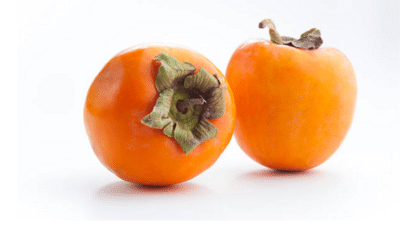
Persimmons are vibrant, sweet fruits packed with essential nutrients and health benefits. While the entire fruit is edible, certain parts contain higher concentrations of beneficial compounds. Persimmons are rich in fiber, vitamins, and antioxidants, making them a great addition to a healthy diet.
Do you throw away the skin of persimmon?
Among the different parts of the persimmon, the skin is considered the healthiest due to its high concentration of nutrients and bioactive compounds.
Persimmon's skin is full of powerful antioxidants such as flavonoids, carotenoids, and polyphenols. These compounds will fight oxidative stress, reduce inflammation, and help prevent damage in cells from free radicals. Carotenoids such as beta-carotene and lutein support eye health and decrease the risk of age-related macular degeneration.
Persimmon is a rich source of dietary fiber, which will help to aid digestion and promote a healthy gut. Fiber also helps in the prevention of constipation, maintenance of blood sugar levels, and promotion of satiety. Therefore, fiber is also essential for weight management. 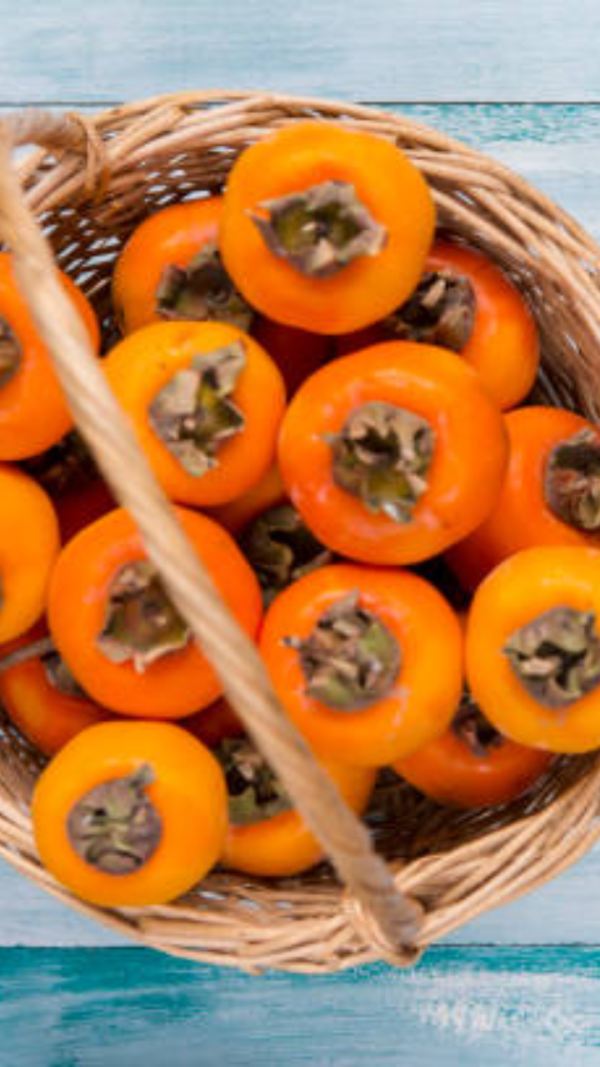
Persimmon skin contains flavonoids and tannins that help lower bad cholesterol (LDL), improve circulation of blood in the body, and decrease high blood pressure levels. Eating regular servings of persimmon peel contributes to decreasing risk for the onset of diseases affecting the heart.
The polyphenols found in the skin of persimmon exhibit strong anti-inflammatory properties, thereby reducing chronic inflammation associated with arthritis, diabetes, and heart diseases. Some compounds have been studied to have an anti-cancer effect, causing the inhibition of harmful cells from growing.
Other parts of the fruit that are equally healthy and delicious
The flesh: Persimmon flesh is soft, sweet, and nutrient-dense. It is rich in vitamin C, which enhances immunity, promotes collagen production, and accelerates wound healing. The flesh also provides potassium, an essential mineral that supports muscle function, nerve signaling, and electrolyte balance.
The seed: Persimmon seeds are not edible because they are hard and indigestible. However, in some cultures, they are roasted and ground for medicinal purposes. They contain trace amounts of beneficial compounds but do not match the nutritional density of the skin or flesh.
The leaves: Persimmon leaves are dried and used to make herbal tea. Persimmon leaves contain high levels of tannins, flavonoids, and vitamin C, which add other health benefits, such as improved digestion and enhanced immune function.